Now Reading: The Ultimate Guide to Face Rejuvenation: 5 Advanced Insights You Need to Know
-
01
The Ultimate Guide to Face Rejuvenation: 5 Advanced Insights You Need to Know

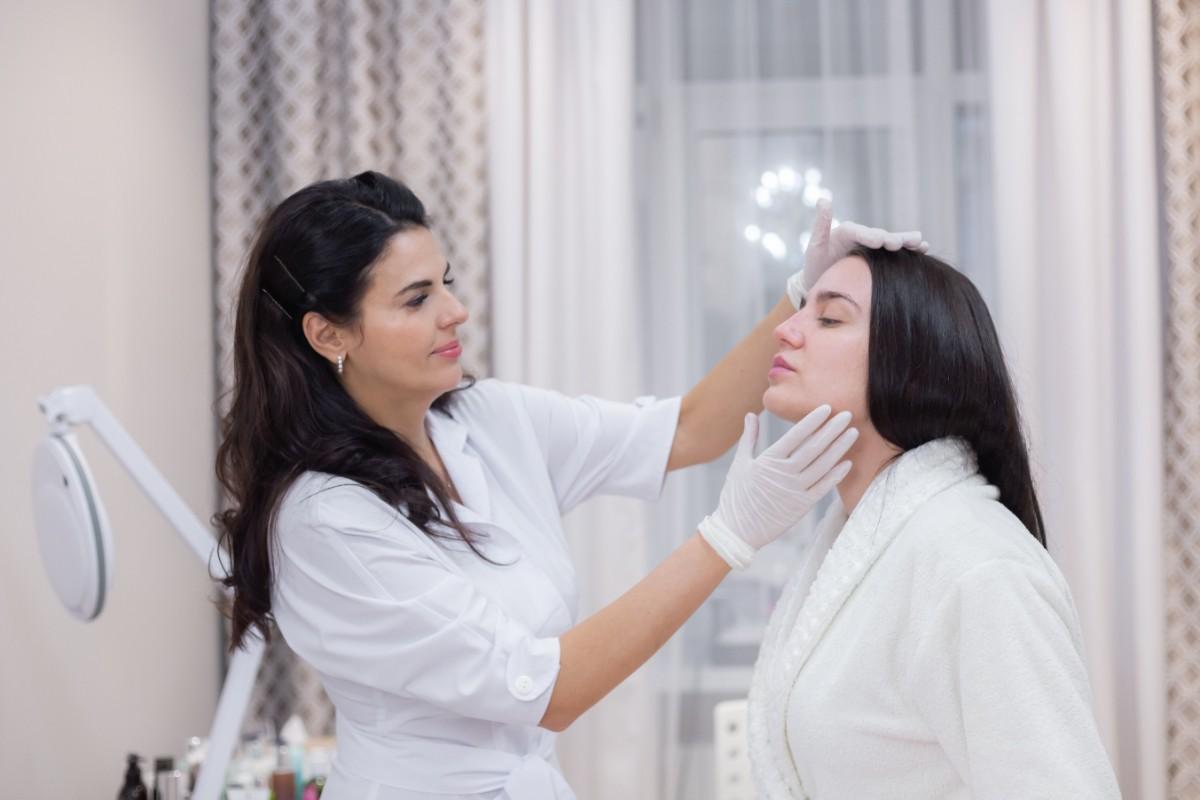
The pursuit of youthful, radiant skin has evolved significantly over the past decade. Gone are the days when invasive surgery was the only option for turning back the clock.
Today, there is a surging demand for advanced aesthetic treatments that offer significant results with minimal downtime.
As technology improves, more individuals are seeking ways to refresh their appearance, boost their confidence, and address specific skin concerns without going under the knife.
Whether you are looking to smooth out fine lines, correct pigmentation, or simply restore a healthy glow, understanding the landscape of modern aesthetics is the first step toward achieving your goals.
1. Non-Invasive Options Are More Powerful Than Ever
For those hesitant about needles or surgery, non-invasive treatments have become the gold standard for skin resurfacing and rejuvenation. These procedures primarily focus on the skin’s surface and the layers immediately beneath it to stimulate natural healing and collagen production.
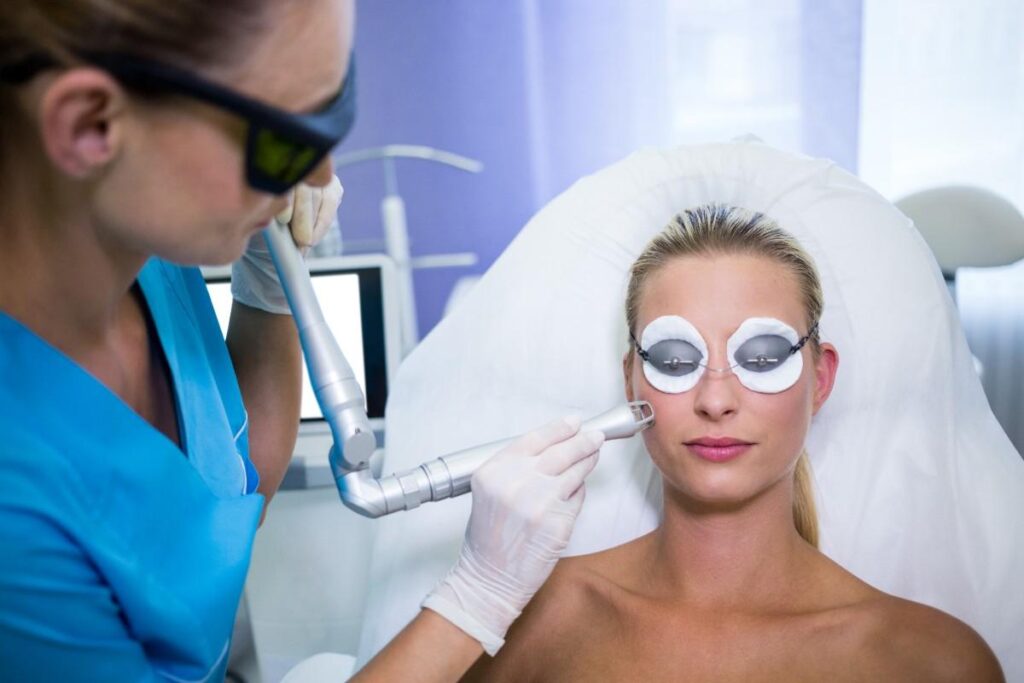
Laser Resurfacing: This technology uses concentrated beams of light to improve skin texture and appearance. Ablative lasers remove thin layers of skin, while non-ablative lasers stimulate collagen growth underneath.
Modern fractional lasers bridge the gap, treating only a fraction of the skin’s surface to speed up recovery while still delivering powerful results against wrinkles and scars.
Chemical Peels: Often underestimated, chemical peels remain one of the most effective ways to exfoliate and regenerate skin.
By applying a chemical solution, the top layers of the skin eventually peel off, revealing smoother, less wrinkled skin underneath.
From light glycolic peels that offer a quick glow to deep phenol peels that address severe sun damage, there is a spectrum of intensity available to suit different lifestyles and skin types.
2. Minimally Invasive Procedures Offer Subtle, Yet Impactful Change
If you are looking for structural improvement or volume restoration, minimally invasive procedures are often the next step up.
These treatments penetrate slightly deeper than non-invasive options but still avoid the risks associated with general anesthesia or large incisions.
Dermal Fillers: As we age, we naturally lose subcutaneous fat, which can make the facial muscles work closer to the skin surface, creating smile lines and crow’s feet. Dermal fillers, often made of hyaluronic acid, help to diminish facial lines and restore volume and fullness in the face. They are incredibly versatile, used for everything from plumping lips to defining jawlines and lifting cheeks.
Micro-needling: Also known as collagen induction therapy, this procedure involves using fine needles to create hundreds of tiny, invisible puncture wounds in the top layer of skin.
This might sound intimidating, but it is highly effective. The micro-injuries trigger the body’s natural wound-healing processes, resulting in cell turnover and increased collagen and elastin production, which are key to reversing signs of aging.
3. Customizing the Approach to Your Specific Skin Concerns
One of the greatest benefits of modern aesthetic medicine is the ability to tailor treatments to specific issues. There is no “one size fits all” approach; the best results come from matching the modality to the concern.
Texture and Tone: For rough texture, large pores, or dullness, chemical peels and micro-needling are often the top choices. They physically or chemically force the skin to renew itself.
Pigmentation and Redness: Laser treatments are generally superior for addressing sun spots, age spots, and vascular issues like rosacea. Specific wavelengths can target melanin or hemoglobin without damaging surrounding tissue.
Volume and Deep Lines: Dermal fillers are the champion for deep folds and loss of facial volume. They provide immediate gratification and can be contoured to look natural.
Fine Lines and Elasticity: A combination approach often works best here. Micro-needling combined with radiofrequency (RF) is a popular method for tightening lax skin and smoothing fine lines simultaneously.
4. Why Professional Expertise is Non-Negotiable
With the accessibility of medical spas and aesthetic clinics, it is crucial to remember that these are medical procedures requiring specialized knowledge.
The importance of consulting with a qualified professional cannot be overstated. An experienced practitioner understands facial anatomy, skin biology, and the intricate physics of laser devices.
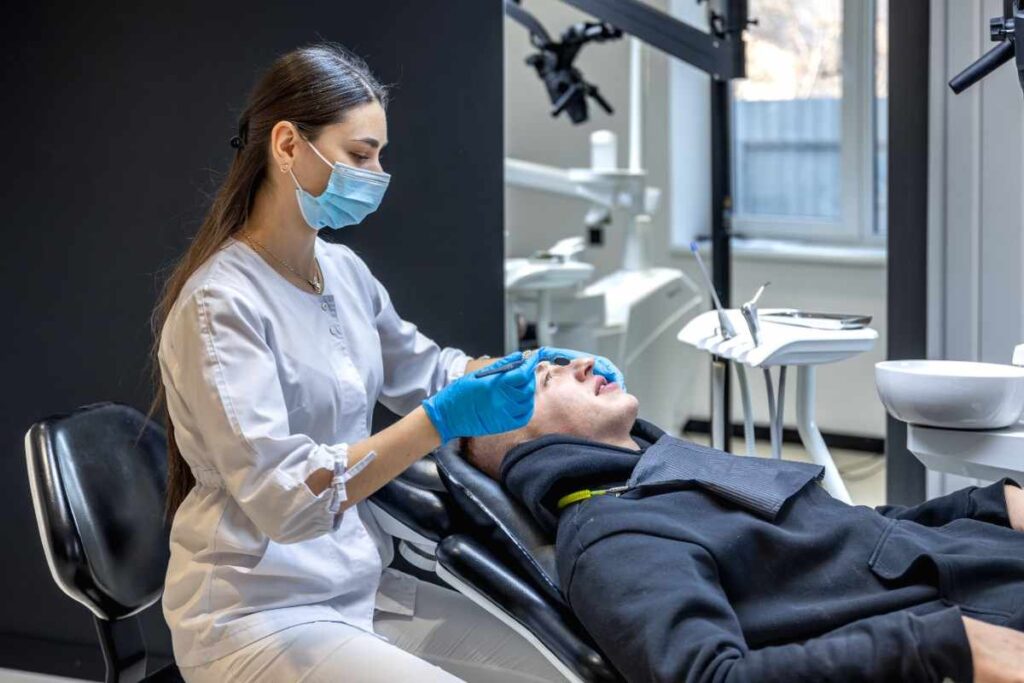
A qualified provider will conduct a thorough assessment of your medical history and aesthetic goals. They ensure that the chosen treatment is safe for your specific skin type and health condition.
Furthermore, many top-tier clinics take a holistic view of beauty and health. Just as one might seek a specialized program for medical weight loss Sandy, UT, seeking a specialist for facial rejuvenation ensures you are receiving care that considers your overall well-being and long-term results, rather than just a quick fix.
5. Understanding Results and Recovery Timelines
Managing expectations regarding downtime and results is essential for a positive experience. Each category of treatment comes with its own timeline.
Non-Invasive (Peels/Lasers): Light peels and non-ablative lasers typically have little to no downtime, often referred to as “lunchtime” procedures. You might experience minor redness for a few hours.
However, deeper peels or ablative lasers can require a recovery period ranging from 5 to 14 days as the skin peels and heals. Results from these deeper treatments are often dramatic and long-lasting.
Minimally Invasive (Fillers/Needling): Dermal fillers offer immediate results, though minor swelling or bruising can occur for a few days. Micro-needling usually leaves the skin looking like it has a mild sunburn for 24 to 48 hours. The true “glow” and skin tightening from collagen production typically become visible over several weeks following the treatment.
In the world of advanced aesthetics, patience is often a virtue. While some changes are instant, the most natural and enduring rejuvenation comes from stimulating the body’s own reparative processes. By understanding these treatments and partnering with the right experts, you can navigate the options confidently and achieve a refreshed, revitalized appearance.