
Now Reading: Hypackel: A Closer Look at Free Browser Gaming
-
01
Hypackel: A Closer Look at Free Browser Gaming

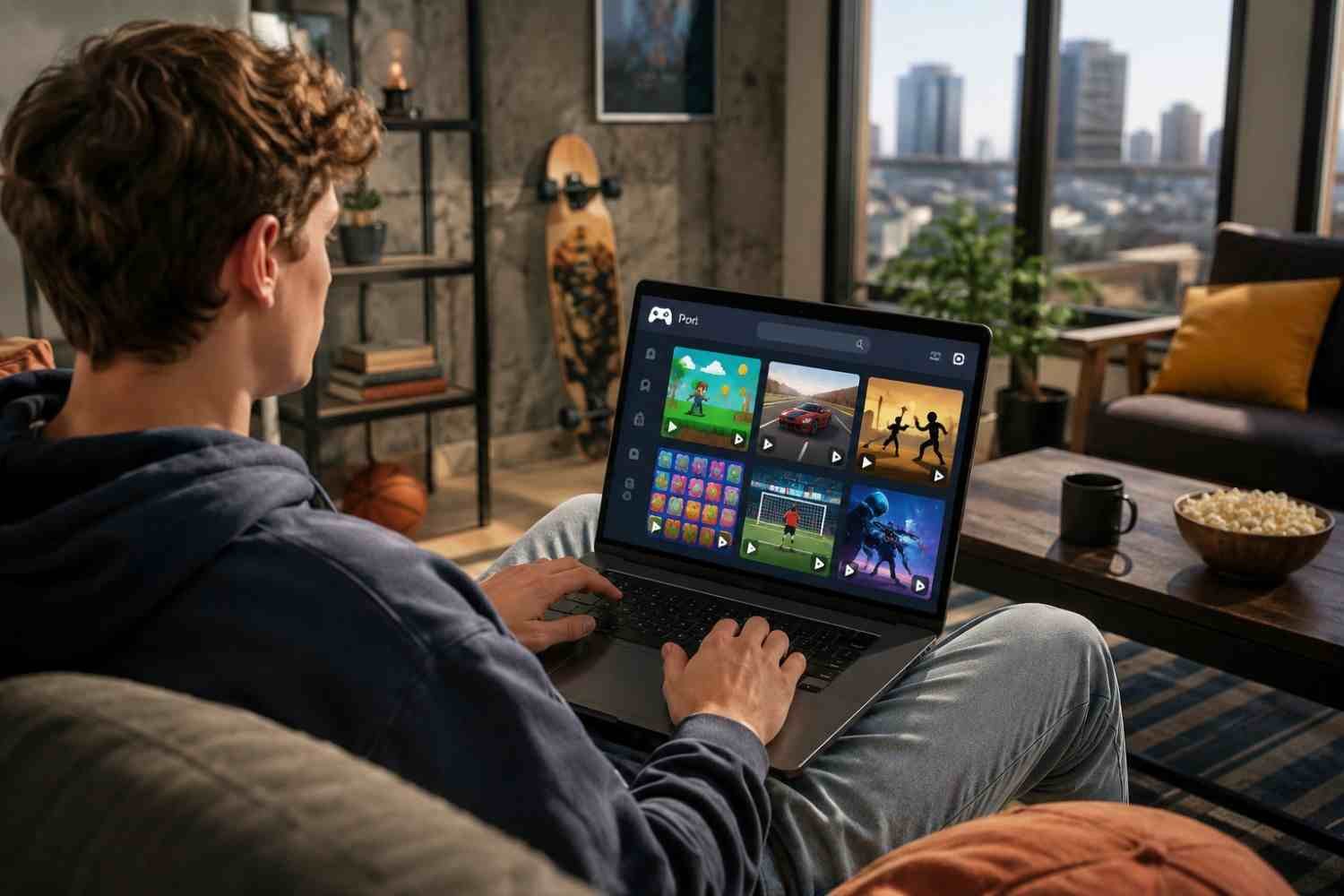
I’ve always liked browser games for one simple reason: they remove much of the ceremony around gaming. When I want something quick, I would rather open a tab, pick a game, and start playing than wait for an installation, update, or account setup. That small difference makes it easier to try something unfamiliar.
I also find that discovery works differently when games sit inside a browser. Instead of committing to one large download, I can sample different styles, move from a puzzle to an arcade game, or try something I would never have installed. That is where Hypackel fits a familiar style of online entertainment: quick access, broad choice, and fewer barriers between curiosity and gameplay.
What Is Hypackel?
Hypackel is presented as a free gaming discovery hub built around browser access. Its central appeal is straightforward: players can browse a large collection and launch games online without a conventional download or account-creation process. Available descriptions associate the platform with more than 400 games, including titles designed for mobile and web play.
That approach puts discovery at the center. Categories and game pages help narrow choices without requiring a large installation first.
How Free Browser Gaming Works
Browser gaming has changed substantially since the days when many web games depended on Flash. Modern titles can use technologies such as HTML5 and WebGL to deliver richer experiences directly through contemporary browsers, avoiding traditional installation.
With a platform such as Hypackel, the basic flow is simple. Open the site, browse or search for a title, select it, and allow the game to load. Depending on the game, controls may rely on a keyboard and mouse, touchscreen gestures, or both.
The biggest advantage is reduced friction. Players can test a game without reserving storage for a large package.
What Kinds of Games Can You Find?
A broad browser library can suit different moods. Puzzle games work well for a short mental challenge. Arcade games provide immediate action, while racing and action titles offer more movement and intensity. Casual games are useful when someone wants simple mechanics without a long learning curve.
Multiplayer and .io-style games add another dimension, particularly when the experience centers on quick matches or competition. A discovery hub becomes more useful when players can experiment rather than being locked into one genre.
A collection of hundreds of games also encourages discovery. Players can stumble across something unexpected instead of arriving with one specific title in mind.
Playing Across Desktop and Mobile
Browser games are convenient because the same basic format can work across laptops, desktops, phones, and tablets. A larger screen usually makes keyboard-and-mouse games easier to control, while touch-friendly titles can feel natural on a smartphone.
That flexibility has limits. Browser performance varies by device, browser version, available memory, and game complexity. A title that feels smooth on a newer laptop may behave differently on an older phone. Touch controls can also be less precise for games requiring fast reactions.
Why No-Download Gaming Still Works
The appeal of no-download games is easy to understand. People often have limited storage, limited time, or limited patience for another installation. Browser access removes several obstacles at once.
Current web-gaming research shows that convenience remains a significant part of the format’s appeal. Players use browser games during short breaks, alongside other media, and as a way to discover games before committing more time elsewhere.
Hypackel’s discovery-focused model therefore suits short sessions while leaving room for players to find something worth returning to.
What to Check Before Playing
Free access does not mean every online game page deserves automatic trust. A few basic habits can make browser gaming safer:
- Use a current, reputable browser and keep it updated.
- Be cautious if a page unexpectedly asks for an executable download, unusual extension, or sensitive information.
- Check the address before entering information.
- Pay attention to unexpected pop-ups, redirects, or permissions.
What Makes the Experience Worth Returning To?
A large catalog is helpful, but quantity alone does not create a good gaming experience. Players return when finding a game is easy, loading is reasonable, controls respond properly, and the game provides enough enjoyment for another session.
Modern browser gaming should not be dismissed as an outdated form of entertainment. Recent industry research points to strong engagement with web games and continued interest from developers in bringing mobile titles to browsers. The format has evolved with better browser technology, broader device support, and a stronger emphasis on instant discovery.
For Hypackel, the underlying idea is easy to understand: reduce the distance between seeing a game and actually playing it. When that process works smoothly, the browser becomes a practical gaming destination.
FAQs: Hypackel: A Closer Look at Free Browser Gaming
1. Is Hypackel free to use?
Hypackel is presented as a free gaming hub where games can be played through a browser. Individual games may have their own features or advertising arrangements, so experiences can vary.
2. Do you need an account to play Hypackel games?
Available descriptions indicate that Hypackel is designed for play without mandatory sign-ups. Users can browse and launch games without creating a traditional gaming account.
3. Can Hypackel games be played on phones?
Browser-based games can be accessed on smartphones when the individual title and browser support mobile controls. Touch-friendly games generally provide the most natural experience.
4. Does Hypackel require downloads?
The platform is promoted around browser-based play without traditional game downloads. If a page unexpectedly requests unrelated software, verify what you are being asked to install before proceeding.
Why Easy Access Keeps Browser Gaming Relevant
The strongest idea behind Hypackel is not really the number of games. It is the reduction of hesitation. When someone can browse a collection, click a title, and start playing without committing storage or creating another account, curiosity has a much easier path to action. That matters in a crowded entertainment environment where attention can disappear quickly. A browser gaming hub succeeds when it respects that reality while giving players enough variety to make discovery worthwhile.
Good browser gaming does not need to replace consoles, PCs, or mobile apps. It serves a different moment: the spare ten minutes, the quick experiment, or the unexpected game that becomes a favorite. That simplicity is its strength.












Pingback: Hypackel Games: What Players Should Know Before Playing