Now Reading: Skin Deep: Recognizing the Warning Signs of Skin Cancer
-
01
Skin Deep: Recognizing the Warning Signs of Skin Cancer

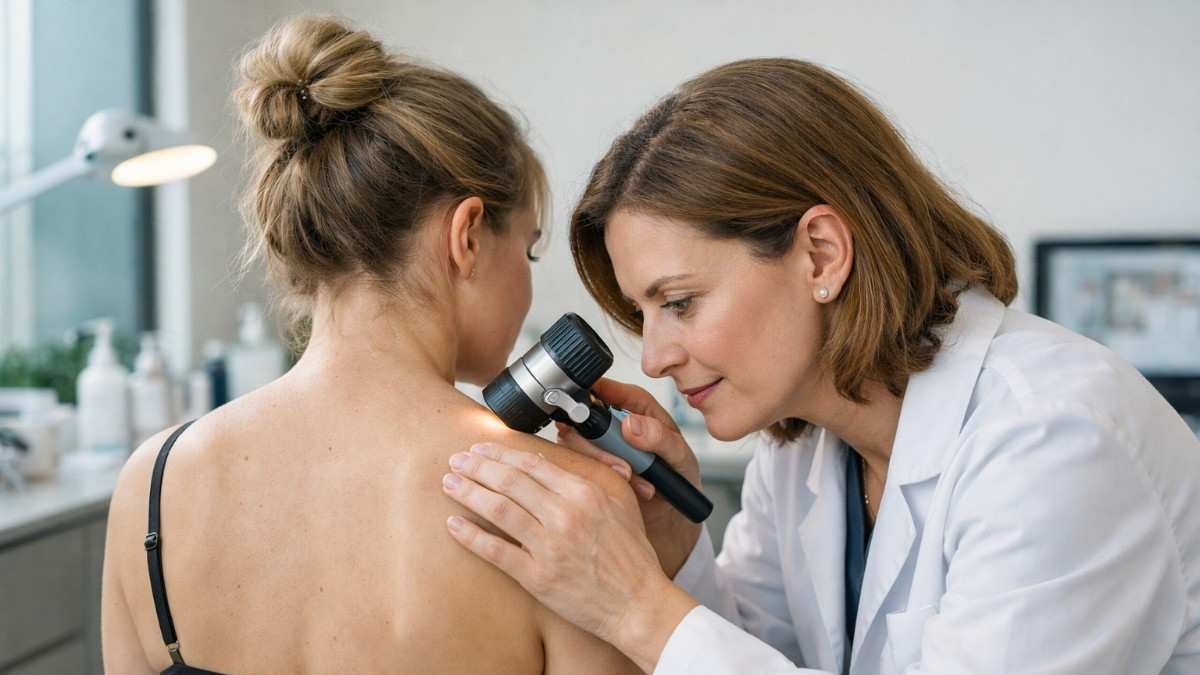
Skin cancer is the most common form of cancer in the United States, yet it’s also one of the most preventable when caught early. Awareness is key, and knowing the warning signs can save lives. Understanding what to look for allows you to take action promptly, whether that means adjusting your sun protection habits or scheduling a visit with a skin cancer dermatologist in Kaysville, UT.
Understanding Skin Cancer
Skin cancer occurs when skin cells begin to grow uncontrollably, often due to DNA damage from ultraviolet (UV) exposure. There are three primary types: basal cell carcinoma, squamous cell carcinoma, and melanoma. Basal cell and squamous cell cancers are more common and generally less aggressive, while melanoma is more likely to spread and can be life-threatening. Regardless of the type, early detection is crucial.
Common Warning Signs
While skin cancer can develop anywhere on the body, there are several warning signs that you can monitor through regular self-exams:
New or Unusual Growths
Any new mole, bump, or skin growth that wasn’t previously there should raise suspicion. Even small changes can indicate abnormal cell activity.
Changes in Existing Moles
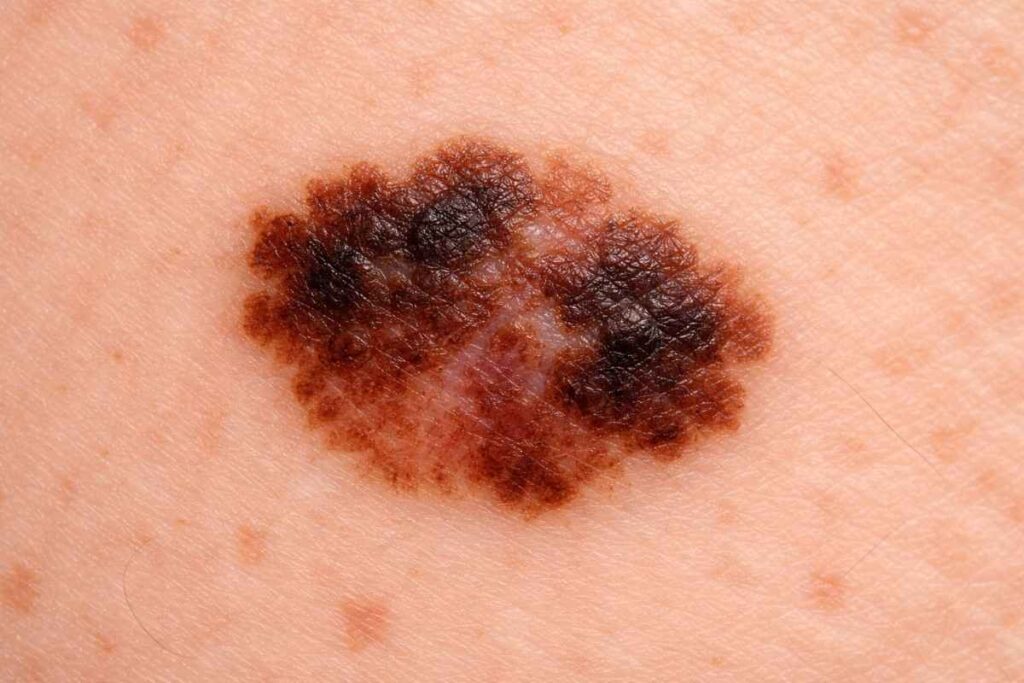
Moles that change in size, shape, or color should be examined. The ABCDE rule can help you identify suspicious moles:
- A – Asymmetry: One half doesn’t match the other
- B – Border: Irregular or poorly defined edges
- C – Color: Multiple shades or uneven coloring
- D – Diameter: Larger than 6mm (about the size of a pencil eraser)
- E – Evolving: Any change over time
Sores That Don’t Heal
Skin that develops a sore or lesion and doesn’t heal within a few weeks could indicate basal or squamous cell carcinoma.
Itching, Pain, or Tenderness
Unexplained irritation, tenderness, or pain in a particular area may signal abnormal skin growths or lesions.
Dark Streaks Under Nails
Dark or unusual streaks under fingernails or toenails could be a sign of melanoma and should be evaluated immediately.
Risk Factors to Keep in Mind
While anyone can develop skin cancer, certain factors increase your risk:
- Excessive sun exposure or tanning bed use
- Fair skin, light hair, and light eye color
- Family history of skin cancer
- A high number of moles or atypical moles
- Weak immune system
Understanding your personal risk factors can help you take preventive measures and remain vigilant for warning signs.
Prevention and Regular Checks
The best defense against skin cancer is prevention. Healthy habits also support glowing skin and early detection.. Follow these steps:

- Use Sunscreen: Apply broad-spectrum sunscreen with at least SPF 30 daily, even on cloudy days.
- Wear Protective Clothing: Hats, sunglasses, and long sleeves can shield your skin from harmful UV rays.
- Avoid Tanning Beds: They significantly increase your risk of skin cancer.
- Perform Self-Exams: Check your skin monthly for new or changing spots.
- See a Dermatologist: Regular professional skin checks are essential, especially if you have risk factors.
A skin cancer dermatologist in Kaysville, UT can provide comprehensive evaluations, remove suspicious lesions, and offer guidance on prevention tailored to your skin type and lifestyle.
When to Seek Professional Help
If you notice any unusual or changing skin growths, don’t wait. Early intervention dramatically improves outcomes. Even if a spot seems minor, a dermatologist can assess it and provide peace of mind—or treatment if necessary. Medication compounding may support personalized skin treatment options.
In Conclusion
Recognizing the warning signs of skin cancer is a vital part of maintaining your health. By staying vigilant, performing regular self-exams, and consulting a dermatologist when needed, you can catch potential problems early, when they are most treatable. Your skin is more than just a surface—it’s an indicator of overall health. Take care of it, pay attention to changes, and prioritize early detection.