Now Reading: Key Features to Consider When Upgrading Your Home Exterior
-
01
Key Features to Consider When Upgrading Your Home Exterior

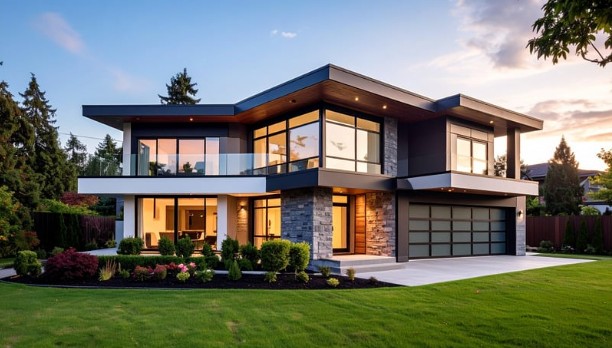
First impressions matter. Whether you’re planning to sell your home or simply want to enjoy it more, upgrading your home’s exterior is one of the smartest investments you can make. A well-maintained exterior doesn’t just boost curb appeal—it protects your home from weather damage, improves energy efficiency, and can significantly increase your property’s value.
Windows and Doors: Efficiency Meets Security
Your windows and doors do more than frame your home’s appearance. They regulate temperature, reduce noise, and play a major role in home security. Old or poorly fitted windows and doors are among the biggest sources of energy loss in a home—and the most overlooked.
When upgrading, look for windows with double or triple-pane glass and low-emissivity (Low-E) coatings, which minimize heat transfer without blocking natural light. These features can noticeably reduce heating and cooling costs throughout the year.
For homes in storm-prone regions, impact windows in Pembroke Pines, FL, are worth serious consideration. Designed to withstand high winds and flying debris, they offer an added layer of protection without compromising on style. Many homeowners in coastal or hurricane-risk areas find that the long-term savings on insurance and repairs more than justify the upfront investment.
Doors deserve equal attention. A solid entry door—whether fiberglass, steel, or wood—improves both insulation and security. Look for doors with multi-point locking systems and weather stripping that creates a tight seal. Sliding glass or French doors should also meet modern energy-efficiency standards, particularly if they face south or west and receive significant sun exposure.
Siding: Durability That Suits Your Climate
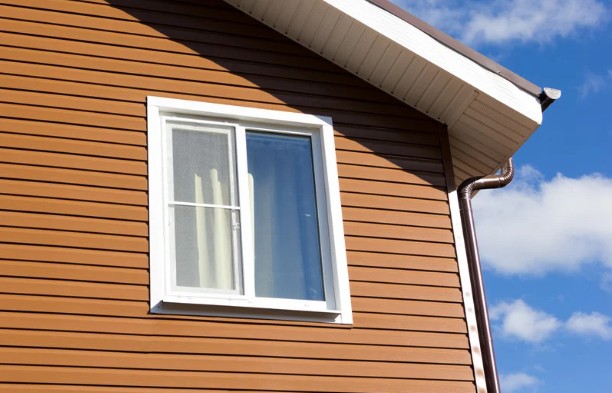
Siding is your home’s first line of defense against the elements, and not all materials perform equally in every environment.
Fiber cement siding has become a popular choice for its ability to resist moisture, rot, insects, and fire. It holds paint well and can be manufactured to mimic the look of wood, stone, or brick. For areas with high humidity or frequent rainfall, it’s a strong long-term option.
Vinyl siding offers affordability and low maintenance, and modern versions come in a wide range of colors and textures. While it can crack in extreme cold, high-quality vinyl holds up reasonably well in most climates.
Engineered wood siding strikes a balance between the natural aesthetic of real wood and improved durability. It’s lighter than fiber cement and easier to install, though it requires proper sealing to prevent moisture issues.
Whatever material you choose, pay close attention to installation quality. Even the best siding will underperform if it’s not properly fitted, caulked, and sealed. Ask contractors about moisture barriers and insulation backing, both of which can improve your home’s thermal performance while extending the life of the siding itself.
Roofing: Where Longevity Meets Style
Your roof handles more punishment than any other part of your home exterior—UV exposure, rain, wind, snow, and temperature swings throughout the year. A roofing upgrade is a significant investment, but choosing the right material upfront saves you considerably in future maintenance and repairs.
Architectural asphalt shingles remain the most widely used roofing material in North America. They’re cost-effective, available in a broad range of colors, and can last 25 to 30 years with proper care. Higher-end versions offer improved wind and impact resistance.
Metal roofing is gaining ground for good reason. With a lifespan of 40 to 70 years and excellent performance in both hot and cold climates, metal roofs offer exceptional long-term value. They reflect solar heat, which can lower cooling costs in warmer regions, and shed snow efficiently in colder ones.
Composite and synthetic roofing materials are worth exploring if you’re after the look of slate or wood shake without the weight or maintenance demands. These materials are engineered to replicate high-end aesthetics while offering greater durability and resistance to moss and algae.
Beyond material choice, consider the color of your roof carefully. Lighter shades reflect more heat and can reduce cooling loads in warm climates, while darker tones may be better suited to colder regions where solar heat gain is a benefit.
A good contractor will help you match the roofline to the overall style of your home for a cohesive finished look, especially when coordinating exterior upgrades where new windows can improve home comfort alongside roofing improvements.
Smart Lighting and Hardware: Security and Style Combined
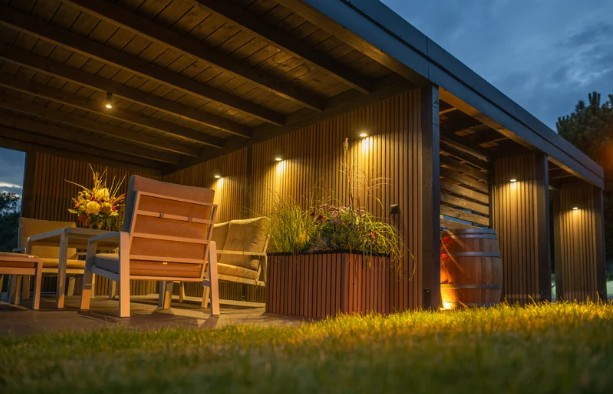
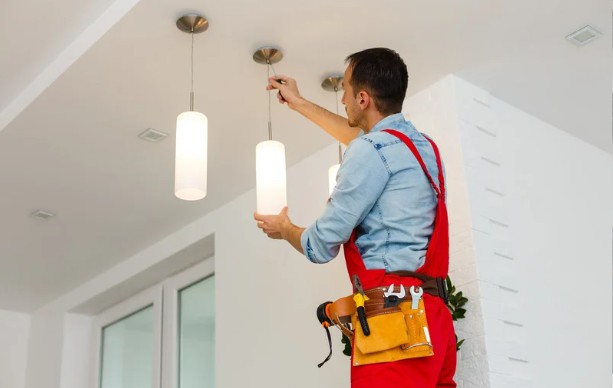
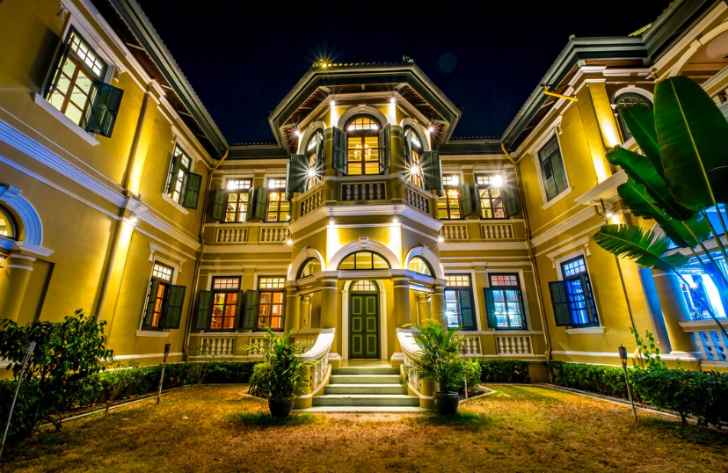
Exterior lighting is one of the most underestimated upgrades a homeowner can make. The right lighting transforms how your home looks at night, improves safety around walkways and driveways, and acts as a genuine deterrent to intruders.
Motion-sensor lighting around entry points, garages, and side passages provides both security and convenience. When combined with smart home systems, these lights can be controlled remotely, set to schedules, or triggered by activity detected through security cameras.
Pathway and landscape lighting adds dimension and warmth to your home’s exterior after dark. Solar-powered options have improved dramatically and work well in areas with consistent sunlight, reducing energy costs with no wiring required. This type of lighting is especially useful for highlighting features like garden paths, patios, or even access areas around a residential lift system for added visibility and safety.
Hardware upgrades—door handles, house numbers, mailboxes, exterior fixtures—may seem minor, but they contribute to a polished, cohesive look. Swapping out dated brass hardware for matte black or brushed nickel finishes is a low-cost update that can modernize a home’s exterior significantly.
When choosing lighting fixtures, prioritize weatherproofing ratings. Look for fixtures rated for wet locations, depending on their placement. Poorly rated fixtures deteriorate quickly and can become safety hazards.
Conclusion
Upgrading your home exterior is ultimately about protecting your investment and enjoying where you live. The upgrades that deliver the best return are those that combine durability, energy efficiency, and visual appeal—qualities that hold value whether you plan to stay for decades or sell in a few years.