Now Reading: Discovering the Benefits of Beef Organ Supplements
-
01
Discovering the Benefits of Beef Organ Supplements

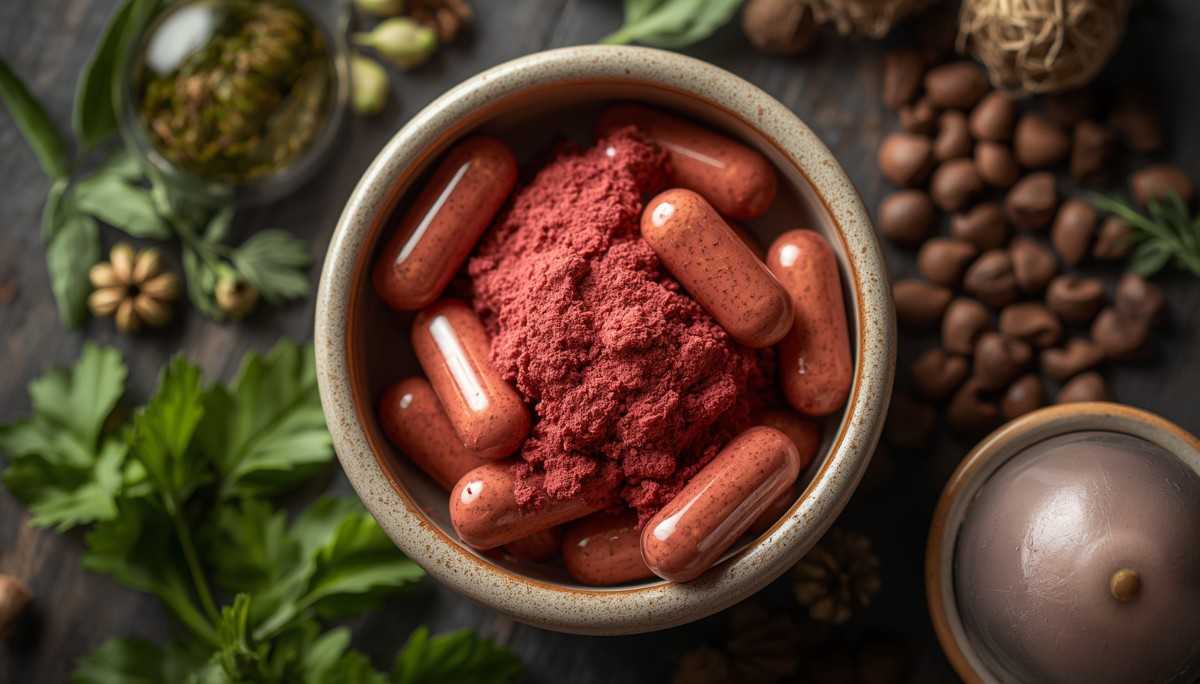
In recent years, beef organ supplements have gained attention as a nutritional addition to support overall health. Derived from nutrient-rich parts of the animal, these supplements offer a range of vitamins and minerals that can be challenging to obtain from standard diets.
Understanding Beef Organ Supplements
Beef organ supplements are derived from the internal organs of cattle, typically including liver, heart, kidney, and sometimes other organs such as spleen and pancreas. These supplements are usually dehydrated and powdered, designed to provide concentrated nutrients that native organs naturally contain.
The liver, for example, is known for its high vitamin A content, as well as a rich supply of B vitamins, iron, and copper. The heart provides CoQ10, an important antioxidant, together with B vitamins and trace minerals. Supplementing with these products may aid in bridging dietary gaps, especially for individuals with specific nutritional needs.
Nutritional Profile of Beef Organ Supplements
One of the primary reasons for consuming beef organ supplements is their nutrient density. Organs from beef are rich sources of vitamins such as A, B12, B6, riboflavin, and folate. They also contain essential minerals like iron, zinc, selenium, and copper. These nutrients work together to support key body functions including immune health, strong teethstrong teeth, energy metabolism, and cellular repair.
Notably, the bioavailability of nutrients in organ meats tends to be higher than that of synthetic vitamins or plant-based sources, making beef organ supplements a particularly effective way to obtain these vital compounds.
Potential Health Benefits
Regular consumption of beef organ supplements may support various aspects of health. Due to their rich vitamin and mineral content, these supplements can enhance energy levels, improve cognitive function, and support muscle health. The high iron content, particularly heme iron, can assist in preventing anaemia and improving oxygen transport in the body.
Additionally, antioxidants such as CoQ10 found in heart tissue may help protect cells from oxidative stress, potentially reducing the risk of chronic diseases. The vitamin A and zinc obtained from organ supplements contribute to maintaining healthy skin, vision, and immune response.
Supporting Specific Dietary Requirements
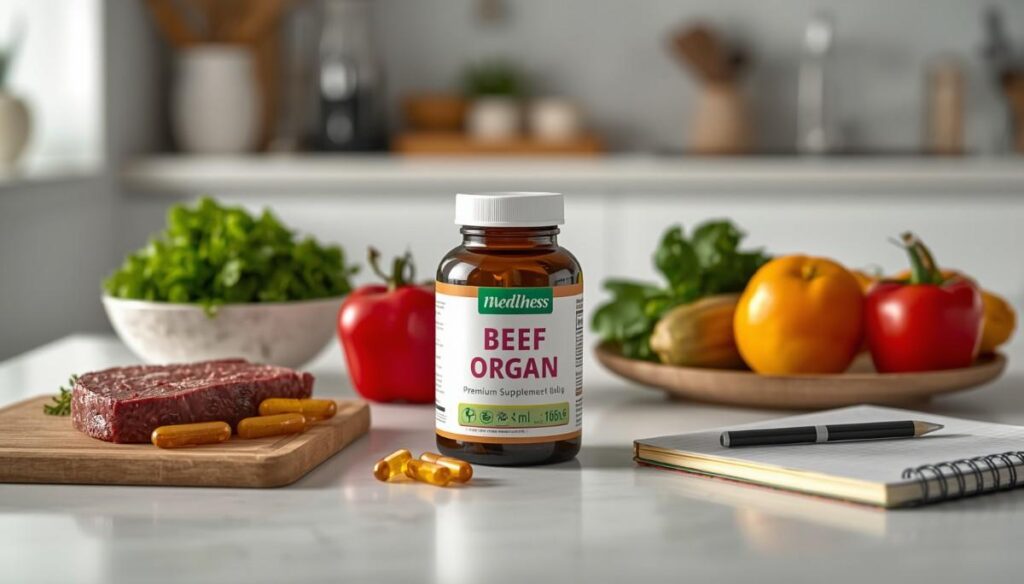
Beef organ supplements can be especially beneficial for those adhering to certain dietary practices such as paleo, ketogenic, or carnivore diets, where natural and nutrient-dense food sources are prioritised. These supplements allow individuals to consume organ nutrients without the need to prepare and consume whole organ meats, which some may find unappealing or inaccessible.
Those with increased nutrient demands, including pregnant women, athletes, and older adults, may also find these supplements advantageous for glowing skinadvantageous for glowing skin. They can offer a convenient method to support heightened physiological needs for nutrients like iron, B vitamins, and trace minerals essential for metabolism and recovery.
Considerations and Safety
While beef organ supplements provide numerous benefits, it is important to consider quality and sourcing. High-quality supplements come from animals raised without antibiotics or hormones and are processed to preserve nutrient integrity. Consumers should seek products that undergo rigorous testing for contaminants such as heavy metals or pathogens.
It is also important to consult healthcare professionals before incorporating these supplements into daily routines, particularly for individuals with pre-existing medical conditions or those on medication. Excessive intake of certain nutrients, such as vitamin A, can lead to toxicity if not managed properly.
Environmental and Ethical Aspects
Using beef organ supplements can align with sustainable consumption practices, as organ meats are often underutilised byproduct in conventional meat processing. Incorporating these parts into the diet reduces waste and honours the animal by using more parts of the animal responsibly.
However, ethical considerations remain regarding animal welfare and farming practices. Choosing supplements sourced from reputable farms that prioritise animal welfare and environmental stewardshipanimal welfare and environmental stewardship is recommended.
Incorporating Beef Organ Supplements into a Balanced Diet

To gain maximum benefit from beef organ supplements, they should be integrated as part of a balanced and varied diet. These supplements can complement other nutrient sources, including fruits, vegetables, whole grains, and lean proteins. Regular monitoring of nutritional status can help ensure that supplementation meets but does not exceed individual requirements.
Different forms of supplements such as capsules, powders, or tablets allow flexibility in consumption. Powders can be added to smoothies, soups, or other dishes, making nutrient intake seamless and convenient.
Scientific Research and Future Outlook
While traditional diets have long recognised the value of organ meats, modern scientific research is progressively elucidating the specific benefits and mechanisms by which these nutrients aid health. Emerging studies on the impacts of organ supplementation on longevity, immune function, and metabolic health are promising.
Further clinical trials and scientific validation will assist in better understanding optimal doses, potential risks, and populations that would benefit most from these supplements.
Choosing the Right Beef Organ Supplement
Selecting a product requires attention to various factors, including transparency of ingredient sourcing, manufacturing practices, and third-party testing. Reputable brands provide clear labelling, batch information, and certifications ensuring the product’s purity and potency.
Consumers should also check for any added fillers, allergens, or artificial additives that might affect individual sensitivities. Seeking out reviews and expert recommendations can further aid in making an informed choice.
Conclusion
Beef organ supplements represent a nutrient-dense option that can support a range of health benefits due to their rich content of essential vitamins and minerals. When sourced responsibly and consumed appropriately, these supplements can complement dietary intake and contribute to overall well-being.
Exploring products such as beef organ supplements offers a practical approach to accessing the nutritional advantages of organ meats without the need for direct consumption. As with all supplements, professional guidance and an informed approach will ensure safe and effective integration into a health-focused lifestyle.