Now Reading: Maximizing Plant Growth with Greenhouses
-
01
Maximizing Plant Growth with Greenhouses

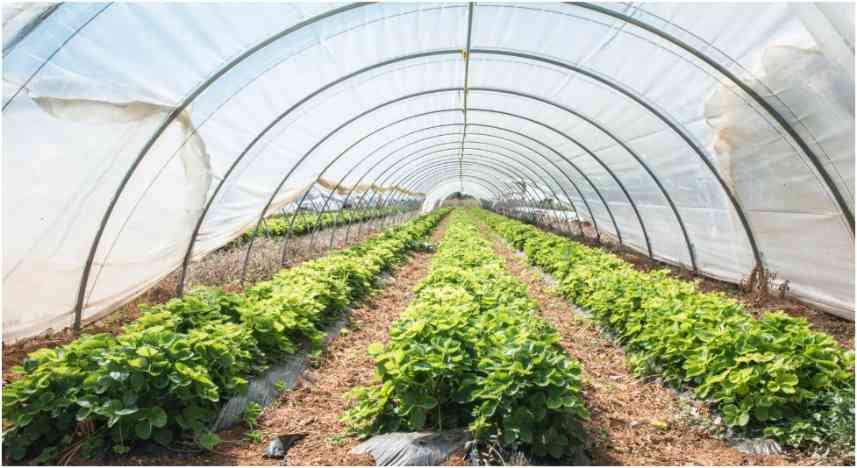
Greenhouses have become essential tools for gardeners, farmers, and horticulturalists aiming to optimise plant growth. By providing a controlled environment, greenhouses extend the growing season, protect plants from adverse weather, and improve yield quality. Understanding how to maximise plant growth within these structures is important for anyone looking to enhance productivity effectively.
The Role of a Greenhouse in Plant Growth
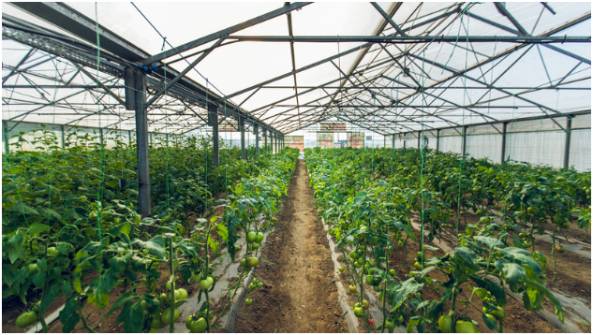
A greenhouse functions by creating a stable microclimate for plants, regulating temperature, humidity, and light exposure. It acts as a shield against external environmental stressors such as frost, wind, and heavy rain. This controlled setting allows plants to grow in optimal conditions regardless of external weather fluctuations, thereby promoting healthy development.
Temperature Control and Its Impact
One of the primary benefits of greenhouses is temperature regulation. Plants often require specific temperature ranges to carry out photosynthesis and metabolic activities efficiently. By trapping solar radiation, a greenhouse maintains warmer temperatures during colder months, which can prevent plant stress caused by temperature extremes.
Moreover, advanced ventilation systems can prevent overheating during summer, thereby ensuring plants do not suffer from heat stress. Proper temperature management within a greenhouse enhances growth rates and supports robust plant health.
Humidity and Moisture Management
Humidity levels inside a greenhouse are generally higher compared to open environments due to reduced air circulation and soil moisture evaporation. Many plants thrive in these conditions because consistent humidity reduces water loss through transpiration. However, it is crucial to monitor humidity carefully since excessive moisture can lead to fungal diseases and mould.
Incorporating adequate ventilation every new entrepreneur should know before starting out and using dehumidifiers where necessary helps maintain optimal humidity and prevents common greenhouse pests and diseases.
Light Exposure and Photoperiod
Light is vital for photosynthesis, and greenhouses maximise natural sunlight availability. The transparent materials used in greenhouse construction, such as glass or polycarbonate, allow sufficient light penetration while providing protection from ultraviolet radiation.
For plants with specific light requirements, supplemental lighting can be installed to extend daylight exposure or provide additional wavelengths optimal for growth. Controlling the photoperiod through adjustable lighting schedules facilitates flowering and fruiting at intended times.
Benefits of Using Greenhouses for Different Plants
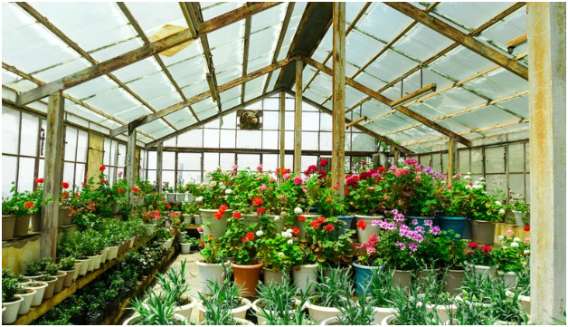
Greenhouses accommodate a wide variety of plants, including vegetables, herbs, flowers, and exotic species that may not be native to a region. For instance, tomatoes, peppers, and cucumbers tend to perform exceptionally well within greenhouses due to the warm, stable conditions.
Herbs such as basil and mint also benefit from greenhouse cultivation due to the consistent temperature and humidity. Additionally, ornamental plants sensitive to frost, such as orchids and certain perennials, thrive when grown in these controlled environments.
Extended Growing Seasons
Growing seasons in outdoor conditions are often limited by temperature and light availability. A greenhouse overcomes these constraints, enabling year-round cultivation. This is particularly advantageous for commercial growers who need to meet market demand continuously.
By extending the growing season, greenhouses reduce downtime and increase crop cycles, thereby maximising productivity and profitability.
Pest and Disease Management
Although greenhouses provide a protective barrier, pests and diseases can still infiltrate the environment. However, the enclosed nature of greenhouses allows better control through physical barriers such as insect screens and by maintaining cleanliness.
Integrated pest management strategies are easier to implement in a greenhouse because pests can be detected early and controlled before spreading. Environment control also contributes to reducing fungal diseases by regulating humidity and airflow.
Design Considerations for Maximising Growth
The architecture and materials used in greenhouse construction significantly impact the growing environment. Choosing the correct size, shape, and covering materials ensures sufficient airflow, sunlight entry, and temperature regulation.
A well-designed greenhouse should also consider ease of access for maintenance and harvesting, and not considering these could be the reason why your vegetable garden isn’t thriving. Automated systems for irrigation, shading, and climate control can further improve plant growth by providing consistent and efficient environmental management.
Choosing the Right Type of Greenhouse
There are various types of greenhouses, including lean-to, freestanding, and hoop-style structures. Each type offers distinct advantages depending on the available space, budget, and cropping requirements.
For instance, a lean-to greenhouse attached to an existing building utilises residual heat, which can lower heating costs. Freestanding greenhouses offer more space and flexibility in layout but may require additional heating solutions.
Location and Orientation
The placement of a greenhouse affects its performance. Ideally, it should receive maximum sunlight, preferably with a north to south orientation for even light distribution throughout the day. Avoiding shaded areas ensures plants receive optimal light for photosynthesis.
Additionally, situating the greenhouse in a sheltered location reduces exposure to strong winds, further stabilising internal temperatures.
Essential Practices for Healthy Plant Growth
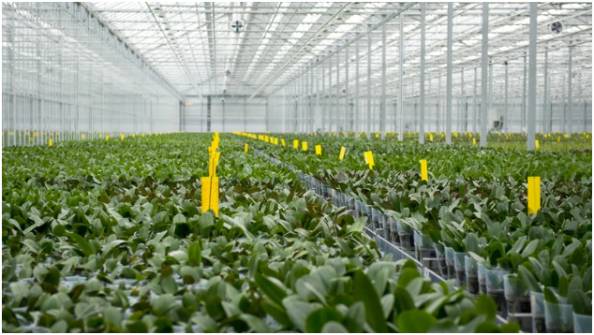
Beyond the structure itself, successful greenhouse cultivation depends on routine management practices such as soil preparation, watering schedules, and nutrient application. Regular monitoring of plant health and environmental conditions is essential to promptly address any issues.
Utilising quality growing media and applying appropriate fertilisers supports vigorous root development and nutrient uptake. Efficient irrigation methods, such as drip systems, minimise water waste and provide consistent moisture levels tailored to species requirements.
Utilising Technology for Enhanced Control
Advancements in technology have introduced automated systems that regulate temperature, humidity, lighting, and irrigation, enabling precise control over the growing environment. Climate control software can adjust settings based on real-time sensor data, optimising conditions to match plant needs perfectly.
This technology reduces manual labour and improves consistency in plant growth conditions, which is especially valuable for commercial greenhouse operations.
Benefits of Professional Greenhouses
Investing in professionally built greenhouses ensures access to high-quality materials and designs tailored for efficiency and durability. Professional suppliers provide expert advice on selecting features that suit specific crops and climates, boosting overall productivity.
Additionally, professional greenhouses often incorporate industry standards for ventilation, insulation, and pest management, delivering an optimal environment for plant growth.
Conclusion
Maximising plant growth through greenhouses requires understanding and managing the environmental factors that influence development. From temperature and humidity regulation to light management and disease control, greenhouses offer numerous advantages that can significantly enhance plant productivity.
Careful design, location selection, and adoption of modern technologies increase efficiency and allow for extended growing seasons. Whether for hobbyists or commercial growers, using greenhouses represents a strategic investment in achieving healthier plants and better yields.