Now Reading: Essential Guide to Choosing the Right Winch Rope
-
01
Essential Guide to Choosing the Right Winch Rope

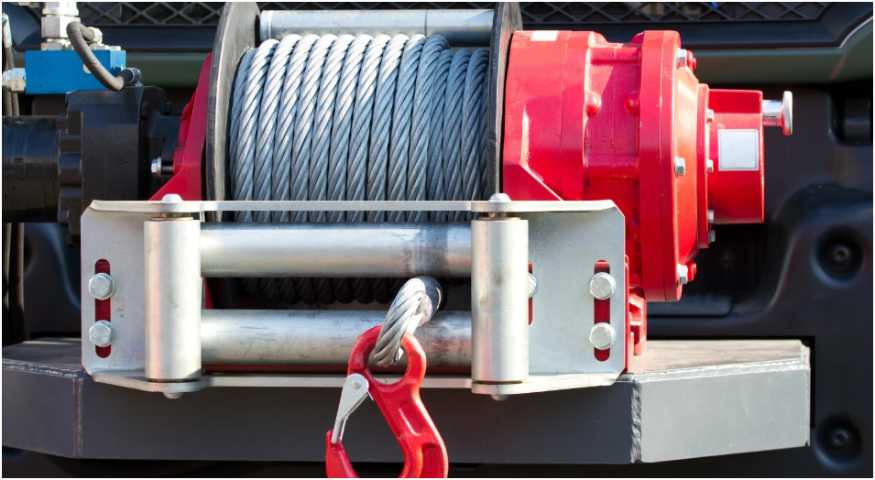
Selecting the appropriate winch rope is a critical decision for anyone involved in activities that require towing, pulling, or lifting heavy objects. Whether for industrial, automotive, or recreational use, the right winch rope ensures safety, durability, and performance.
This guide provides a comprehensive overview of factors to consider when choosing a winch rope, highlighting the significance of material types, strengths, and applications.
Understanding Winch Ropes
A winch rope is a strong, flexible cord designed to attach to winches and enable heavy loads to be dragged or hoisted. Winch ropes have replaced traditional steel cables in many cases due to their benefits, including lighter weight, easier handling, and resistance to kinking and rust.
Types of Winch Rope Materials
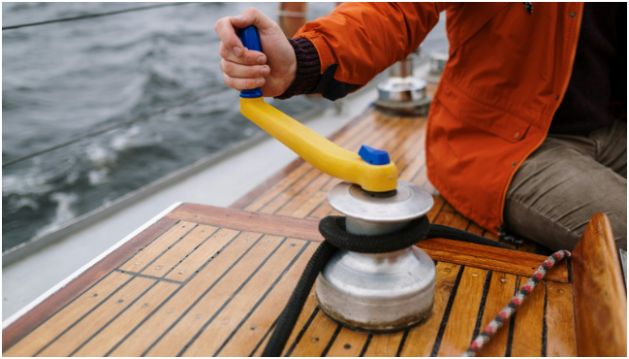
Generally, winch ropes fall into two main categories based on their material: synthetic fibres and steel wire ropes. Each has its advantages and disadvantages depending on the intended use.
Synthetic Winch Rope
Synthetic ropes are typically made from high-strength fibres such as Dyneema or Spectra. These materials provide a high strength-to-weight ratio, making the rope lighter and easier to manage. Synthetic ropes also float on water, which can be advantageous in off-road or marine environments. Furthermore, they are less prone to injury from frays or sharp edges compared to steel cables.
Steel Wire Rope
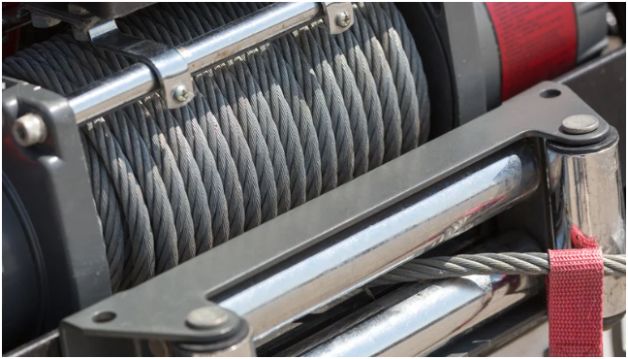
Steel wire ropes have been traditionally used due to their excellent abrasion resistance and strength. However, these ropes are heavier, can rust if not properly maintained, and are more difficult to handle safely. Despite these factors, steel ropes are still preferred for some industrial applications where abrasion resistance is critical.
Factors to Consider When Choosing a Winch Rope
Several important factors influence which winch rope is best suited for specific needs. Evaluating these factors carefully helps ensure optimal safety and performance.
Breaking Strength and Working Load Limit
The breaking strength of the winch rope is the maximum force the rope can withstand before failure. Equally important is the working load limit, which should be a fraction of the breaking strength to allow for safe usage. Selecting a winch rope with an adequate breaking strength that exceeds the expected loads is essential to prevent accidents and equipment damage.
Length of the Rope
The rope must be long enough to reach the intended anchor points but not excessive and unwieldy. Considering the winch drum size and the rope length required for operations is an important step to avoid unnecessary tangling or insufficient reach.
Diameter and Compatibility
Winch ropes come in varying diameters, affecting the fitting on the winch drum and the overall strength. It is vital to select a rope diameter compatible with the winch system to maintain proper spooling and load-handling capabilities.
Environmental Conditions
Exposure to elements such as moisture, UV radiation, chemicals, or abrasive surfaces impacts rope longevity. Synthetic ropes offer superior resistance to corrosion and chemical exposure, whereas steel ropes require regular maintenance to prevent rust. Understanding the working environment informs the choice between synthetic and steel options.
Maintenance Requirements
Synthetic ropes generally require less maintenance compared to steel wire ropes; however, they are more vulnerable to UV damage and abrasion. Steel ropes need frequent inspections and lubrication to maintain integrity and safety over time.
Advantages of Synthetic Winch Ropes
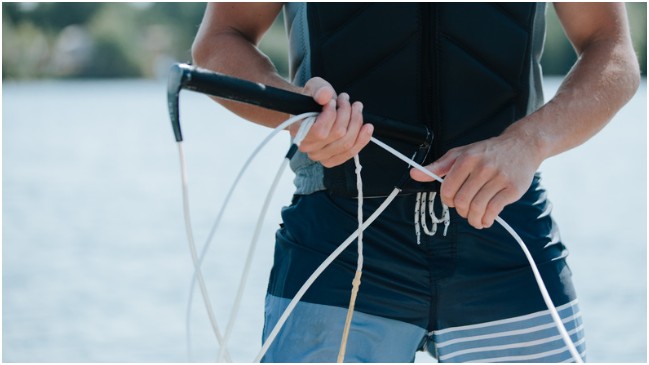
Synthetic winch ropes are increasingly preferred in many applications due to their weight, flexibility, and safety benefits. They contribute to making winching operations more efficient and safer for users.
One significant advantage is that synthetic ropes are much lighter than steel cables, making installation and handling less strenuous. This reduces fatigue and the risk of accidents during use or transport.
Additionally, synthetic ropes are safer in the event of breakage. Unlike steel cables, which can whip dangerously when snapped, synthetic ropes tend to absorb energy and are less likely to cause injury.
Furthermore, synthetic ropes are resistant to rust and corrosion; they are ideal for wet or marine environments and do not require extensive maintenance routines typical for steel ropes.
When to Choose Steel Rope
Despite the benefits of synthetic ropes, steel ropes remain suitable for specific circumstances. They excel in scenarios where abrasion resistance and durability on rough surfaces are critical.
In heavy industrial or construction contexts where the rope is subjected to sharp edges or harsh handling, steel ropes provide longevity and reliability. They also tend to have a longer lifespan if maintained correctly, which can be economically advantageous in the long term.
Purchasing Quality Winch Rope
It is imperative to source winch ropes from reputable manufacturers and suppliers who comply with industry standards and testing protocols under Green Business standards. Quality assurance ensures that the rope’s strength and durability meet advertised specifications, which is crucial for safety.
Customers should look for ropes that have undergone rigorous quality control, including breaking strength tests and resistance evaluations. Reliable suppliers often provide detailed product information and guidance on installation and care.
One can explore various options and detailed product descriptions at specialized providers. For instance, a wide range of winch rope products are available, ensuring compatibility with different winch models and usage requirements.
Installation and Safety Tips
Proper installation is vital for optimal winch rope performance. The rope should be spooled correctly on the winch drum without overlapping or twisting, which can cause damage or reduce the rope’s lifespan.
During operations, users should regularly inspect the rope for signs of wear, fraying, or other damage. Any damaged sections must be replaced immediately to maintain safety.
Additionally, employing appropriate protective gear such as gloves and ensuring that bystanders stand clear during winching operations contributes to preventing injuries.
Conclusion
Choosing the right winch rope involves evaluating the type of material, strength, length, diameter, and environmental conditions. Synthetic ropes offer substantial benefits in terms of weight and safety, while steel ropes provide durability in specific demanding environments.
By understanding the key features and requirements, users can select a winch rope that ensures efficient and secure winching activities. Sourcing from quality suppliers and following best practices in installation and maintenance further enhances the rope’s lifespan and operational safety.
For those seeking to upgrade or replace their winch ropes, reputable providers offer an array of options suitable for various needs. Access to high-quality winch rope products is critical to maintaining performance and safety standards in winching operations.