Now Reading: Reaper Scans Explained: How Manga Scan Sites Work
-
01
Reaper Scans Explained: How Manga Scan Sites Work

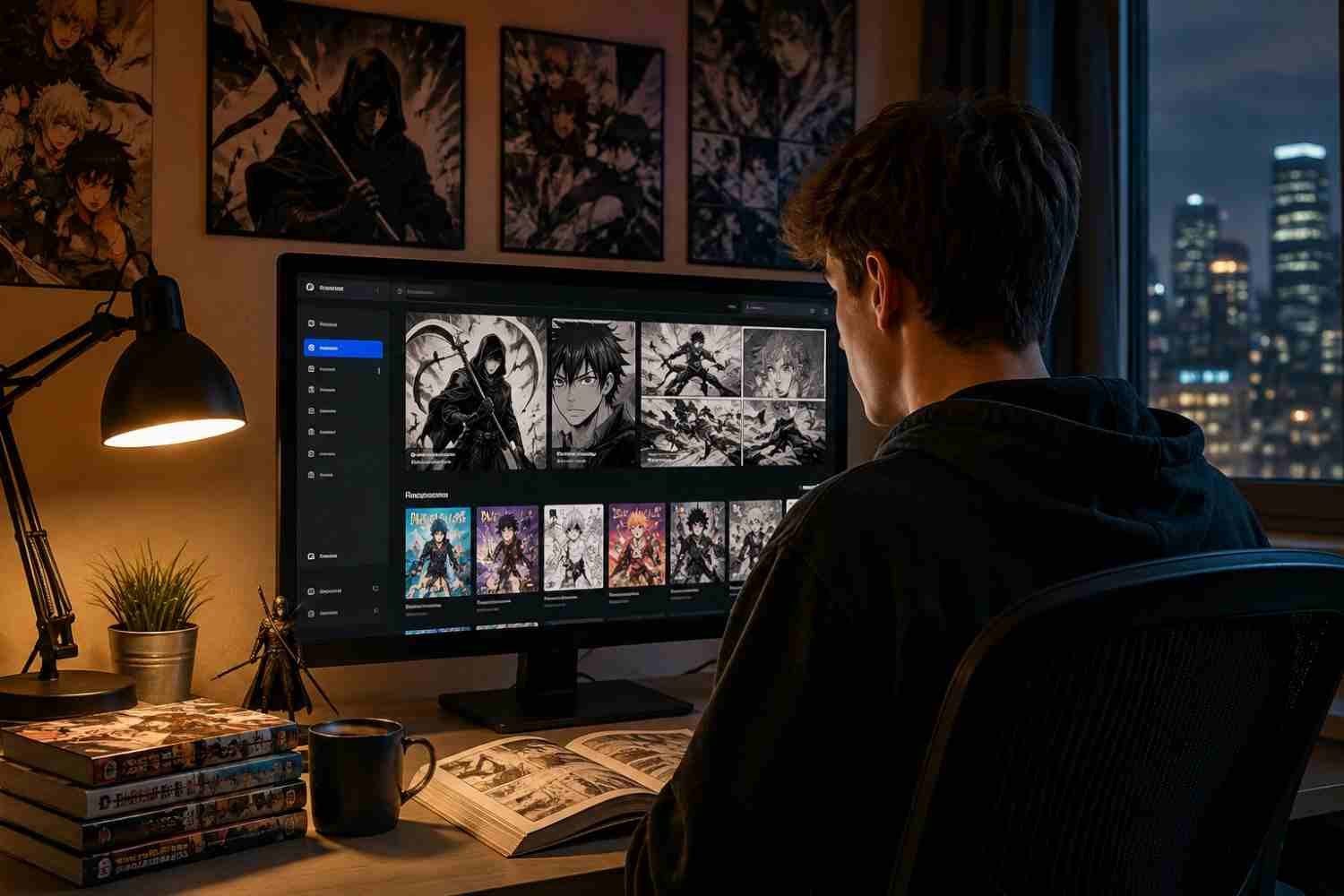
I first came across Reaper Scans as a familiar name appearing often whenever readers discussed translated webtoons and manga. I noticed the number of chapters associated with the platform and how quickly a translation could become part of a reader’s routine. A new chapter would appear, readers would talk about it, and the platform could feel like a community built around shared stories.
I also noticed how easily manga, manhwa, scanlation, and unofficial translation get mixed together. Once I looked more closely, the picture became complicated. Reaper Scans was part of a larger scanlation culture, but its story shows why these sites attract large audiences, how much work sits behind a translated chapter, and why copyright enforcement can change the landscape.
What Was Reaper Scans?
Reaper Scans was an English-language scanlation platform associated primarily with Korean webtoons and web novels, alongside other Asian comics. It began operating in 2019 and built a large international readership over roughly six years. Before its closure, the platform was reported to receive around 10 million visits per month, illustrating just how substantial demand for fast, accessible translations had become.
The site was not simply a digital shelf of comics. It was connected to translation groups and a broader reader community, with frequent chapter updates and discussion happening around releases. That combination helped create loyalty. Readers could follow ongoing series, discover unfamiliar titles, and return regularly for new installments.
Why Did Reaper Scans Become Popular?
The appeal is easier to understand when you consider how international comic publishing works. A Korean webtoon may be popular in its home market while an official English edition arrives later, appears only on selected platforms, or is unavailable in a particular region. Readers who want to follow a story immediately may look elsewhere.
Scanlation communities developed partly around that gap. They could translate material quickly and distribute it online, sometimes before an official English version existed. For readers, speed and availability were obvious advantages.
How Do Manga Scan Sites Work?
The word scanlation combines scanning and translation, although modern projects do not always literally begin with a physical scan. The basic process involves obtaining source pages, preparing the artwork, translating the dialogue, placing the translated text into panels, checking the finished pages, and distributing the chapter.
From Raw Pages to a Finished Chapter
A raw provider may obtain untranslated pages from a print publication or digital source. Editors then clean the images, improve readability, and remove original lettering where necessary. Translators work through dialogue, narration, sound effects, and cultural references, while trying to preserve meaning and tone.
After translation, typesetters place the new text into speech bubbles and captions. Proofreaders may check grammar, consistency, names, and awkward wording before release. These roles can be handled by different people or combined within a smaller group.
That workflow explains why a seemingly simple translated chapter can require several specialized skills. Academic research describes scanlation as a networked fan activity involving digitization, translation, editing, and online sharing. The exact workflow varies between groups, but the underlying idea remains similar.
Manga, Manhwa, and Manhua Are Different
These terms describe comics associated with different publishing traditions. Manga generally refers to Japanese comics, manhwa to Korean comics, and manhua to Chinese comics. Their formats, reading conventions, publishing systems, and digital presentation can differ.
Why Scanlation Creates Copyright Problems
The popularity of a translated chapter does not automatically give the translator or hosting platform the right to reproduce and distribute it. Copyright can cover reproduction, public distribution, translation, and adaptation, depending on the applicable law and circumstances.
That distinction matters because scanlation can involve several separate acts. A group may translate copyrighted material, edit the artwork, and then make the finished version available to the public. Even when the motivation is simply to share a story with readers who cannot access an official edition, permission and licensing still matter.
For example, copyright guidance explains that translation of a copyrighted work generally requires authorization from the copyright owner. Rules and exceptions vary by jurisdiction, so readers should avoid assuming that fan translation is automatically lawful simply because it is free.
What Happened to Reaper Scans?
Reaper Scans permanently shut down on May 9, 2025, after its operators received a cease-and-desist request from Kakao Entertainment. The company said its anti-piracy team had identified the operators and that the site had been distributing unauthorized translations for years. The closure was presented as a permanent shutdown rather than another temporary domain change.
It also changed how readers should interpret the phrase Reaper Scans today. Websites or online communities using similar names should not automatically be assumed to be the original operation. A familiar name can persist online even after the organization behind it has disappeared.
What Should Readers Look For Instead?
For readers who want reliable access, official platforms offer a clearer path. Licensed services obtain distribution rights and can compensate publishers, creators, or other rights holders according to their agreements. Availability still varies by title and territory, but the relationship between the reader and the content owner is more straightforward.
MANGA Plus by Shueisha is one example of an official service. It offers selected manga legally and states that proceeds support artists and their works. Other licensed platforms focus on webtoons, digital comics, or specific regional catalogs.
FAQs: Reaper Scans Explained: How Manga Scan Sites Work
1. Is Reaper Scans still operating?
The original Reaper Scans operation permanently shut down on May 9, 2025, following enforcement action connected to unauthorized content distribution.
2. What does scanlation mean?
Scanlation generally describes the fan-driven process of digitizing, translating, editing, and sharing comics that were originally published in another language.
3. Was Reaper Scans an official manga platform?
No. It was associated with unofficial fan translations rather than licensed distribution from the copyright holders of the works it hosted.
4. Why do readers use scanlation sites?
Common reasons include faster translations, access to series unavailable in their region, and early discovery of titles that have not yet received official English releases.
Why the Story Still Matters
The story of Reaper Scans reflects a tension in digital publishing: readers want stories quickly and in languages they understand, while creators and publishers need sustainable ways to license and monetize their work. Scanlation communities grew because they addressed access problems, but access does not remove copyright questions. Understanding this history helps explain the platform’s popularity and the stronger enforcement that followed.
For readers, the simplest lesson is to separate availability from authorization. A translated chapter can be easy to find without being officially distributed. Knowing that difference makes online manga reading more informed and easier to navigate.