Now Reading: How NS Mainframe Technology Is Changing Modern Transportation Operations
-
01
How NS Mainframe Technology Is Changing Modern Transportation Operations

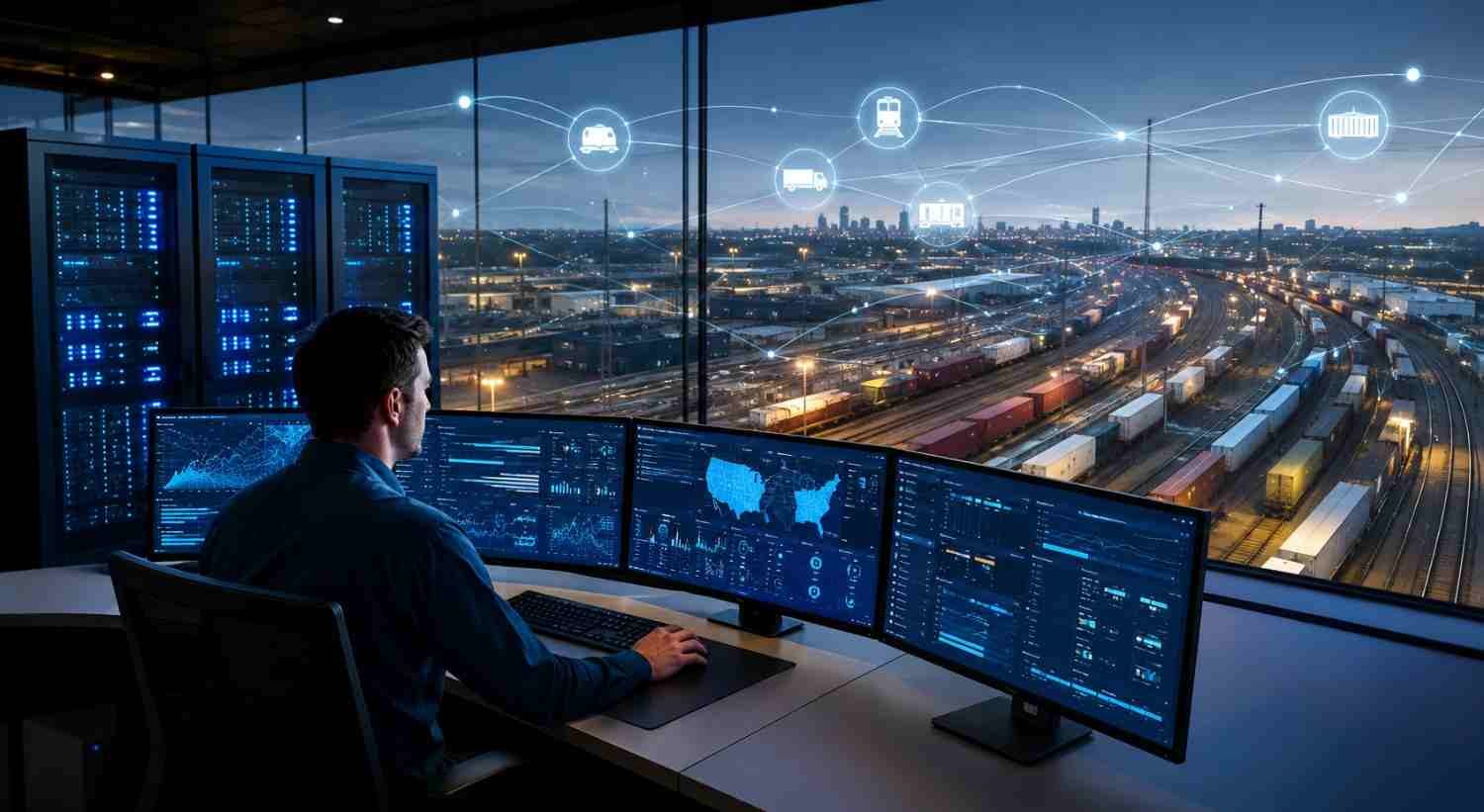
I started noticing how much transportation technology operates out of sight. When a freight train travels hundreds of miles, countless decisions happen behind the scenes before a shipment reaches its destination. That made me look more closely at the important role of core computing systems and why established infrastructure can still matter in an industry racing toward automation.
I also noticed how easily the word “mainframe” can sound like something left behind by newer cloud platforms and artificial intelligence. In railroad operations, however, the more useful question is not whether a system is old or new. It is whether it can reliably handle enormous volumes of operational information, support critical transactions, and work with the newer tools being introduced across the transportation network.
What NS Mainframe Means in Modern Railroad Technology
NS Mainframe refers broadly to the mainframe-based computing infrastructure associated with Norfolk Southern’s railroad operations. It is best understood as part of a larger technology environment rather than a single application doing every job.
Large freight railroads generate a constant stream of information. Railcars move between yards, locomotives travel through territories, shipments change status, crews and equipment must be coordinated, and customers need accurate visibility. Core systems provide a dependable foundation for processing and storing much of this operational information. The broader railroad industry has used mainframe computing for decades to manage complex freight data and logistics.
That foundation matters because transportation does not pause while a computer system catches up. A delayed or inaccurate transaction can affect downstream planning, customer updates, equipment availability, and other operational decisions.
Where Mainframe Computing Fits Into Rail Operations
One of the biggest strengths of mainframe technology is its ability to process large numbers of transactions consistently. In a railroad environment, those transactions can relate to equipment, shipments, schedules, billing, and other operational records.
The supplied research describes Transaction Processing Facility, or TPF, as a real-time environment associated with high-volume processing. It also identifies railcar tracking, inventory information, financial transactions, and planning data as important areas where core computing can support railroad activity. Those functions illustrate why dependable transaction processing remains valuable even as the surrounding technology changes.
Railroad data also has to remain consistent. If different systems disagree about the status or location of equipment, employees may be working from conflicting information. Reliable records help create a shared operational picture that other applications can use.
Why Reliability Matters When Trains Are Moving
Transportation technology has an unusual requirement: failure can have consequences beyond a screen going blank. A disruption in an important information system can interfere with communication, planning, shipment visibility, or the coordination of physical assets.
That makes availability and error handling especially important. Mainframes have long been designed for high-volume enterprise workloads where predictable processing and transaction integrity matter. For a railroad, those characteristics can be more valuable than simply having the newest technology.
Security matters too. Transportation companies handle operational, commercial, and customer information that needs appropriate protection. Strong access controls, dependable data handling, and auditable records can support both business continuity and regulatory responsibilities.
How Older Core Systems Work Alongside Newer Technology
The most interesting shift is happening at the boundaries between established systems and newer technologies. A core system can continue handling dependable transactions while APIs, mobile applications, sensors, analytics platforms, and other interfaces make its information useful in new ways.
Norfolk Southern currently highlights technology such as real-time locomotive connectivity, shipment tracking, APIs, AI, machine vision, edge computing, and digital twins as parts of its broader technology environment. Its current technology initiatives also emphasize stabilizing core systems while expanding data-driven capabilities.
Consider a trackside sensor. The sensor may capture information in the field, while other systems process, analyze, transmit, and present that information. Different layers have different jobs. A mainframe may not perform the visual analysis or predictive model itself, but dependable underlying records can still help newer applications operate with trustworthy data.
The Bigger Shift Toward Data-Driven Transportation
Railroad technology is moving toward a model where data is increasingly used to anticipate problems instead of simply recording what already happened. Predictive maintenance can help identify equipment or infrastructure conditions that deserve attention. Machine vision can support inspections. Digital twins can help model freight flows, yards, and potential bottlenecks.
These innovations depend on a basic ingredient: usable data. AI can produce impressive predictions, but its usefulness depends heavily on the quality, consistency, and availability of the information feeding it. Norfolk Southern says its digital-twin work combines real-time information, sensors, historical trends, AI, and predictive analytics to model freight activity and anticipate bottlenecks.
This is where NS Mainframe technology becomes relevant to the broader transportation story. Core computing may not be the most visible part of digital transformation, yet it can provide continuity while newer tools expand around it.
What NS Mainframe Technology Could Mean for the Future
The future is unlikely to be a simple choice between mainframes and modern computing. Transportation networks are too complex for that kind of either-or thinking. The practical direction is integration.
Established systems can continue performing workloads they handle well while cloud services, AI, sensors, automation, and advanced analytics take on newer tasks. That approach can reduce unnecessary disruption while allowing a railroad to modernize where the business gains are clearest.
For customers, the result can show up as better shipment visibility, more informed service planning, fewer avoidable disruptions, and faster access to useful information. For railroad employees, it can mean better tools for making decisions across a complicated physical network. Norfolk Southern already uses data-powered dispatching, movement planning, APIs, mobile applications, and sensor-based shipment visibility across its technology ecosystem.
FAQs: How NS Mainframe Technology Is Changing Modern Transportation Operations
1. What is NS Mainframe?
NS Mainframe refers to mainframe-based computing associated with Norfolk Southern’s railroad technology environment. It supports the kind of high-volume, reliable information processing that large transportation operations require.
2. Why are mainframes useful in railroads?
They are well suited to workloads requiring consistent transaction processing, high availability, data integrity, and dependable performance across large volumes of records.
3. Does a mainframe replace newer transportation technology?
No. Modern railroads use many technologies together, including sensors, APIs, analytics, AI, machine vision, and connected devices. Core systems can provide dependable data and processing while newer tools add specialized capabilities.
4. Is mainframe technology still relevant to transportation?
Yes. Relevance depends less on a system’s age than on whether it reliably supports important workloads. As transportation becomes more digital, dependable data infrastructure remains essential.
Why Reliable Foundations Still Matter
Transportation technology tends to attract attention when it looks futuristic. Autonomous systems, artificial intelligence, computer vision, and digital twins make for compelling headlines because their capabilities are easy to visualize. Yet the less visible work of processing transactions, maintaining records, connecting information, and keeping critical systems available can determine whether those innovations actually deliver value. In a freight railroad, where physical operations stretch across a huge network, and small information errors can create larger complications, dependable computing remains part of the infrastructure that makes progress practical.
That is the real significance of NS Mainframe technology. Modernization does not erase the need for reliable foundations. It builds new capabilities on top of them.