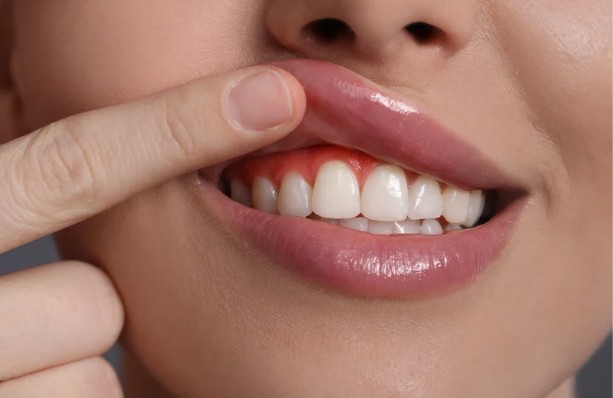
Now Reading: Best 5 Ways Seniors Can Maintain Strong Teeth
-
01
Best 5 Ways Seniors Can Maintain Strong Teeth


Aging changes a lot of things—and your teeth are no exception. As you get older, enamel wears down, gums recede, and years of wear and tear can start to show. But here’s the good news: keeping your teeth strong well into your 60s, 70s, and beyond is entirely possible with the right habits.
Whether you’re starting to notice changes or simply want to stay ahead of potential issues, these five strategies can make a real difference.
1. Brush and Floss with Purpose
Most people know they should brush twice a day—but technique matters just as much as frequency. Use a soft-bristled toothbrush and fluoride toothpaste, holding the brush at a 45-degree angle to gently clean along the gumline. Brush for a full two minutes, covering all surfaces of each tooth, which can help prevent issues before they worsen and ensure that tooth pain be stopped permanently with consistent care.
Flossing is equally important, especially for seniors. Gaps between teeth tend to widen slightly with age, creating more room for food particles and bacteria to hide. If traditional floss is tricky due to arthritis or limited dexterity, try a water flosser or pre-threaded floss picks—they’re just as effective and much easier to manage.
2. Watch Out for Dry Mouth

Dry mouth might seem like a minor inconvenience, but it’s one of the most common—and overlooked—threats to senior oral health. Saliva plays a crucial role in neutralizing acids and washing away bacteria. When saliva production drops, the risk of cavities and gum disease climbs.
Many medications commonly prescribed to seniors—including those for high blood pressure, allergies, and depression—list dry mouth as a side effect. If you suspect a medication is causing the issue, talk to your doctor about alternatives. In the meantime, sip water throughout the day, chew sugar-free gum to stimulate saliva flow, and consider an alcohol-free mouthwash designed for dry mouth relief.
3. Eat for Your Teeth (Not Just Your Body)
What you eat directly affects the health of your teeth and gums. Calcium-rich foods like dairy products, leafy greens, and almonds help maintain bone density—including the bone that supports your teeth. Vitamin D is equally essential, as it helps the body absorb calcium properly. Good sources include eggs, fatty fish, and fortified foods.
On the flip side, frequent snacking on sugary or starchy foods feeds the bacteria that cause tooth decay. Acidic drinks like coffee, soda, and citrus juices can also erode enamel over time. If you enjoy these foods and beverages, try rinsing with water afterwards to minimize their impact.
4. Keep Up with Regular Dental Visits
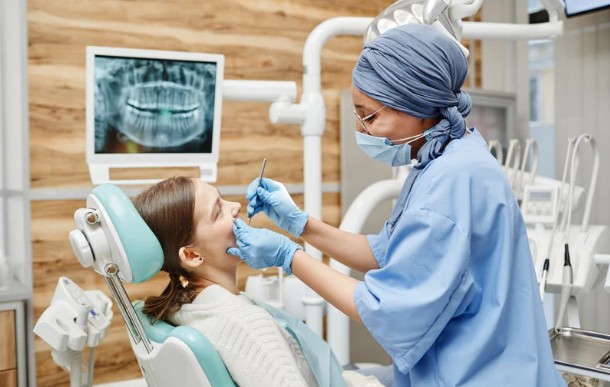
This one sounds obvious, but many seniors skip routine checkups—sometimes due to cost, mobility challenges, or simply thinking they don’t need to go as often once they have dentures or dental implants. The reality is the opposite.
Regular visits to a family dentist in Orem allow for early detection of issues like gum disease, oral cancer, and cracked teeth—problems that are far easier (and less expensive) to treat when caught early.
Most dentists recommend visits every six months, though your provider might suggest more frequent checkups depending on your individual needs. Don’t wait for pain to prompt a visit; by then, the problem has usually progressed further than it needed to.
5. Take Extra Care if You Wear Dentures
For seniors with partial or full dentures, daily maintenance is non-negotiable. Dentures should be removed and cleaned each night using a denture brush and a cleanser specifically formulated for them—regular toothpaste is too abrasive and can cause tiny scratches where bacteria accumulate.
Equally important: clean your gums, tongue, and the roof of your mouth every day, even if you have no natural teeth remaining. This removes bacteria and plaque, keeps gum tissue healthy, and reduces the risk of oral infections. If your dentures feel loose or uncomfortable, see your dentist rather than adjusting to the discomfort—an ill-fitting denture can cause sores and affect your ability to eat and speak properly.
Small Steps, Big Results
Strong teeth in your senior years don’t require a dramatic overhaul—they require consistency. Brushing properly, staying hydrated, eating well, and showing up for your dental appointments are habits anyone can build over time, and they can even help ease swelling and pain after surgery when proper oral care is maintained.
If it’s been a while since your last checkup, now is a great time to reconnect with a trusted family dentist in Orem and get back on track. Your teeth have served you well for decades—a little extra attention can keep them going strong for many more.