Now Reading: Maximizing Wind Energy: Proven Strategies for Reliable Turbine Operation
-
01
Maximizing Wind Energy: Proven Strategies for Reliable Turbine Operation


Wind energy has become a cornerstone of sustainable power generation, offering a clean, renewable alternative to fossil fuels. However, the efficiency and reliability of wind turbines are critical to maximizing energy output and ensuring a steady return on investment. Operators and engineers must adopt a proactive approach, combining maintenance, monitoring, and technological upgrades to keep turbines running at peak performance. This article explores proven strategies to ensure reliable wind turbine operation.
1. Implement a Robust Maintenance Schedule
Routine maintenance is the foundation of reliable turbine performance. Regular inspections of mechanical and electrical components help identify wear and tear before it leads to failures. Blade inspection is particularly important, as cracks or erosion can reduce aerodynamic efficiency and increase the risk of mechanical breakdowns. Gearboxes, bearings, and pitch systems should also be regularly lubricated and examined for signs of fatigue. By establishing a structured maintenance schedule, operators can prevent unexpected downtime and extend the operational lifespan of their turbines.

2. Utilize Advanced Monitoring Systems
Modern wind turbines are equipped with sophisticated sensors that track key performance indicators such as rotor speed, vibration, temperature, and power output. Condition monitoring systems (CMS) analyze this data in real time, detecting anomalies that may indicate emerging issues. Predictive maintenance, driven by CMS data, allows operators to address problems before they escalate, reducing costly repairs and unplanned outages. By leveraging data analytics and machine learning, turbine operators can optimize performance, minimize downtime, and increase energy yield.
3. Optimize Blade Performance
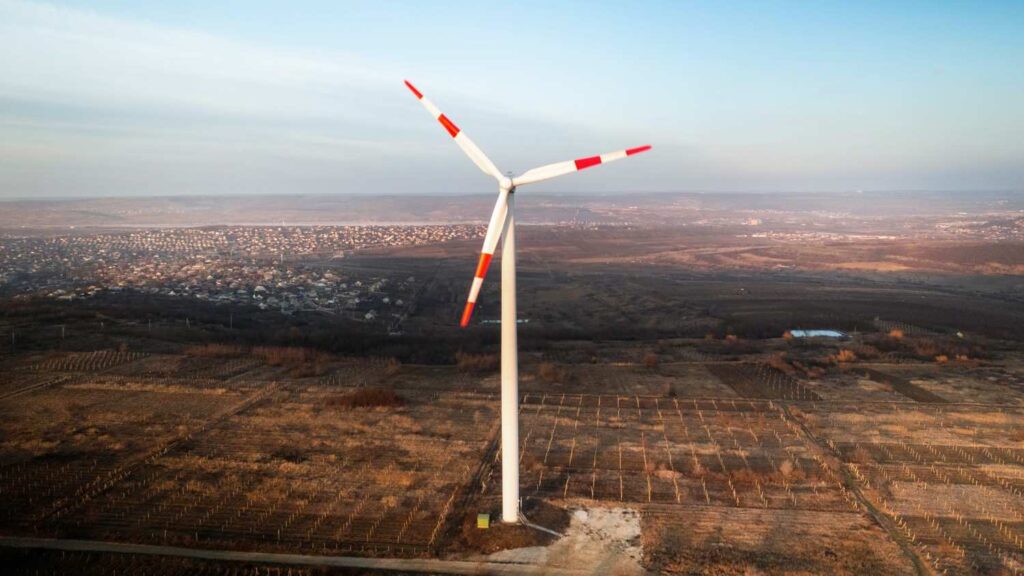
The rotor blades are the heart of a wind turbine, and their efficiency directly impacts energy production. Operators should ensure blades are clean, free of debris, and aerodynamically optimized. Advanced coatings and materials can improve blade longevity and reduce maintenance needs. For example, using high-performance materials such as polyimide in certain turbine components can enhance durability and resistance to environmental stressors. Regular blade pitch adjustments and alignment checks further contribute to maintaining consistent performance, especially in fluctuating wind conditions.
4. Manage Electrical and Control Systems
Wind turbines rely on complex electrical and control systems to convert wind energy into usable electricity efficiently. Regular inspection of electrical connections, transformers, and inverters is essential to prevent energy losses and system failures. Control systems, which govern blade pitch and generator output, should be regularly updated and calibrated. Proper management of these systems ensures that turbines operate within optimal parameters, even under challenging weather conditions.
5. Monitor Environmental Conditions
Wind turbines operate in dynamic and often harsh environments. Temperature extremes, humidity, ice, and lightning can affect turbine performance. Installing environmental monitoring equipment helps operators anticipate and respond to adverse conditions. For instance, ice detection systems can prevent damage by activating de-icing mechanisms, while lightning protection systems safeguard sensitive electronics. By accounting for environmental factors, turbine operators can maintain reliable energy production regardless of seasonal variations.
6. Focus on Staff Training and Safety
The human element is just as crucial as technology in ensuring reliable turbine operation. Well-trained technicians and engineers can quickly identify issues, perform efficient maintenance, and respond to emergencies. Ongoing training programs should cover safety protocols, system updates, and troubleshooting techniques. Prioritizing safety not only protects personnel but also minimizes operational disruptions caused by accidents or procedural errors.
7. Consider Upgrades and Retrofitting
As wind technology evolves, older turbines may benefit from upgrades that enhance performance and reliability. Retrofitting blades, control systems, or generators with modern components can improve efficiency and reduce maintenance frequency. Additionally, software updates can optimize turbine operations, leveraging the latest predictive algorithms to anticipate and mitigate potential failures. Strategic upgrades allow operators to maximize energy output without the need for costly new installations.

In Conclusion
Ensuring consistent and reliable wind turbine operation is essential for maximizing energy production and maintaining a sustainable, profitable wind power operation. By implementing a robust maintenance schedule, leveraging advanced monitoring systems, optimizing blade and electrical performance, and training skilled personnel, operators can minimize downtime and enhance turbine longevity. Incorporating durable materials like polyimide in critical components further strengthens turbine resilience against environmental and mechanical stresses. With these strategies, wind energy can reach its full potential, providing a steady, clean power source for years to come.