Now Reading: Strategic Choices: Mastering Decision-Making in Big Business
-
01
Strategic Choices: Mastering Decision-Making in Big Business


In the fast-paced world of large enterprises, effective decision-making is one of the most important skills leaders can possess. Big businesses operate in complex environments, juggling diverse teams, expansive markets, and high-stakes challenges. Every choice—whether it involves expanding into new regions, launching a product, or restructuring operations—can influence the company’s future for years to come. Mastering decision-making isn’t just beneficial; it’s a requirement for long-term success.
Understanding the Landscape of Large-Scale Decisions
Decision-making in large organizations is uniquely challenging. Unlike smaller companies, where decisions can often be made quickly, big businesses must consider far more variables. Market volatility, shareholder expectations, regulatory requirements, and internal cultural dynamics all influence the process. With so many factors at play, businesses must adopt robust strategic frameworks to ensure stability and adaptability.
The first step toward effective decision-making is understanding the environment in which choices are made. Leaders should consistently evaluate internal strengths and weaknesses while scanning the external environment for emerging threats and opportunities. Tools like SWOT analyses, competitive benchmarking, and scenario planning help large companies make informed, forward-thinking decisions.
Building a Data-Driven Foundation
Gone are the days when decisions relied solely on intuition. Today’s most successful organizations embrace data as the foundation of strategic thinking. Access to accurate, timely data allows leaders to identify patterns, forecast outcomes, and reduce uncertainty.
Data, however, is only as valuable as its interpretation. That’s why many enterprises invest in systems and expertise that transform raw numbers into actionable insights. Advanced analytics, machine learning models, and performance dashboards empower leaders to make choices grounded in evidence rather than guesswork.
Even traditional professional services, such as auditing and assurance services in St George Utah, can play a role by providing objective evaluations that support financial and operational clarity—valuable information for making high-level decisions.

The Power of Collaboration and Diverse Perspectives
While data is essential, human judgment remains at the heart of strategic decision-making. The best choices are often made when diverse teams collaborate, bringing a range of experiences and expertise to the table.
Large organizations that encourage cross-departmental communication often produce more creative, balanced solutions. Finance teams may highlight cost implications, marketing leaders may point out customer trends, and operations experts may foresee logistical obstacles. Each viewpoint adds another layer of insight.
Incorporating diverse opinions also reduces blind spots. When decisions are made in isolation or without adequate consultation, businesses run the risk of overlooking crucial details. Collaborative decision-making fosters transparency, strengthens trust, and ensures that strategies reflect the needs and realities of the entire organization.
Balancing Speed with Precision
Agility is becoming increasingly important in big business. Markets shift quickly, and companies that wait too long to decide may miss valuable opportunities. At the same time, rushing decisions without proper evaluation can lead to costly mistakes.
Striking the right balance is key. Many large enterprises adopt decision-making models that prioritize both speed and accuracy. These may include streamlined approval processes, rapid prototyping approaches, or delegated authority structures that enable quicker turnarounds.
Leaders must also learn to distinguish between high-impact and low-impact decisions. Not every choice demands the same level of analysis. By categorizing decisions, organizations can allocate time and resources effectively, focusing deeper evaluation on the issues that matter most.
Risk Management and Strategic Foresight
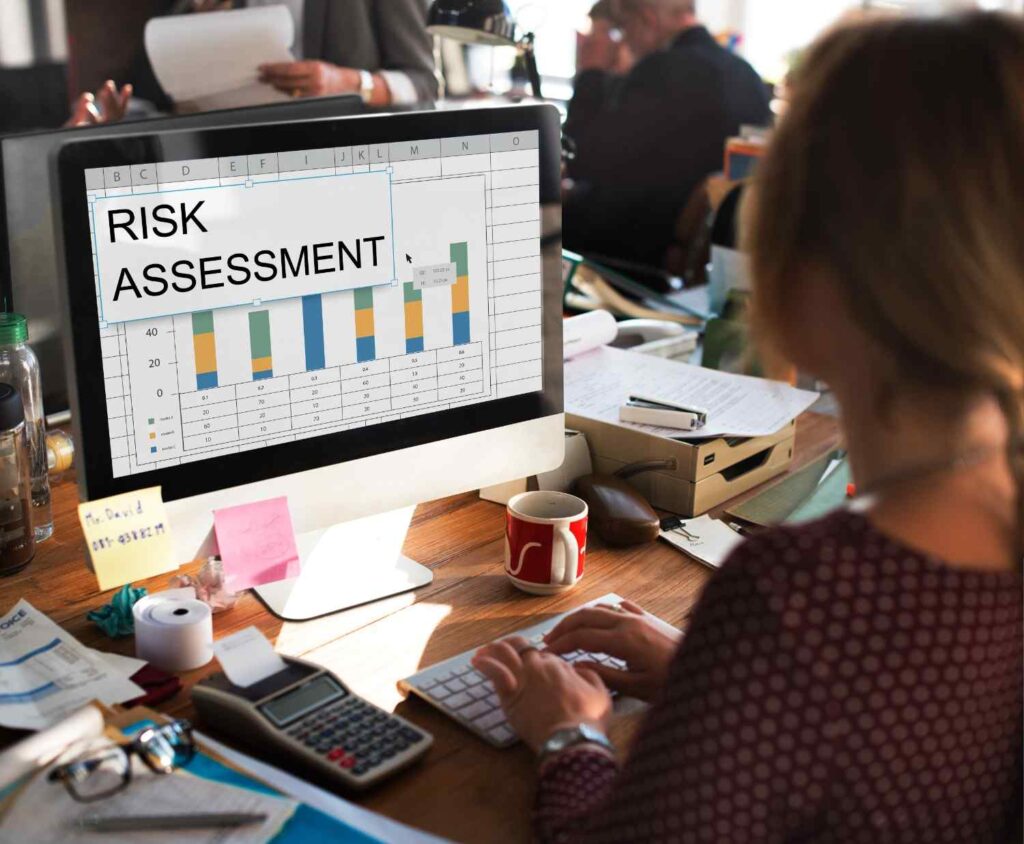
No major decision comes without risks. The role of leadership is not to eliminate risk entirely—that’s impossible—but to manage it strategically.
Effective risk management involves identifying potential obstacles, assessing their likelihood, and planning mitigation strategies. Businesses that cultivate a forward-thinking mindset are better positioned to adapt when unexpected challenges arise.
Scenario planning is a particularly powerful tool for large companies. By exploring “what if” situations—economic fluctuations, supply chain disruptions, or shifts in consumer behavior—leaders can prepare flexible strategies that remain resilient under changing conditions.
Creating a Culture That Supports Strong Decision-Making
Ultimately, consistent, high-quality decision-making thrives in a supportive organizational culture. When employees at all levels feel empowered to contribute insights and take initiative, leaders gain more information to guide their choices.
A strong decision-making culture values:
- Transparency
- Open communication
- Accountability
- Continuous learning
- Willingness to adapt
Companies that cultivate these values experience smoother execution of strategic choices and stronger alignment across teams.
In Conclusion
Mastering decision-making in large business requires a thoughtful blend of data, collaboration, foresight, and strategic discipline. While the process may be complex, the rewards are substantial. Organizations that strengthen their decision-making frameworks position themselves to overcome challenges, seize opportunities, and secure long-term success in an ever-evolving business landscape.