Now Reading: 5 Elements of Gentle Dental Care Designed for Stress-Free Appointments
-
01
5 Elements of Gentle Dental Care Designed for Stress-Free Appointments


For millions of people, the mere thought of a dental appointment triggers a physiological response: sweaty palms, a racing heart, and a strong desire to cancel. Dental anxiety is a widespread phenomenon that prevents countless individuals from seeking the essential care they need.
This avoidance often leads to a cycle where minor issues escalate into major dental problems, reinforcing the fear that the dentist’s chair is a place of discomfort.
However, the landscape of dentistry has shifted dramatically in recent years. The clinical, cold, and intimidating atmosphere of the past is being replaced by a philosophy known as “gentle dentistry.” This approach prioritizes the patient’s emotional and physical comfort just as much as their oral health.
It is not a specific procedure, but rather a comprehensive environment designed to alleviate stress. If you have been putting off your check-ups due to fear, understanding the elements of gentle care might just change your perspective. Here are five key components of modern gentle care designed to ensure stress-free appointments.
1. A Calming and Welcoming Environment
The experience of gentle care begins the moment you walk through the door. Historically, dental offices were designed for clinical efficiency, often resulting in stark, white-walled rooms that smelled of antiseptics and cloves.
Today, providers who focus on stress-free experiences understand that the environment plays a massive role in regulating a patient’s nervous system.
You might notice reception areas that feel more like living rooms, featuring warm lighting, comfortable seating, and calming decor. Many offices utilize aromatherapy to replace the traditional “dental smell” with soothing scents like lavender or vanilla, which have been shown to lower cortisol levels.
Even the auditory environment is curated; instead of the sound of drilling echoing through the halls, you might hear soft, ambient music. These sensory adjustments are intentional, designed to signal to your brain that you are in a safe, non-threatening space before you even meet the clinical team.
2. Open, Empathetic Communication and Control
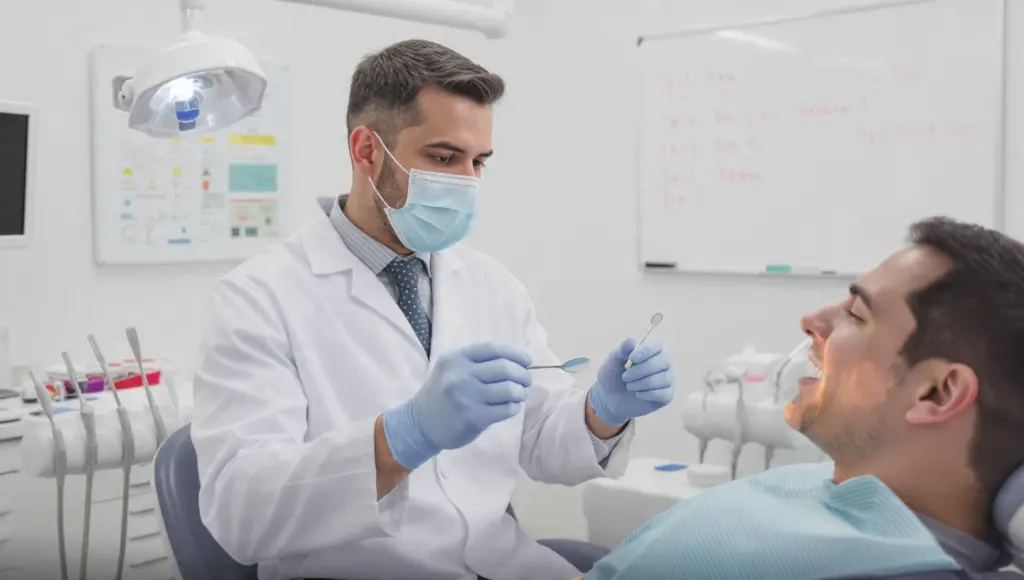
One of the primary drivers of dental anxiety is a feeling of helplessness or loss of control. Gentle dentistry combats this through radical empathy and clear communication. A compassionate dental team will take the time to listen to your specific fears before asking you to open your mouth.
Whether it’s a fear of needles, a sensitive gag reflex, or past trauma, voicing these concerns allows the dentist to tailor the experience to you.
This approach often utilizes the “Tell-Show-Do” method. The dentist explains what they are going to do in plain language, shows you the tools or demonstrates the noise they make, and then performs the action only when you are ready.
Furthermore, gentle care empowers the patient with control mechanisms, such as establishing a hand signal (like raising a left hand) to stop the procedure immediately if they feel overwhelmed or need a break. Knowing you have the power to pause the appointment instantly builds trust and significantly reduces anxiety.
3. Advanced Technology for Minimally Invasive Treatments
Technology has revolutionized the physical sensation of dental work. Many of the sights, sounds, and sensations that people fear are associated with outdated tools. Modern gentle care relies on state-of-the-art equipment that is quieter, faster, and less invasive.
For example, many practices now use laser dentistry for procedures that previously required a drill. Lasers are silent, vibration-free, and often cause so little sensation that anesthesia isn’t required for minor fillings. Digital scanners have largely replaced the uncomfortable, gooey impression trays that many patients dread.
Additionally, quiet electric handpieces have replaced the loud, high-pitched air turbines of the past. These technological advancements mean less time in the chair, faster recovery times, and a significant reduction in the sensory triggers that cause stress.
4. Comprehensive Sedation Options
While environment and technology can do wonders for mild nervousness, some patients require a deeper level of relaxation to get through an appointment.
This is where chemical assistance plays a vital role in gentle care. There is a spectrum of aid available, ranging from mild nitrous oxide (laughing gas) to take the edge off, to oral conscious sedation which puts you in a dream-like state.
For those with severe phobia or who need to undergo long, complex procedures, utilizing pharmaceutical help is often the best route. By opting for sedation dentistry in Wasilla, patients can achieve a state of complete relaxation, often having little to no memory of the procedure afterwards.
This allows the dentist to work efficiently while the patient rests comfortably, turning what could be a traumatic ordeal into a non-event. It is crucial to discuss your medical history and anxiety levels with your provider to determine which level of sedation is appropriate for you.
5. Comfort Amenities and Distraction Therapy
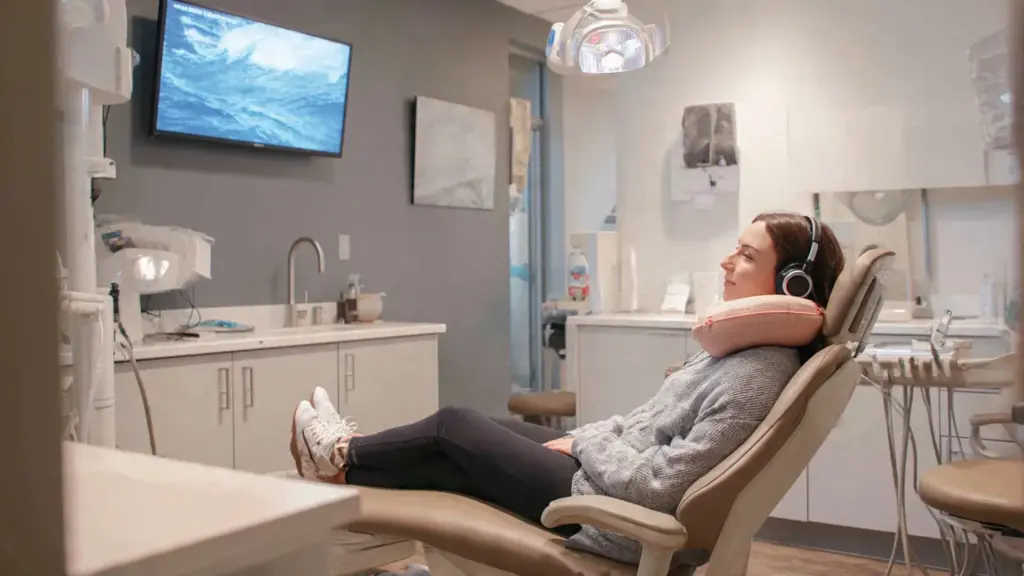
Sometimes, the best way to deal with stress is simply to take your mind off of it. Gentle dental practices are increasingly adopting “comfort menus”—a list of amenities provided to make you feel pampered rather than poked. This can include weighted blankets to provide a sense of security, neck pillows for physical support, and warm towels for cleanup.
Distraction therapy is another powerful tool. Many operatories are equipped with noise-canceling headphones so you can listen to your favorite podcast or playlist, effectively blocking out the sounds of the procedure. Ceiling-mounted televisions allow you to watch a movie or a nature documentary while reclining.
By engaging your brain with entertainment, your focus shifts away from the dental work, making the time pass significantly faster and keeping your stress levels manageable.
Dental health is a critical component of overall well-being, yet fear should never be the barrier that prevents you from achieving a healthy smile. The evolution of dentistry toward gentle, patient-centered care means that you no longer have to “grin and bear it.
” From the soothing atmosphere and advanced technology to the availability of sedation and comfort amenities, the industry has adapted to meet the needs of anxious patients.
If you have been avoiding the dentist, consider reaching out to a local provider who prioritizes these gentle care philosophies. Taking that first step can lead to a lifetime of stress-free appointments and optimal health.