Now Reading: Keep Your Car Running: 6 Simple Steps for Vehicle Health
-
01
Keep Your Car Running: 6 Simple Steps for Vehicle Health

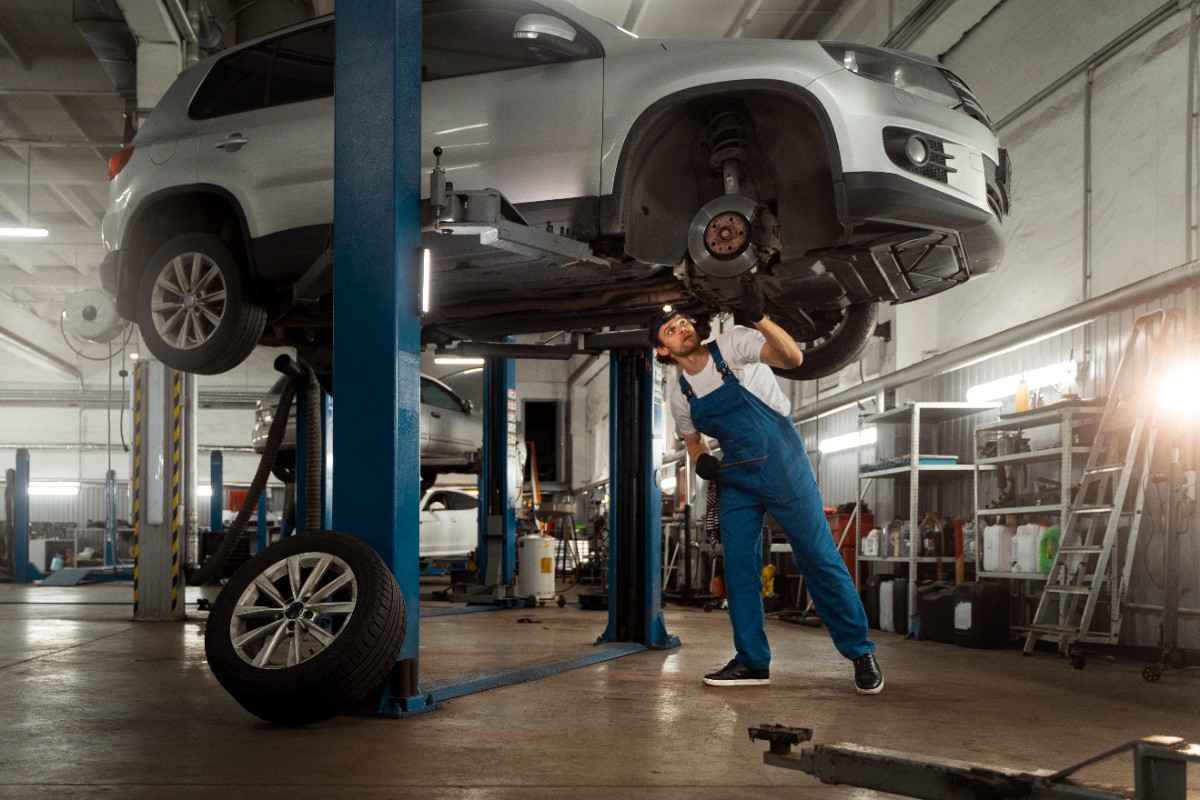
Your car is a major investment, but it’s easy to take its performance for granted until a problem arises. While many drivers see maintenance as a chore, proactive care is much cheaper than reactive repairs.
You don’t need to be a mechanic to keep your car in top shape. This guide outlines the essential steps to prolonging your car’s life and keeping it reliable for years to come.
Master Your Fluid Levels
If your engine is the heart of your vehicle, the fluids are its lifeblood. Various liquids course through your car’s systems, lubricating moving parts, transferring power, and regulating temperature.
When these levels drop or the fluids degrade, catastrophic damage can occur within minutes.
Engine Oil
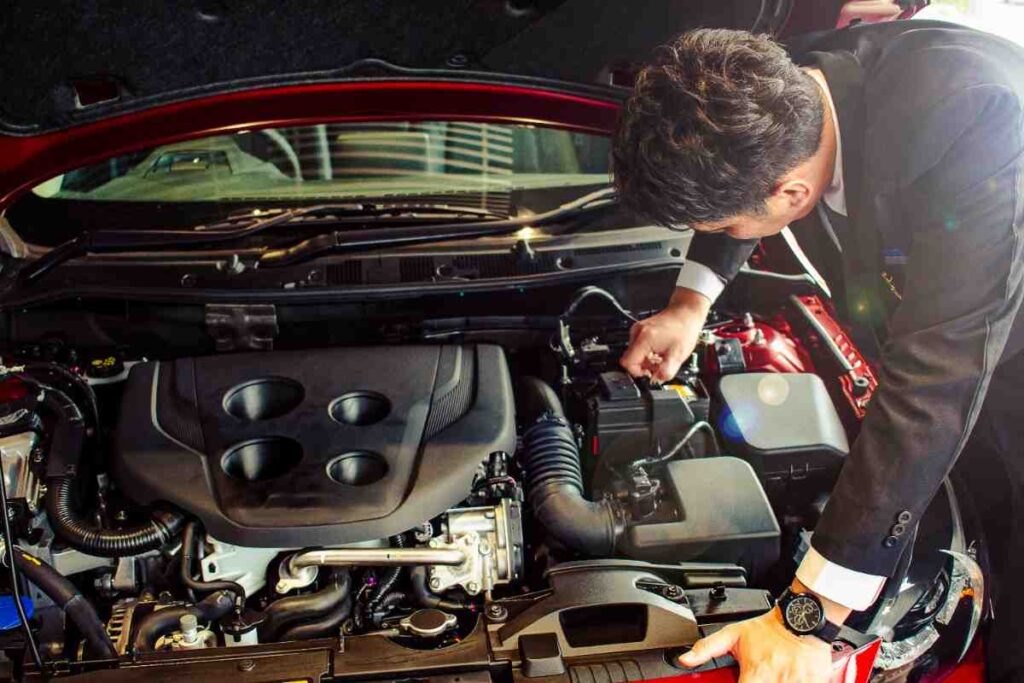
Engine oil is arguably the most critical fluid in your vehicle. It lubricates the thousands of rapidly moving parts inside your engine, reducing friction and preventing overheating.
Over time, oil breaks down and collects dirt, turning into a sludge that can clog your engine. To check it, park on level ground and wait for the engine to cool.
Locate the dipstick (usually marked with a yellow or orange loop), pull it out, and wipe it clean. Reinsert it fully, then pull it out again to see where the oil line sits. It should be between the “low” and “full” marks.
Coolant (Antifreeze)
Your engine generates immense heat, and coolant is responsible for dissipating that heat through the radiator. Without sufficient coolant, your engine can overheat, leading to warped cylinder heads or a cracked engine block—repairs that can cost thousands of dollars.
Check the reservoir (a translucent plastic tank) to ensure the liquid reaches the “fill” line. Warning: Never open the radiator cap while the engine is hot, as pressurized steam can cause severe burns.
Brake Fluid
Brake fluid transfers the force from your foot on the pedal to the brake pads at the wheels. If this system has a leak or gets air in it, your brakes may feel spongy or fail.
The reservoir is usually located near the back of the engine bay on the driver’s side. The fluid should be translucent and yellowish; if it looks dark or muddy, it likely needs flushing.
Windshield Washer Fluid
While not critical for the engine’s mechanics, washer fluid is vital for safety. A dirty windshield can blind you to hazards, especially when driving into the sun or at night. Keep this reservoir topped up with a seasonal fluid that won’t freeze in winter.
Tire Maintenance: Your Connection to the Road
Your tires are the only point of contact between your vehicle and the road. Their condition dictates how well your car handles, brakes, and accelerates. Neglecting tires doesn’t just hurt fuel economy; it endangers you and your passengers.
Tire Pressure
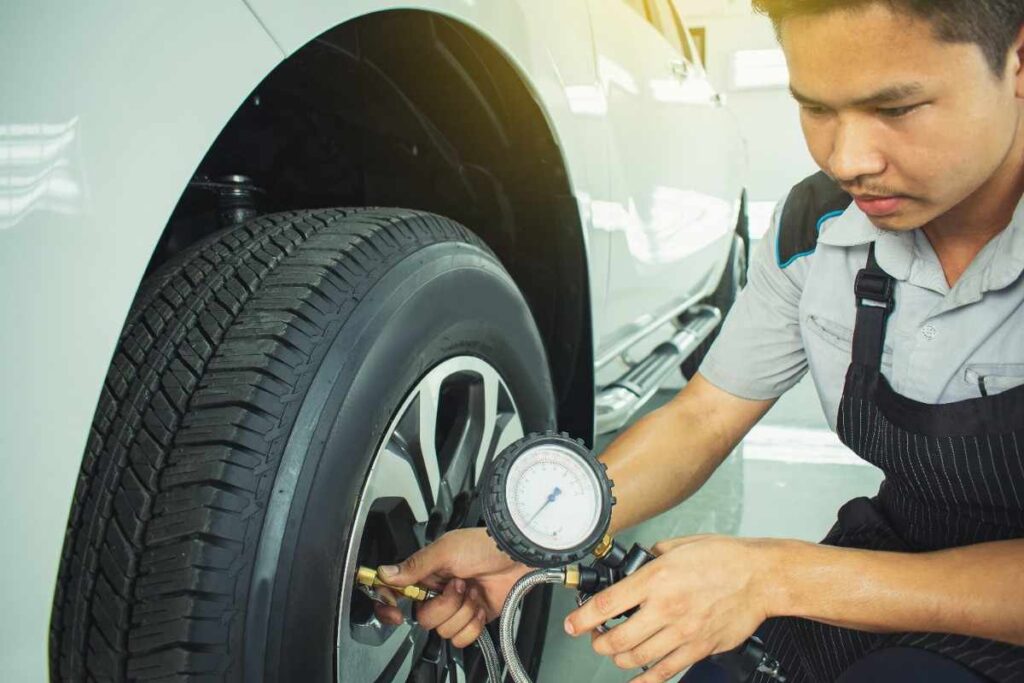
Under-inflated tires create more rolling resistance, which forces your engine to work harder and burn more fuel. They are also prone to blowouts due to excessive heat buildup. Over-inflated tires, conversely, have less traction and result in a harsh ride.
Check your tire pressure once a month using a reliable gauge. Do not rely on the “max PSI” number on the tire sidewall; instead, look for the manufacturer’s recommended pressure on the sticker inside the driver’s door jamb.
Tread Depth
Tread allows your tires to grip the road and channel water away to prevent hydroplaning. As tires wear down, their grip diminishes.
A simple way to check this is the “penny test.” Insert a penny into the tread groove with Lincoln’s head facing down. If you can see all of Lincoln’s head, your tread is too low, and it is time for replacements.
Rotation
Front and rear tires wear differently depending on whether your car is front-wheel, rear-wheel, or all-wheel drive.
To ensure they wear evenly and last longer, have your tires rotated every 5,000 to 8,000 miles. This is often done easily during a standard oil change.
Battery Care and Longevity
Few things are as frustrating as turning your key or pressing the start button and hearing nothing but a hollow click. Car batteries typically last three to five years, but extreme temperatures and neglect can shorten their lifespan significantly.
Start by visually inspecting the battery terminals. If you see a buildup of white, blue, or green powdery substance, that is corrosion. This residue increases electrical resistance and can prevent the car from starting even if the battery has a charge. You can clean this off using a wire brush and a mixture of baking soda and water.
If your car struggles to start on cold mornings or if your headlights dim when the car is idling, your battery may be on its way out. Most auto parts stores offer free voltage testing, so you can know the health of your battery before it leaves you stranded.
Don’t Ignore Your Brakes
Your braking system is your primary safety feature. Unlike other systems that might fail silently, brakes usually warn you when they need attention.
Listen for Warning Signs
A high-pitched squealing sound when you apply the brakes is a built-in indicator that your brake pads are worn down and need replacing.
If that squeal turns into a harsh grinding metal-on-metal sound, you have worn through the pads entirely and are now damaging the rotors.
Feel the Pedal
Pay attention to how the brake pedal feels under your foot. If it vibrates or pulses when you stop, your rotors might be warped.
If the pedal sinks to the floor or feels “mushy,” you may leak into the brake lines or a master cylinder issue. Addressing these signs immediately is non-negotiable for safe driving.
Stick to a Service Schedule
While DIY checks are excellent for maintenance, professional servicing is necessary to keep complex mechanical systems running. Consult your owner’s manual for the specific service intervals recommended by the manufacturer.
Oil Changes and Filters
Regular oil changes are the foundation of a healthy engine. Depending on your vehicle and the type of oil used (synthetic vs. conventional), this typically happens every 3,000 to 10,000 miles.
During this service, mechanics will also replace the oil filter, which traps contaminants. Don’t forget the engine air filter and cabin air filter; a clogged engine filter suffocates your engine, hurting performance, while a dirty cabin filter reduces air quality inside the car.
Transmission Service
One area often overlooked by car owners is the transmission. Just like the engine, the transmission relies on fluid to cool and lubricate gears. Over time, transmission fluid degrades and loses its protective properties.
A professional transmission service, such as those offered in Salt Lake City, involves draining the old fluid, replacing the filter, and adding fresh fluid. Ignoring this can lead to slipping gears or total transmission failure, which is one of the most expensive repairs a car owner can face.
Tune-Ups
Modern cars don’t need “tune-ups” in the traditional sense of adjusting carburetors, but they still require spark plug replacements and inspection of ignition coils and wires. Worn spark plugs cause misfires, rough idling, and poor fuel economy.
Frequently Asked Questions
Can I check my transmission fluid myself?
In many older vehicles, yes, there is a dipstick similar to the oil dipstick, usually red. However, many modern vehicles have sealed transmission units that do not have a dipstick and require a mechanic to check the levels. Consult your owner’s manual to see which applies to your car.
How often should I wash my car?
Washing your car isn’t just about vanity. Bird droppings, tree sap, and road salt (in winter climates) can eat away at the clear coat and cause rust. Aim to wash your vehicle every two weeks to protect the paint and undercarriage.
Is synthetic oil really better than conventional oil?
Generally, yes. Synthetic oil resists breakdown at high temperatures better than conventional oil and flows better in cold temperatures. While it costs more upfront, it lasts longer and offers superior engine protection, which can save money over the life of the vehicle.
Conclusion
Maintaining your vehicle helps you avoid the stress of unexpected breakdowns and the financial sting of major repairs. By performing simple fluid checks, keeping an eye on your tires, and adhering to a regular service schedule, you ensure that your car remains a safe and reliable mode of transport.