Now Reading: Navigating the US Immigration Process: What You Need to Know
-
01
Navigating the US Immigration Process: What You Need to Know

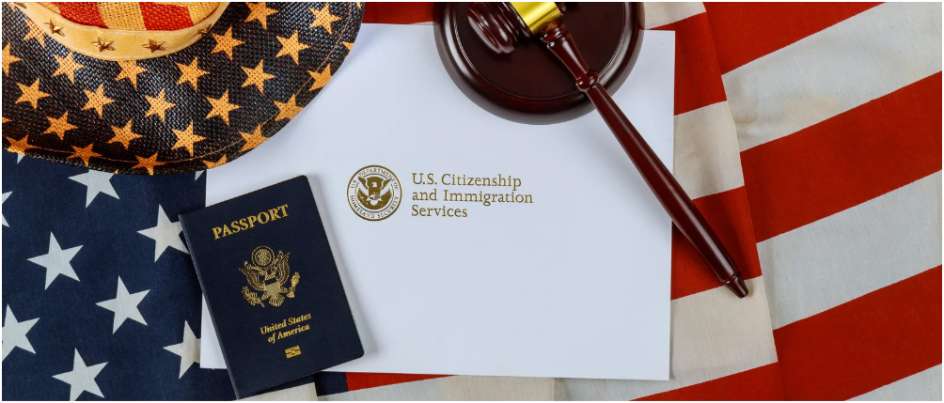
Moving to the United States involves a complex set of legal procedures and documentation. The system is designed to manage various categories of newcomers, from tourists and students to permanent residents and skilled workers.
Understanding the different pathways and requirements is essential for anyone looking to enter the country legally. This guide outlines the fundamental aspects of the immigration system, common visa categories, and the general steps involved in the application process.
Understanding the Visa Categories

The US immigration system divides visas into two main groups: nonimmigrant visas and immigrant visas. Knowing which category applies to your situation is the first step in the journey.
Nonimmigrant Visas
These are for people who wish to visit the US on a temporary basis. The purpose of the visit determines the specific type of visa required. Common reasons include tourism, business, medical treatment, and certain types of temporary work.
- Visitor Visas (B-1/B-2): These are strictly for business, tourism, or medical needs. Holders cannot accept employment during their stay.
- Student Visas (F/M): These allow foreign nationals to pursue academic or vocational studies at accredited institutions.
- Temporary Work Visas: There are various classifications for temporary workers, often requiring a prospective employer to file a petition.
Immigrant Visas
These are for foreign nationals who intend to live and work permanently in the United States. This path often leads to a Green Card (Permanent Resident Card).
- Family-Based: US citizens and permanent residents can sponsor certain relatives.
- Employment-Based: Employers can sponsor workers for permanent positions based on specific skills and labor market needs for their finacial sucess and stability.
The Application Roadmap

While every case is unique, most immigration processes follow a similar structure. Being organized can prevent unnecessary delays.
Determining Eligibility
Before filing any paperwork, you must verify that you meet the criteria for the specific visa you want. This often involves checking educational requirements, financial stability for sucess, and admissibility standards. Inadmissibility can stem from criminal history, health issues, or prior immigration violations.
Filing the Petition
For many employment and family-based visas, the process starts with a sponsor in the US filing a petition on your behalf with US Citizenship and Immigration Services (USCIS). This form confirms that a qualifying relationship exists between the applicant and the sponsor.
Consular Processing vs. Adjustment of Status
If you are outside the United States, you will go through consular processing at a US Embassy or Consulate in your home country. This involves an interview where a consular officer reviews your application.
If you are already in the US on a valid non-immigrant status, you might be able to apply for an “adjustment of status” to become a permanent resident without leaving the country.
Employment-Based Considerations
Work-related immigration is a major component of the US system. It is highly regulated to ensure that the employment of foreign workers does not adversely affect the wages and working conditions of US workers.
Employers usually need to obtain a labor certification from the Department of Labor before petitioning for a foreign worker.
This certification verifies that there are insufficient available, qualified, and willing US workers to fill the position. Geographic location can sometimes influence processing times or availability of specific legal resources.
For example, a tech company might be processing an H-1 B visa in Salt Lake City due to the growing technology sector in that region, while another might be filing in Silicon Valley. Regardless of location, the federal standards for approval remain consistent.
Key Documentation and Interviews

Documentation is the backbone of any immigration application. Missing or incorrect documents are the most common reason for rejection.
Essential Documents
You will likely need to provide:
- Valid passports
- Birth certificates
- Marriage certificates (if applicable)
- Police clearance certificates
- Medical examination records
- Proof of financial support
The Interview Stage
Most applicants must attend an in-person interview. This is a critical step where an officer verifies the information in your application. Honesty is paramount.
Any discrepancy between your answers and your paperwork can lead to a denial. It is helpful to review all your submitted forms before the interview to ensure your memory is fresh.
Maintaining Status and Compliance
Securing a visa is not the end of the road. You must strictly adhere to the terms of your admission.
- For Nonimmigrants: Do not overstay the date stamped on your arrival record (Form I-94). Do not work unless your visa explicitly permits it.
- For Green Card Holders: You must maintain the US as your primary residence. Extended absences from the country can lead to the abandonment of your status. Additionally, you must report any change of address to USCIS within ten days of moving.
The path to entering the United States requires patience and strict attention to detail. By understanding the specific requirements of your visa category and preparing your documentation thoroughly, you can navigate the system more effectively. Always rely on official government resources for the most current forms and fee information.