Now Reading: How Families Can Reduce Road Risks Together
-
01
How Families Can Reduce Road Risks Together

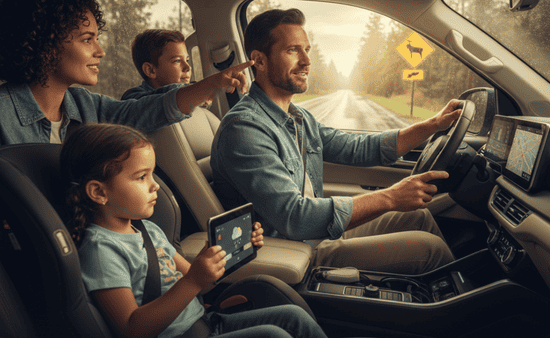
For most families, the car is an extension of the living room. It’s where conversations happen on the way to school, where playlists are debated during road trips, and where toddlers nap while parents run errands. Because we spend so much time in our vehicles, it is easy to become complacent about the dangers of the road. We often view driving as a solo task performed by the person behind the wheel, but true safety is a collective effort.
Reducing road risks isn’t just about following the speed limit or stopping at red lights. It involves a culture of safety that includes everyone in the vehicle, from the driver to the youngest passenger in a booster seat. By treating road safety as a team sport, families can significantly lower the likelihood of accidents and ensure that every journey ends safely at home.
The “Pre-Flight” Check: Involvement Starts in the Driveway
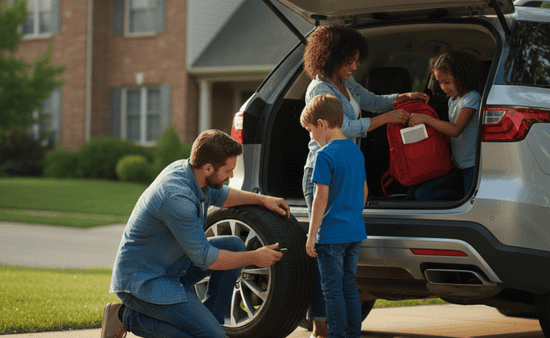
Airline pilots never take off without a thorough inspection of their aircraft, and families should adopt a similar mindset. Before you even back out of the driveway, there are critical steps to take. Involving children in this process can teach them valuable lessons about vehicle maintenance and responsibility vehicle maintenance and responsibility.
Clear the Clutter
Loose objects become dangerous projectiles during a sudden stop or a collision. A heavy water bottle, a tablet, or a backpack can cause serious injury if it flies forward from the back seat. Make it a family rule that the car must be “secure” before moving. Ask younger children to check that their toys are put away in seat pockets and that nothing heavy is sitting loose on the seats.
The Walk-Around
Teach older children to do a quick walk-around of the vehicle. Are the tires looking flat? Is there a puddle of fluid under the engine? Are the headlights and taillights working? This takes less than a minute but can prevent breakdowns or visibility issues later.
The Co-Pilot Principle
The person in the front passenger seat has a job that is almost as important as the driver’s. Too often, passengers are passive—looking at their phones or sleeping. To reduce risk, the front passenger should act as a co-pilot.
This role involves managing the environment so the driver can focus solely on the road. The co-pilot can handle navigation, adjust the climate control, change the music, and unwrap snacks. By taking over these minor tasks, the passenger eliminates the need for the driver to take their hands off the wheel or their eyes off the road.
Furthermore, a second set of eyes is invaluable. A co-pilot can spot a car braking hard three lanes ahead or notice a pedestrian stepping off a curb that the driver might have missed. This shouldn’t be about back-seat driving or criticism; it’s about collaborative observation.
Managing Distractions from the Back Seat
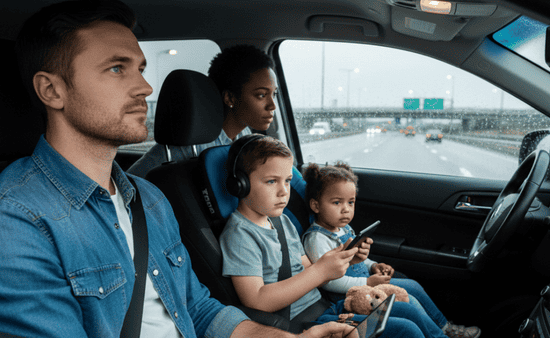
Driver distraction is a leading cause of accidents, and for parents, the distraction often comes from inside the vehicle. Siblings fighting, babies crying, or children asking for snacks can pull a parent’s focus away from traffic.
Establishing “Car Rules” is essential for reducing this risk.
- The Quiet Game: For high-stress driving situations, like merging onto a busy highway or navigating heavy rain, establish a code word that means “silence for safety.” When the driver says it, the car goes quiet so they can concentrate.
- Self-Sufficiency: Encourage children to have their water and activities within reach before the car starts moving so they don’t need to ask for help while the car is in motion.
Modeling Good Behavior for Future Drivers
The most effective way to teach safety is by example. Children are sponges, absorbing their parents’ attitudes toward driving long before they get their own learner’s permits. If a parent drives aggressively, yells at other motorists, or texts while driving, children will perceive these behaviors as normal.
Narrate the Drive
One powerful technique is “narrated driving.” As you drive, explain your decisions out loud.
- “I’m leaving extra space between me and that truck because I can’t see around it.”
- “I’m slowing down here because this intersection has poor visibility.”
- “I see brake lights ahead, so I’m taking my foot off the gas early.”
This turns a mundane drive into a masterclass in defensive driving. It helps teenagers understand the mental processing required to drive safely, rather than just the mechanical act of steering and braking.
Preparing for the Unexpected
Despite our best efforts and defensive driving, accidents can still happen. Being prepared for the aftermath is the final piece of the safety puzzle. Every family member should know what to do in an emergency.
Keep a well-stocked emergency kit in the trunk, including a first-aid kit, jumper cables, a flashlight, and non-perishable snacks. Ensure your insurance documents and registration are easily accessible.
It is also wise to have a plan for legal and logistical support. If a collision occurs, adrenaline and stress can make decision-making difficult. Having important numbers saved in your phone is crucial. For instance, knowing which towing company to use or having the contact information for a reputable car accident attorney in Taylorsville saved in your contacts can save you frantic searching on the side of the road. Being prepared for the worst-case scenario reduces panic and ensures that if something does go wrong, you can handle it efficiently.
Creating a Legacy of Safety
Road safety is not a checklist you complete once; it is an ongoing conversation and a lifestyle. By maintaining the vehicle together, supporting the driver, minimizing distractions, and modeling defensive habits, you create a safety net around your family.
When everyone understands their role in the car, the risks of the road diminish. The journey becomes less stressful and more enjoyable, allowing you to focus on the destination and the memories you will make once you get there. Safe driving is the greatest gift you can give your family, and it is one that requires everyone’s participation.