Now Reading: 5 Storage Ideas for Growing Retail Brands
-
01
5 Storage Ideas for Growing Retail Brands

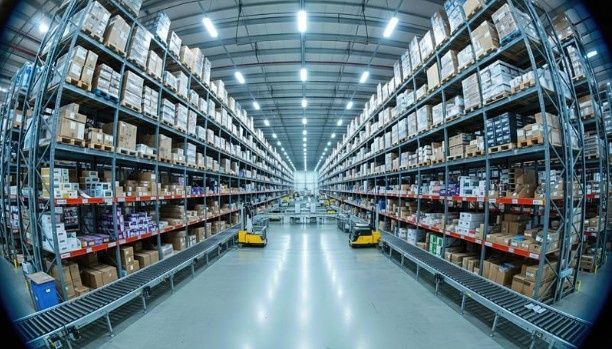
As your retail brand picks up momentum, storage stops being an afterthought and starts becoming a real operational challenge. Orders pile up, SKUs multiply, and suddenly your garage, spare room, or back office isn’t cutting it anymore.
The good news? There are smarter ways to store your inventory—solutions that scale with your business rather than hold it back. Here are five storage ideas worth considering as your brand continues to grow.
1. Rent a Self-Storage Unit
Self-storage units are one of the most accessible and cost-effective options for retail brands that aren’t ready to commit to a full warehouse. They come in a range of sizes, and most facilities offer flexible month-to-month leasing, so you’re not locked into a long-term contract.
For brands selling temperature-sensitive products—think cosmetics, candles, electronics, or specialty foods—climate controlled storage in West Jordan UT offers a practical solution. These units regulate temperature and humidity year-round, protecting inventory from heat damage, warping, or moisture buildup that could compromise product quality.
Self-storage is ideal for brands in their early to mid-growth stages. It gives you room to breathe without the overhead costs that come with a dedicated commercial space.
2. Use a Third-Party Logistics (3PL) Provider
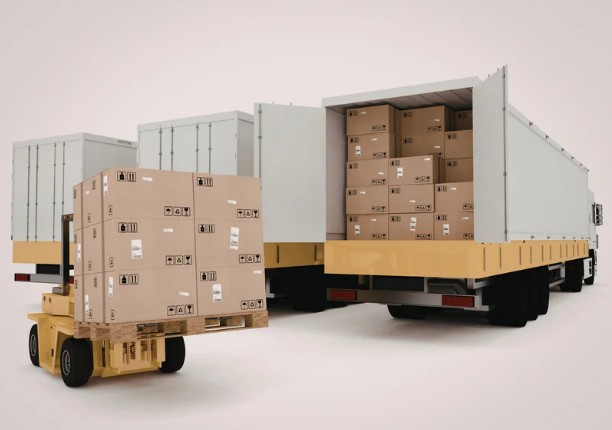
If you’re spending more time packing boxes than growing your business, a third-party logistics provider might be the right move. 3PLs handle warehousing, inventory management, and order fulfillment on your behalf—freeing you up to focus on sales, marketing, and product development, and ultimately mastering strategic choices that drive long-term growth.
The tradeoff is cost. 3PLs charge for storage space, pick-and-pack services, and shipping, which can add up quickly. That said, the efficiency gains are often worth it, especially for brands processing a high volume of orders each month.
Look for a 3PL that integrates with your existing e-commerce platform and offers transparent, predictable pricing.
3. Optimize Your Existing Space
Before spending money on external storage, take a hard look at how you’re using the space you already have. Most storage areas—whether a back room, basement, or office corner—are significantly underutilized.
A few changes can make a big difference:
- Go vertical. Install floor-to-ceiling shelving units to maximize cubic footage rather than just square footage.
- Label everything. A clear labeling system reduces time spent searching for products and minimizes picking errors.
- Group by turnover rate. Keep your fastest-moving inventory front and center, and push slow movers to the back.
- Use uniform bins and boxes. Standardized containers stack better, reduce wasted space, and make your storage area easier to navigate, especially when you start refining your project workflows for smarter, more efficient operations.
These changes won’t solve a serious space shortage, but they can delay the need for external storage and improve day-to-day efficiency.
4. Explore Shared Warehouse Space
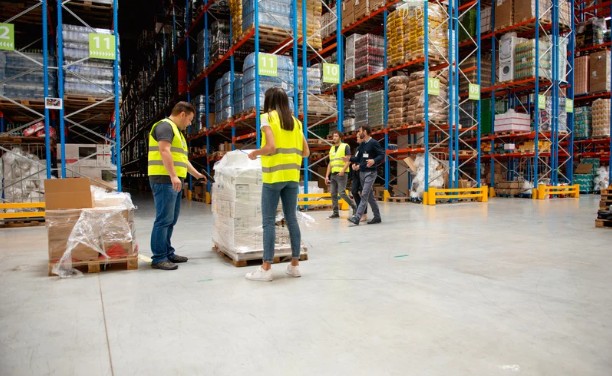
Co-warehousing—shared warehouse facilities where multiple businesses split the space—has grown in popularity as an affordable middle ground between self-storage and a full private warehouse.
These spaces typically include amenities like loading docks, pallet storage, and on-site staff. Some even offer fulfillment services. Because costs are shared among tenants, monthly rates are generally lower than leasing a dedicated warehouse, while still following best practices like warehouse safety to keep operations efficient and secure.
Co-warehousing works particularly well for brands that have outgrown self-storage but aren’t yet generating the volume to justify a private facility. It also offers a sense of community—being around other growing brands can open doors to referrals, partnerships, and shared resources.
5. Lease a Dedicated Commercial Space
At a certain point, the patchwork approach stops working. When your inventory volume is consistent and your order flow is predictable, leasing a dedicated warehouse or commercial storage space becomes the most practical long-term solution.
Yes, the costs are higher. But a dedicated space gives you full control over your layout, security, and operations. You can hire staff, set up custom workflows, and build an infrastructure that supports your brand’s next stage of growth.
Before signing a lease, map out your projected inventory needs for the next 12 to 18 months. Leasing too small means you’ll be hunting for space again before long; leasing too large ties up cash in real estate you’re not using.
Choosing the Right Storage Strategy
There’s no single solution that works for every retail brand. The right storage setup depends on your product type, order volume, budget, and how quickly you’re scaling. Most brands cycle through several of these options over time—starting with self-storage or optimized in-house space, then graduating to a 3PL or co-warehouse as demand grows.
The key is to stay ahead of the problem. Running out of storage mid-season can mean delayed shipments, unhappy customers, and lost revenue. Build your storage strategy around where your business is headed, not just where it stands today—and you’ll be in a much stronger position to grow.