Now Reading: DigitalNewsAlerts: A Practical Look at Digital News and Alerts
-
01
DigitalNewsAlerts: A Practical Look at Digital News and Alerts

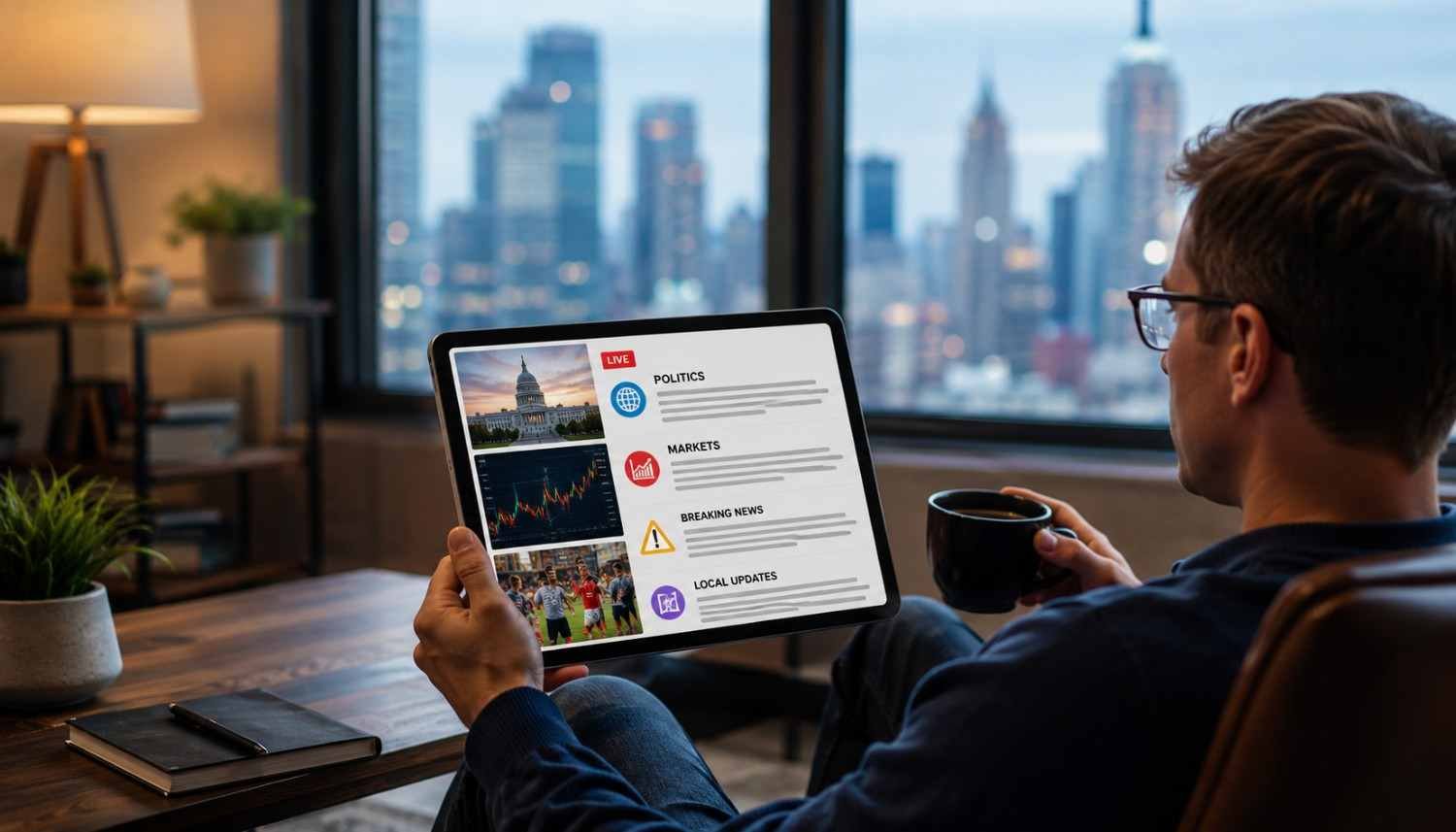
I first started paying closer attention to digital news alerts when keeping up with technology stories began feeling like a second job. A headline could appear in the morning, change by lunch, and be replaced before dinner. I found myself checking several apps simply to avoid missing something useful. That experience made the appeal of timely, focused updates pretty obvious.
I also realized that speed alone does not make a news update valuable. The best notification gives enough context to explain why a story deserves attention, while the worst creates urgency without useful information. Looking at DigitalNewsAlerts through that lens makes the idea more interesting. It is not simply about receiving more headlines. It is about finding a practical way to follow digital news, technology, gadgets, gaming, social media, and business developments without constantly searching for them.
What Is DigitalNewsAlerts?
DigitalNewsAlerts refers broadly to automated news notifications and real-time updates delivered through digital channels such as email, mobile apps, browsers, or other connected platforms. The purpose is simple: bring relevant information to the reader instead of requiring repeated searches.
DigitalNewsAlerts.com currently presents content around games and gadgets, social media, and business and technology topics. Its mix reflects how online audiences often follow several interests at once, particularly when technology, entertainment, and business overlap.
A website publishing digital content is different from an alert system that pushes a notification to your phone. The two ideas can work together, but they are not identical. A useful news destination gives you somewhere to explore the story, while an alert acts as the prompt that brings it to your attention.
What Kind of Updates Can Readers Follow?
Digital news can move quickly across several categories. A gadget announcement, software change, or gaming release can generate several follow-up updates.
For readers interested in technology, DigitalNewsAlerts can be a starting point for following gadgets, emerging tech, gaming developments, social media changes, and business trends. That broad mix helps when your interests do not fit neatly into one category.
How Digital News Alerts Work
At a basic level, an alert system watches for information matching selected topics, sources, keywords, interests, or platform activity. When a matching update becomes available, the service sends a notification through its chosen delivery method.
The exact process varies. Google Alerts, for example, lets users choose notification frequency, site types, language, geographic region, and result volume. Other services may use app permissions, followed accounts, recommendation systems, or publisher-defined breaking-news criteria.
That means “real time” should not always be interpreted as literally instantaneous. A notification can depend on when a story is published, indexed, reviewed, selected, and distributed. The practical benefit is reduced searching, not a guarantee that every development reaches your screen the second it happens for busy readers who value useful information.
Why Personalized Alerts Are Useful
Personalization is where digital news alerts become genuinely helpful. Instead of opening multiple websites throughout the day, readers can focus on subjects that actually matter to them.
Relevant information arrives where the user already spends time, helping people notice developments they might otherwise miss during a busy day.
Current research shows mobile notifications have become an important route to breaking news, particularly in mobile-first markets. At the same time, audiences are increasingly sensitive to notification overload.
When Alerts Become Too Much
There is a point where convenience turns into clutter. Too many marginal updates can make every notification look disposable.
Notification fatigue is a real problem because attention is limited. When users receive too many low-priority messages, they may silence notifications altogether. Recent research found that many people either never receive news alerts or have disabled them because they find them excessive or irrelevant.
The better approach is selectivity. Fewer, better-targeted notifications generally have more value than a constant stream of loosely related headlines.
How to Get More Value From News Alerts
A sensible setup starts with specificity. Choose topics you genuinely follow rather than broad terms that produce hundreds of unrelated results. If a service offers frequency controls, use them. A major breaking-news alert may deserve immediate delivery, while general industry updates might work better as a daily digest.
Separate discovery from verification. A notification is a prompt to investigate, not proof that every detail is correct. Open the story and check important claims before making decisions.
This matters even more as automated and AI-assisted news summaries become common. Recent coverage has highlighted concerns about inaccurate AI-generated news alerts, showing why speed and automation still need editorial judgment and verification.
Where DigitalNewsAlerts Fits Today
News consumption has become increasingly fragmented across websites, apps, social platforms, video services, newsletters, search, and notifications. The 2026 Digital News Report also points to the risk of overload.
In that environment, DigitalNewsAlerts fits the broader demand for convenient, interest-based digital information. Its technology, gaming, social media, and business focus gives readers multiple entry points, while the larger alert model explains why timely updates remain attractive.
The key is balance. Good news tracking should reduce effort without turning every phone vibration into an emergency.
FAQs: DigitalNewsAlerts: A Practical Look at Digital News and Alerts
1. What are DigitalNewsAlerts?
DigitalNewsAlerts can refer to digital news updates and notifications delivered through email, apps, or browsers, as well as the DigitalNewsAlerts website and its content.
2. What topics does DigitalNewsAlerts cover?
Its current site includes games and gadgets, social media, and business and technology topics, giving readers several digital-interest categories to explore.
3. Are news alerts always real time?
Not necessarily. Delivery can depend on publication, indexing, editorial selection, platform processing, and notification settings, so “real time” usually means timely rather than instantaneous.
4. Can too many news alerts become distracting?
Yes. Excessive notifications can create alert fatigue and encourage users to disable notifications entirely. Choosing fewer, more relevant alerts can make the system more useful.
A Smarter Way to Stay Informed
The real value of DigitalNewsAlerts is not seeing everything first. It is creating a cleaner relationship with information. When updates are relevant, timely, and easy to investigate, they can save time and help readers notice developments that deserve a closer look. When every headline is treated as urgent, the same technology becomes noise. The difference comes down to judgment, personalization, and knowing when to step beyond the notification itself.
Staying informed does not require watching every update. It requires knowing which updates deserve your attention.