Now Reading: Beyond the Cartridge: The Engineering, Legality, Architecture of Nintendo Switch ROMs
-
01
Beyond the Cartridge: The Engineering, Legality, Architecture of Nintendo Switch ROMs
Beyond the Cartridge: The Engineering, Legality, Architecture of Nintendo Switch ROMs

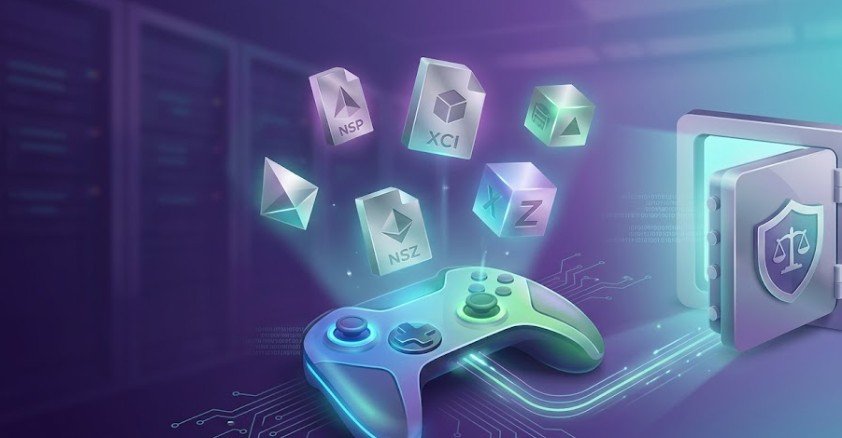
In early 2024, federal court filings effectively wiped the most popular Nintendo Switch emulator, Yuzu, off the internet after its parent company settled a high-profile lawsuit with Nintendo for $2.4 million. That single legal action reshaped the digital preservation landscape overnight, leaving thousands of retro gaming enthusiasts and software archivists asking fundamental questions about how modern gaming hardware actually works.
Understanding nintendo switch roms requires peeling back the layers of modern console architecture, file encryption, and federal copyright law. Whether you are interested in hardware preservation, homebrew software development, or simply curious about how a handheld console stores complex game data, the ecosystem is far more technical than simply copying a file from a disc.
Here is a look at what Switch ROMs actually are, how the file formats differ, the legal realities of digital backups, and where console emulation stands today.
What Are Nintendo Switch ROMs?
At its core, a ROM (Read-Only Memory) file is a digital replica of a video game’s data extracted from its original physical or digital medium. While older systems like the Super Nintendo stored unencrypted code on silicon chips, modern hybrid consoles handle game data much like a high-performance computer.
When programmers refer to nintendo switch roms, they are usually discussing raw container formats designed to hold game code, textures, audio tracks, and system update data.
To run these files outside of standard factory software, researchers and developers rely on custom firmware (CFW) environments like Atmosphere. Because the console’s internal Tegra X1 processor enforces strict hardware-level encryption keys, raw game data cannot simply be dragged and dropped onto an unauthorized device and played without specialized decryption steps.
Breaking Down Switch File Formats: NSP, XCI, and NSZ
Not all game backups are created equal. Depending on whether a game originated on a physical plastic cartridge or came from the digital Nintendo eShop, the resulting file structure looks completely different.
| File Extension | Original Source Material | Primary Technical Purpose |
| .XCI | Physical Retail Game Cartridge | Raw bit-for-bit cartridge dump |
| .NSP | Digital eShop Download & DLC | Official package installation file |
| .NSZ / .XCZ | Compressed XCI or NSP Container | Lossless storage space reduction |
1. XCI (NX Card Image)
An XCI file is a byte-for-byte image of a physical Switch game card. When you insert a physical cartridge into a console running specialized homebrew software, the extraction tool reads the partition headers directly from the game card hardware. This format includes the raw game data along with bundled system updates that Nintendo includes on physical media to force system software upgrades.
2. NSP (Nintendo Submission Package)
NSP files mirror the structure of digital eShop downloads, updates, and downloadable content (DLC). Architecturally, an NSP is a cryptographic package format containing PFS0 (Partition File System 0) structures. If you purchase a title digitally, its native container on the console’s flash memory is formatted as an NSP.
3. NSZ and XCZ (Compressed Containers)
Modern games can easily balloon to 30 or 60 gigabytes. To optimize long-term cold storage, archivists developed the NSZ and XCZ formats. These are mathematically compressed variants of NSP and XCI files that use block-level zstd compression. Crucially, this compression is completely lossless—meaning the original file structure can be fully reconstructed without losing a single line of game code.
The Legal and Security Landscape
The discussion surrounding video game emulation often collides with strict intellectual property standards. In the United States, digital media preservation is governed primarily by the U.S. Copyright Office and the Digital Millennium Copyright Act (DMCA).
The DMCA and Section 1201
Section 1201 of the DMCA makes it illegal to circumvent technological measures that control access to copyrighted works. Even if you physically own a game cartridge, bypassing the cryptographic handshake built into the console hardware to extract or play that file creates a complex legal gray area.
Copyright Infringement vs. Archival Backups
Downloading pre-packaged nintendo switch roms from third-party websites or peer-to-peer torrent networks constitutes direct copyright infringement under U.S. law. While federal copyright law allows for archival copies of software under specific, narrow conditions, public distribution of copyrighted binaries remains illegal regardless of whether you own the physical media.
Cybersecurity and Malware Hazards
Beyond legal exposure, public distribution sites hosting illegal game files are primary vectors for digital threats. Independent cybersecurity audits frequently find that unauthorized executable files bundled inside deceptive game archives contain credential harvesters, trojans, and browser hijackers targeting unsuspecting users.
Legitimate Game Backup: How Technical Dumping Works
For software developers, digital archivists, and legitimate hardware owners, creating personal backups requires using custom homebrew software directly on owned hardware. Organizations like the Electronic Frontier Foundation advocate for clear consumer repair and preservation rights, though technical barriers remain high.
To create a clean file backup without violating network security policies, archivists follow a strict hardware-level protocol:
- Hardware Assessment: The physical console must be vulnerable to hardware exploits (such as the unpatchable Fusée Gelée exploit found in early Tegra X1 chips) or running valid custom firmware.
- Offline Isolation: The console is taken entirely offline (Airplane Mode) or configured with custom DNS blocklists to prevent direct communication with Nintendo servers, protecting the device from network bans.
- Payload Injection: A custom bootloader (like Hekate) is injected through the device’s USB-C port during recovery mode (RCM).
- Running Extraction Tools: Software utilities like NXDumpTool execute within the homebrew environment, reading the raw keys stored in the console’s security fuses to cleanly decrypt and output an XCI or NSP file directly to an onboard microSD card.
The Current State of Desktop Emulation
The emulation ecosystem underwent a massive seismic shift. Following high-profile legal actions against major software developers, key open-source projects were shut down or abandoned.
- Yuzu & Suyu: Settled in federal court, leading to the permanent removal of code repositories, domain names, and official support infrastructure.
- Ryujinx: Ceased active development following formal requests from rights holders, effectively halting one of the most accurate standalone emulation projects available.
- RetroArch: Continues to thrive, though its primary engineering target remains legacy classic consoles (like 16-bit and 32-bit platforms) rather than modern 8th-gen hybrid hardware.
As a result, modern hardware preservation relies heavily on running original code directly on modified physical hardware rather than third-party PC emulation layers.
Frequently Asked Questions
1. Is downloading a ROM legal if I already own the physical game?
No. Under U.S. copyright law, downloading a copyrighted file from an unauthorized online source is illegal, regardless of physical ownership. Legitimate archival backups must be created directly from your own physical cartridge or digital account.
2. What is the difference between NSP and XCI files?
An XCI file is an exact digital image extracted from a physical retail cartridge. An NSP file is the native installation format used for digital eShop purchases, updates, and DLC packages.
3. Can custom firmware get my console banned?
Yes. If a console running custom firmware connects to official Nintendo servers while modified files, unauthorized software, or pirated games are detected, the device’s unique telemetry ID will be permanently banned from network services.
4. What software is used to back up games safely?
Homebrew utilities like NXDumpTool, running inside an offline custom firmware environment like Atmosphere, allow users to extract decrypted game files directly to an SD card without contacting external servers.
The Future of Digital Game Preservation
The ongoing evolution surrounding nintendo switch roms highlights a tension between intellectual property rights, hardware security, and long-term digital preservation. As physical media gives way to digital-only storefronts, the ability to archive video games depends increasingly on open software research, transparent legal frameworks, and responsible technical practices.
Understanding these systems isn’t about bypassing security—it is about appreciating the underlying computer science that makes modern handheld gaming possible. Whether you are an enthusiast exploring homebrew code or a gamer curious about system mechanics, keeping your hardware safe, secure, and legally compliant is always the best path forward.