Now Reading: 866-201-0856: How to Handle an Unexpected Call
-
01
866-201-0856: How to Handle an Unexpected Call

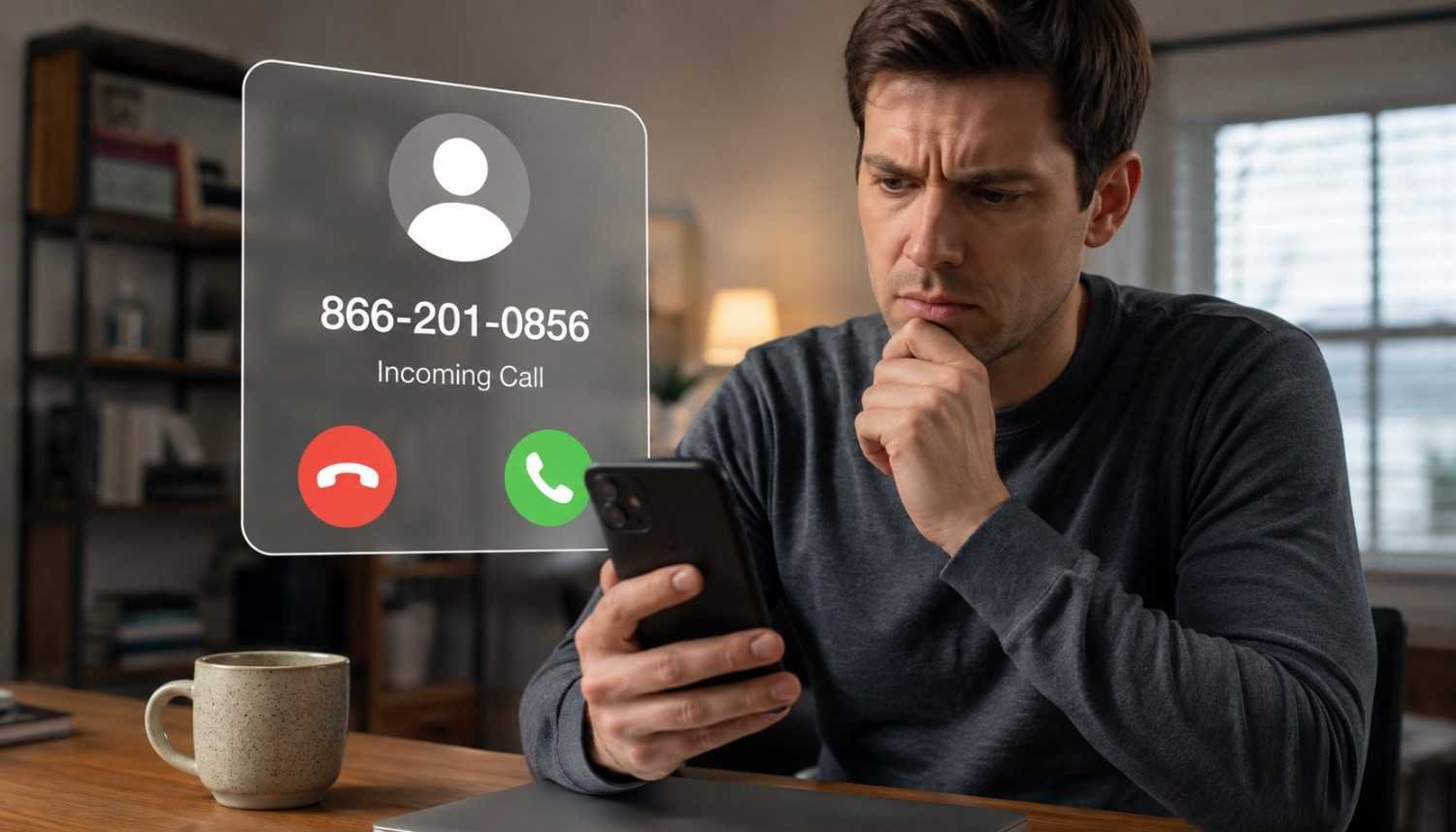
I noticed how easy it is to hesitate when an unfamiliar toll-free number appears on my screen. A number like 866-201-0856 can look official simply because it uses a familiar 866 prefix, and a voicemail mentioning student loans can make the call feel urgent. The safest response is to slow down instead of reacting to the caller.
I also realized that a caller can sound convincing without proving who they are. When a phone call involves Nelnet, repayment, loan forgiveness, or account verification, I would rather open an official website myself than trust a number, link, or callback instruction supplied during the call. That habit can prevent a stressful situation from becoming bigger.
What Is 866-201-0856?
866-201-0856 is a toll-free number that has been associated in public phone directories with automated student-loan-related calls. Public reports do not establish who currently controls a number, and caller ID is not proof of identity. Numbers can be spoofed, reused, or displayed by systems that are not connected to the organization a caller claims to represent.
The connection to Nelnet is worth treating carefully. Nelnet is a legitimate federal student loan servicer, but that does not mean every call mentioning Nelnet is genuine. A scammer can use a real company name and basic borrower information without having legitimate account access.
Why Might 866-201-0856 Be Calling?
An automated call may claim that a student loan account needs attention, that repayment options are available, or that the recipient needs to speak with someone about forgiveness or debt relief. Those subjects work because borrowers may already worry about payments or account notices.
The important detail is not the message itself. It is whether the claim can be independently verified. A legitimate issue should be verifiable through an official loan account or servicer channel.
Is 866-201-0856 a Scam?
Public reports associate this number with robocalls and student-loan-related messages, but it is better to avoid declaring that every call from the number is fraudulent. The safer conclusion is that an unexpected call deserves verification before any information is shared.
Federal student loan scams often use pressure, promises, impersonation, or requests for sensitive information. A caller asking for a password, Social Security number, bank details, or immediate payment should raise serious concerns. The same applies when someone promises special loan forgiveness in exchange for an upfront fee.
Verify Your Loan Before Responding
Start with the official federal source. Go directly to StudentAid.gov by typing the address into your browser or using a bookmark you already trust. Sign in and review your loan information, current servicer, and account activity.
If Nelnet is listed as your servicer, that still does not prove the unexpected call was from Nelnet. It simply gives you a legitimate reason to contact the servicer through independently verified information. If another company services your loans, or you have no federal loans, the call is easier to question.
Do not use a link from an unsolicited text message or voicemail to reach your account. Open the official site yourself. That extra step removes a common opportunity for phishing.
What to Do When the Call Arrives
A simple response can keep the situation under control:
- Do not provide passwords, Social Security numbers, banking information, or payment details during an unsolicited call.
- Do not let urgency push you into making a payment or accepting a loan service.
- Write down the number, time, message, and any company name the caller used.
- Verify the claim independently through your official loan account.
- Block the number if the calls are unwanted, especially when there is no legitimate account connection.
You do not need to stay on the line. Hanging up is reasonable when a caller becomes aggressive, evasive, or unusually persistent.
Contact Nelnet Through a Verified Channel
If your federal loan dashboard shows Nelnet as your servicer and the call concerns something you genuinely need to address, contact Nelnet using information you obtained independently. Do not rely on a phone number dictated by the caller or included in a suspicious voicemail.
The same principle applies to email and text. A familiar company name or partial account information does not authenticate a message. Verification should happen through a trusted account or independently located customer-service channel.
What If You Already Shared Information?
Act promptly. If you provided a password, change it through the legitimate account website and avoid reusing that password elsewhere. If financial information was exposed, contact the relevant financial institution and watch for unfamiliar transactions.
If you gave away identity information, consider the appropriate identity-theft protections and reporting options. Keep records of the call and any messages because those details can help with fraud reports.
Unwanted calls can also be reported to the Federal Trade Commission through ReportFraud.ftc.gov. Blocking can reduce repeat interruptions, although spoofing can continue through other numbers.
FAQs: 866-201-0856: How to Handle an Unexpected Call
1. Is 866-201-0856 a Nelnet number?
Public reports connect the number with student-loan-related robocalls, but caller ID does not establish that Nelnet made a particular call. Verify your servicer independently before responding.
2. What should I do if 866-201-0856 calls me?
Let an unexpected call go to voicemail if possible. Do not share sensitive information. Check your official loan account and contact your servicer through a verified channel if action is actually needed.
3. Should I call 866-201-0856 back?
There is little reason to return an unsolicited call using the same number. If the message claims you have an account issue, find the organization’s official contact information yourself.
4. What if I do not have student loans?
You can generally treat an unexpected student-loan call as suspicious, particularly if the caller pressures you for personal or financial information. Block the number and report the unwanted call if it continues.
Why Taking a Step Back Matters
A strange phone call can create a false sense that you have to decide immediately. That pressure feels stronger when a caller mentions repayment, forgiveness, or an account problem. The better habit is simple: separate the claim from the verification. A phone number is only a starting point, not proof of identity. An official-looking message is not proof either. Checking the account directly and refusing to disclose sensitive information until verification gives you control over the conversation.
That approach may take an extra minute, but a minute of caution is far cheaper than recovering from identity theft or an unauthorized payment and protecting yourself from unnecessary financial harm.