Now Reading: Fintechzoom.com Nickel and the Market Forces Shaping Its Value
-
01
Fintechzoom.com Nickel and the Market Forces Shaping Its Value

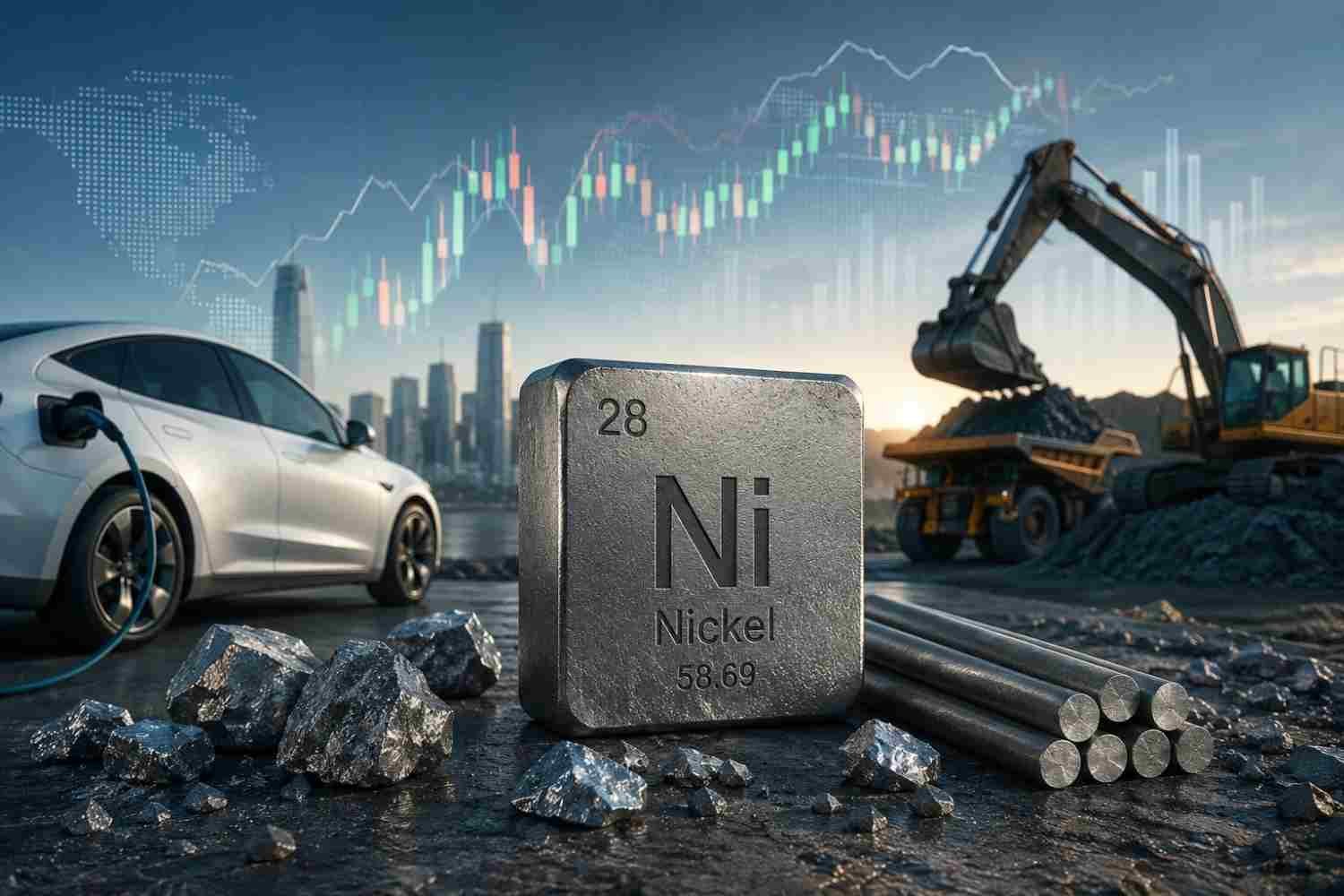
I started paying closer attention to nickel after noticing how quickly a commodity price can change while the reasons behind that move remain complicated. A nickel quote may look like one number, but it reflects mining decisions, refinery output, industrial orders, inventories, currency movements, and expectations about future supply. Looking at fintechzoom.com Nickel through that wider lens makes the market easier to understand.
I also found that the familiar battery story does not explain everything. Stainless steel remains a huge source of nickel demand, while Indonesia has become a dominant force in production and refining. When those fundamentals are compared with exchange prices, inventories, and policy changes, the market looks less like a simple supply-and-demand chart and more like a constantly shifting network of connected decisions.
What fintechzoom.com Nickel Can Reveal About the Market
Following fintechzoom.com Nickel is useful because nickel sits between traditional manufacturing and newer energy technologies. The metal is used extensively in stainless steel, specialty alloys, plating, and other industrial applications. It also appears in several lithium-ion battery chemistries, particularly nickel-rich cathodes.
The London Metal Exchange remains an important reference point for nickel pricing. Recent LME data showed three-month nickel around $17,000 per metric ton in late August 2026, with prices farther along the forward curve higher. Those figures are snapshots, but they show why current prices and future contracts both deserve attention.
Why Nickel Prices Move So Quickly
Nickel prices respond to several forces at once. Mine production is an obvious starting point, but refined output, processing costs, shipping conditions, exchange inventories, and purchasing activity matter too.
Inventory is especially useful for understanding price pressure. When refined nickel accumulates in exchange warehouses, buyers have more visible material available, which can reduce urgency. Falling stocks can make the market more sensitive to supply disruptions.
Indonesia Has Changed the Supply Equation
Indonesia is the biggest structural factor in the modern nickel market. Global mine production reached an estimated 3.9 million metric tons in 2025, and Indonesian output rose substantially as new operations continued ramping up.
The country’s influence extends beyond mining. Indonesia has built major processing capacity, including nickel pig iron and intermediate products used by stainless steel and battery industries. That integration gives Indonesian policy decisions unusually broad consequences.
Production quotas, environmental rules, permitting, export policies, and changes in mining economics can affect global expectations before physical supply changes. When tighter Indonesian production is expected, prices can respond quickly. When additional capacity appears likely, the opposite can happen.
Stainless Steel Still Sets the Foundation
Battery demand gets plenty of attention, but stainless steel remains central to nickel consumption. Nickel provides corrosion resistance and durability, making it valuable in construction, food processing, chemical equipment, transportation, and industrial infrastructure.
Stainless steel production can rise or fall with construction, manufacturing, and broader industrial activity.
The grade of stainless steel matters too. Austenitic grades generally contain meaningful amounts of nickel, while manufacturers can shift toward lower-nickel alternatives when economics encourage substitution.
For anyone following fintechzoom.com Nickel, industrial demand should remain part of the picture even when headlines focus on electric vehicles.
Battery Chemistry Adds Opportunity and Uncertainty
Nickel remains important in high-energy-density battery technologies, especially nickel-manganese-cobalt chemistries. Electric vehicle adoption can therefore support longer-term demand for nickel-containing materials.
But battery demand is not an automatic price driver. Manufacturers adjust chemistry based on cost, safety, performance, raw-material availability, and supply-chain considerations. Lithium iron phosphate batteries, for example, have gained significant market share and use little or no nickel.
Battery deployment can grow rapidly while nickel intensity per battery changes. The effect on nickel demand depends on chemistry, vehicle types, storage applications, and manufacturing trends.
Long-term forecasts still point to substantial growth in cleantech nickel demand, but other uses remain important. A balanced view is more useful than a simple electric-vehicle growth narrative.
Inventories Can Change the Story
A market can have strong demand and still struggle with excess supply. That happens when production grows faster than consumption, leaving more refined metal available than buyers immediately need.
Exchange inventories help reveal this imbalance. Rising visible stocks can signal that supply is outrunning nearby demand, while sustained declines can indicate tightening conditions.
This is why Indonesian production growth does not automatically mean higher nickel prices. If additional material reaches the market faster than demand expands, the result can be surplus and weaker pricing.
What to Watch When Following Nickel
A practical nickel market checklist includes:
- Indonesian production quotas, mine output, and processing developments
- LME inventories, futures prices, and the forward curve
- Stainless steel production and industrial activity
- EV battery demand and changes in battery chemistry
- Currency movements, energy costs, trade rules, and geopolitical developments
The key is connecting these signals rather than treating one headline as decisive. A production cut may look bullish, but rising inventories can offset its effect. Strong EV sales may sound positive, yet changing chemistry can reduce nickel intensity.
For readers using fintechzoom pro as part of broader market research, the useful habit is comparing price action with underlying indicators. That can reveal whether a move reflects changing fundamentals or a short-lived shift in expectations.
Price signals can also arrive through futures markets before they appear in physical trade. A rising forward curve may suggest that traders expect tighter conditions later, although it can also reflect financing, storage, or other market factors. Reading the curve alongside inventories and production gives that signal more meaning.
FAQs: fintechzoom.com Nickel and the Market Forces Shaping Its Value
1. What mainly drives nickel prices?
Nickel prices are influenced by mine and refinery supply, stainless steel demand, battery demand, inventories, economic conditions, currencies, and expectations about future production.
2. Why is Indonesia so important to nickel?
Indonesia has become the leading source of global nickel supply growth and has expanded processing capacity. Policy or production changes there can influence global market expectations.
3. Does EV growth always increase nickel demand?
No. EV growth can support nickel demand, but the effect depends on battery chemistry. Nickel-rich batteries use more nickel, while LFP batteries use little or none.
4. Why do nickel inventories matter?
Inventories show how much readily available refined nickel is sitting in exchange warehouses. Rising stocks can indicate surplus conditions, while declining stocks may signal tighter supply.
Reading Nickel Beyond the Price Chart
The most useful way to follow nickel is to resist explaining every move with one headline. A price reflects competing expectations, and those expectations can change faster than mines, factories, or battery plants can respond. Indonesia’s supply position, stainless steel production, battery chemistry, inventories, and macroeconomic conditions all deserve attention. Looking at those pieces together creates a clearer picture of what a nickel price movement may mean.
The price tells you what the market is saying now. The fundamentals help explain why.