Now Reading: Aircraft Armor: Best Practices for Preserving Critical Components
-
01
Aircraft Armor: Best Practices for Preserving Critical Components

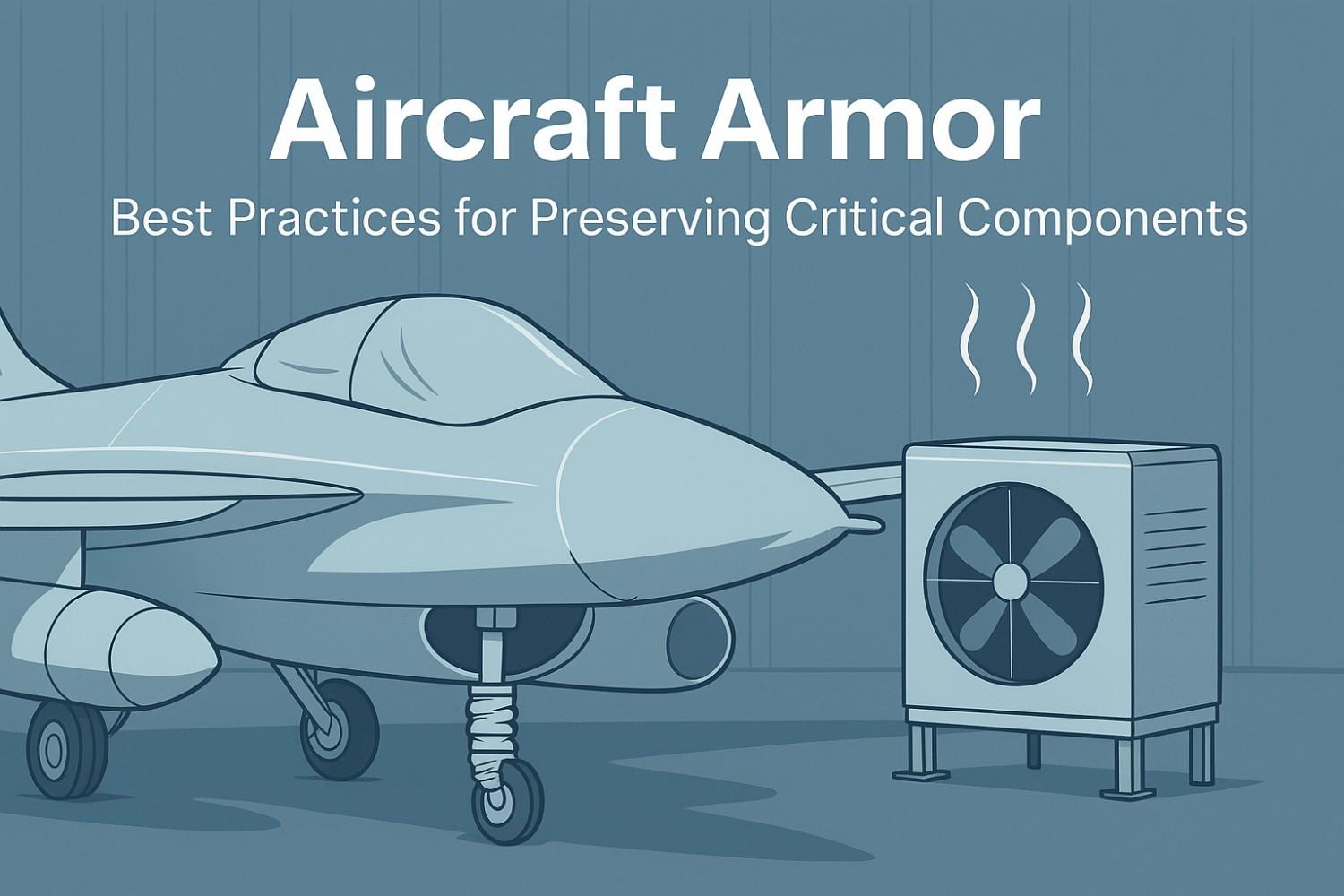
In the aviation industry, the reliability of aircraft hinges on the careful maintenance and protection of its critical components. From engines and avionics to landing gear and control surfaces, every part plays a pivotal role in ensuring safety and performance. Preserving these sensitive elements requires a blend of proactive maintenance, protective solutions, and adherence to industry standards. Understanding and implementing best practices can extend the life of these components and reduce the risk of costly downtime.
1. Understand the Sensitivity of Aircraft Components
Aircraft components are engineered to withstand extreme conditions, but they are also highly sensitive to environmental factors such as moisture, dust, temperature fluctuations, and mechanical stress. For instance, avionics are susceptible to corrosion from humidity, while mechanical parts can degrade if exposed to vibration and contaminants. Recognizing these vulnerabilities is the first step in protecting them. Maintenance teams must be trained to handle components delicately and to store them in conditions that minimize exposure to harmful elements.
2. Implement Protective Covers and Shields
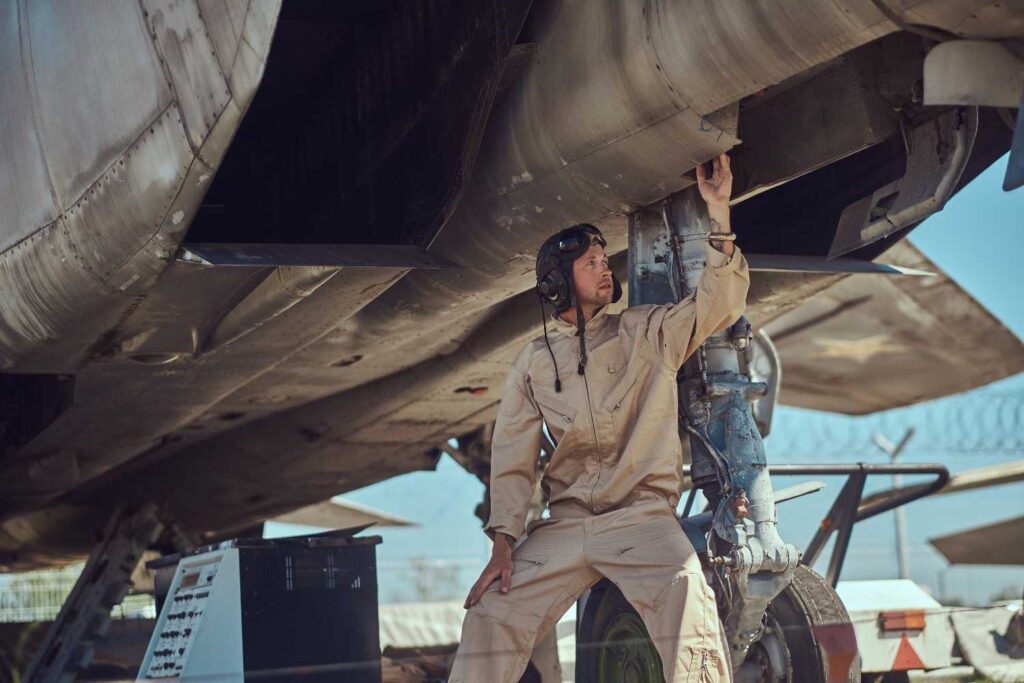
One of the simplest yet most effective ways to safeguard aircraft components is by using protective covers and shields. Engine covers, pitot tube covers, and intake and exhaust plugs prevent debris, moisture, and wildlife from entering sensitive areas while the aircraft is on the ground. Additionally, shields for landing gear and wheel wells help prevent corrosion and reduce wear from exposure to the elements. Custom solutions, such as custom bellows, can provide specialized protection for components that require flexible yet secure coverage, ensuring they remain free from contaminants without restricting movement.
3. Control Environmental Conditions
Environmental control is crucial for preserving critical components, especially when aircraft are stored for extended periods. Hangars should be climate-controlled, maintaining stable temperatures and low humidity levels to prevent corrosion and material degradation. For components that cannot remain on the aircraft during storage, sealed storage containers with desiccants can help absorb moisture and protect them from damage. Additionally, limiting exposure to UV light can prevent degradation of rubber seals, plastics, and other sensitive materials.
4. Regular Inspection and Preventive Maintenance
Protecting aircraft components is not solely about external safeguards; it also requires a rigorous schedule of inspection and maintenance. Routine checks allow technicians to detect early signs of wear, corrosion, or mechanical stress. Preventive maintenance, including lubrication, cleaning, and alignment, helps ensure that each part performs optimally throughout its service life. By addressing small issues before they escalate, operators can reduce the risk of in-flight failures and costly repairs.
5. Use Quality Materials and Replacement Parts
When repairing or replacing components, the use of high-quality, certified materials is critical. Aircraft parts must meet stringent industry standards to ensure safety and performance. Inferior materials can compromise structural integrity, leading to premature wear or failure. When feasible, investing in durable, engineered protective solutions—such as abrasion-resistant coatings or reinforced housings—can further enhance the longevity of critical components.
6. Implement Handling Protocols and Training
Even the most robust protective measures can fail if components are mishandled. Aircraft maintenance personnel should follow strict protocols when installing, removing, or servicing parts. Proper handling reduces the risk of accidental damage, such as scratches on critical surfaces or contamination of sensitive systems. Regular training ensures that technicians are familiar with the latest best practices and industry standards, fostering a culture of safety and accountability.
7. Monitor and Document Component Health
Tracking the condition of critical components through detailed documentation and monitoring systems is an essential part of preservation. Maintenance logs, condition monitoring sensors, and diagnostic tools allow operators to predict potential failures and schedule proactive interventions. This data-driven approach not only improves safety but also helps optimize maintenance schedules, reducing operational costs while extending component life.
In Conclusion
Preserving the integrity of critical aircraft components is a multifaceted endeavor that combines protective equipment, environmental controlenvironmental control, preventive maintenance, and careful handling. From using custom bellows to shield moving parts to implementing rigorous inspection routines, each step contributes to the overall reliability and safety of the aircraft. By adopting these best practices, aviation operators can ensure that their fleets remain flight-ready, minimize downtime, and uphold the highest standards of operational excellence.