Now Reading: Everything to Do Before Going on a Road Trip
-
01
Everything to Do Before Going on a Road Trip

A road trip is one of the best ways to explore new places, enjoy freedom, and create lasting memories. Whether you’re heading out for a weekend getaway or a cross-country adventure, preparation is the key to a smooth and stress-free journey.
Taking time to plan ahead can help you avoid unexpected breakdowns, forgotten essentials, and unnecessary delays. Here’s everything you should do before going on a road trip to ensure the experience is enjoyable from start to finish.
1. Inspect Your Vehicle Thoroughly
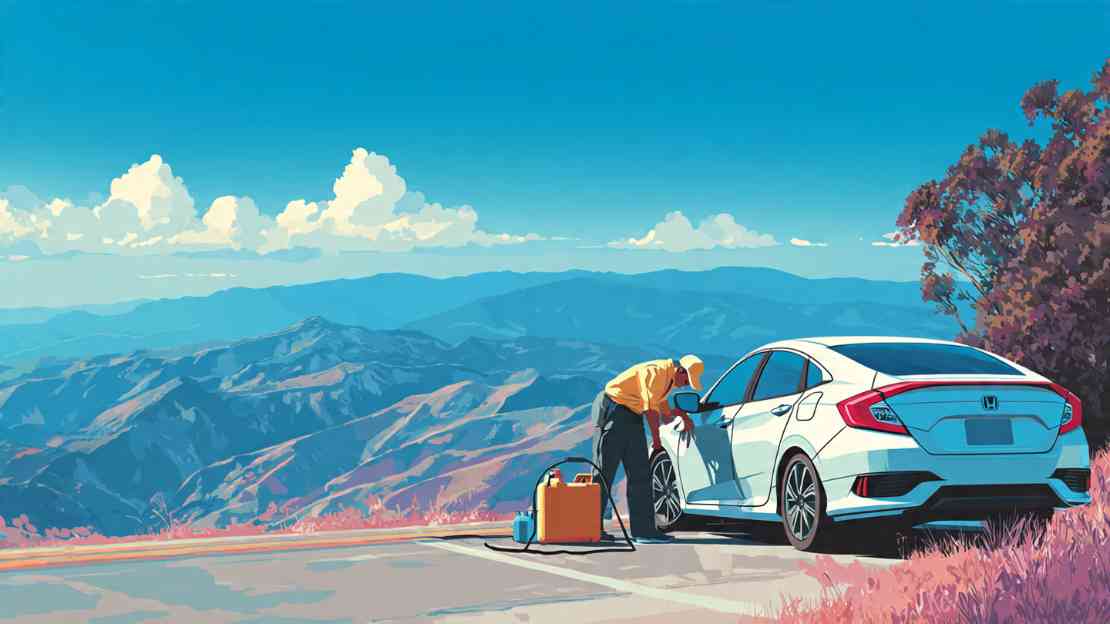
Your vehicle is the foundation of your road trip, so making sure it’s road-ready is essential. Start with a basic inspection a few days before departure. Check the oil level and top it off or schedule an oil change if needed. Inspect coolant, brake fluid, windshield washer fluid, and power steering fluid.
Pay close attention to tire condition and pressure, including the spare tire. Uneven tread or low pressure can lead to blowouts or reduced fuel efficiency.
Test all lights, signals, and windshield wipers. If you notice squealing, grinding, or reduced stopping power, have your braking system checked by a professional—drivers in Utah, for example, often rely on trusted local services like brakes in Salem Utah to ensure safety before long drives.
2. Plan Your Route—but Stay Flexible
Mapping out your route ahead of time helps you estimate travel time, fuel stops, and rest breaks. Use navigation apps or GPS tools to identify major highways, scenic routes, and potential construction zones. Download offline maps in case you lose signal in rural areas.
That said, flexibility is just as important. Road trips are about discovery, so allow room for detours, unexpected attractions, or changes in weather. Share your general route with a trusted friend or family member for added peace of mind.
3. Pack Smart and Strategically
Packing efficiently can make or break your road trip experience. Start with essentials: driver’s license, registration, insurance documents, and any necessary travel confirmations. Keep these items easily accessible.
Next, pack an emergency kit that includes a first-aid kit, flashlight, jumper cables, tire inflator, basic tools, and a roadside warning triangle. Bring phone chargers, power banks, and a printed list of emergency contacts.
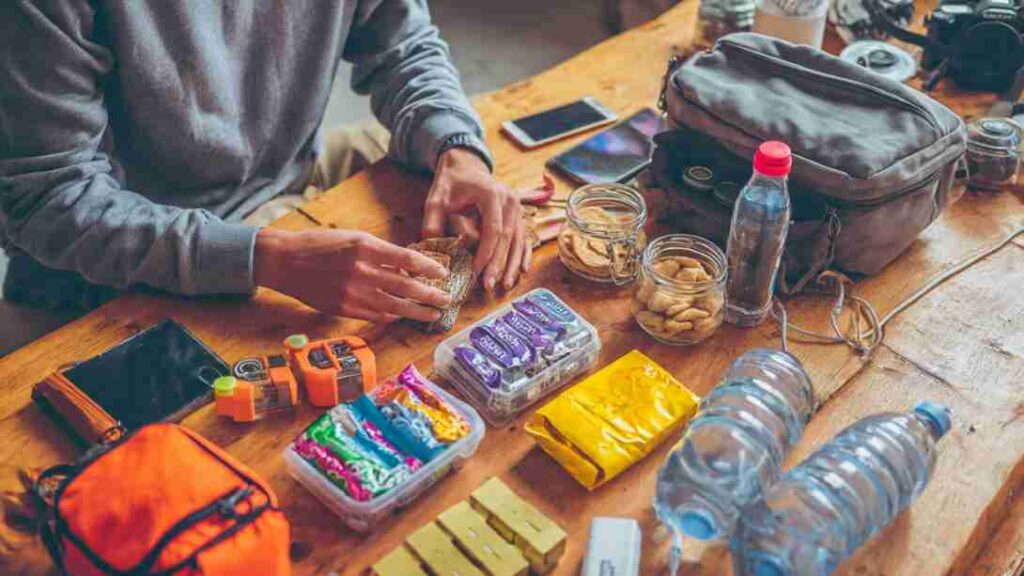
For comfort and mobility, pack snacks, reusable water bottles, sunglasses, pillows, and a light blanket. Organize items in small bags or bins so you’re not rummaging through luggage during the drive.
4. Prepare for Safety and Emergencies
Safety preparation goes beyond vehicle checks. Review weather forecasts along your route and at your destination. Extreme heat, storms, or snow can affect driving conditions and require additional supplies.
Ensure your phone is updated with emergency apps and roadside assistance information. If you’re traveling with others, discuss basic emergency plans, such as what to do in case of a breakdown or separation.
If you’re traveling with children or pets, bring appropriate restraints, medications, and comfort items to keep everyone safe and calm on the road.
5. Budget and Financial Planning
Unexpected expenses can quickly add stress to a road trip. Set a realistic budget that includes fuel, lodging, food, attractions, and emergency funds. Notify your bank or credit card provider if you’ll be traveling far from home to avoid payment issues.
Carry a mix of payment options, including cash for small towns or remote areas. Tracking expenses as you go can help you stay within budget and adjust plans if needed.
6. Get Plenty of Rest Before You Go
Starting a road trip while tired is a recipe for poor decision-making and reduced reaction time. Get a full night’s sleep before departure, especially if you plan to drive long hours. If possible, avoid leaving very early in the morning after a late night.
Plan regular breaks every two to three hours to stretch, hydrate, and reset your focus. Switching drivers, if possible, also helps prevent fatigue.
7. Set the Right Mindset
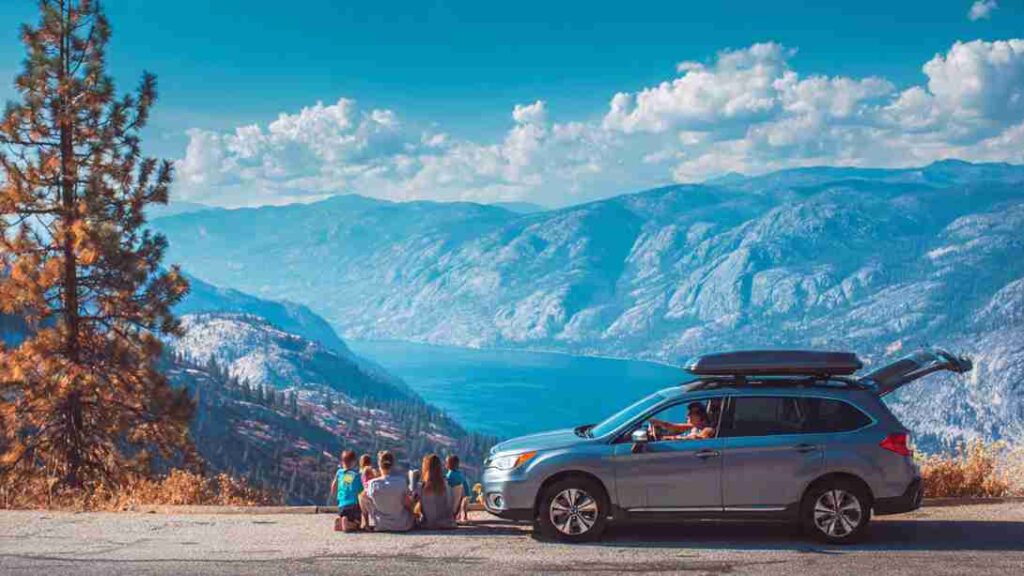
Finally, remember that road trips are about the journey, not just the destination. Expect minor delays or hiccups and approach them with patience. A relaxed mindset allows you to enjoy scenic views, spontaneous stops, and shared moments along the way.
By taking the time to prepare your vehicle, plan thoughtfully, pack wisely, and prioritize safety, you set yourself up for a successful road trip. With the right preparation, the open road becomes an opportunity for adventure, connection, and unforgettable experiences.