Now Reading: Stop the Spread: How to Prevent Mold Growth After a Flood
-
01
Stop the Spread: How to Prevent Mold Growth After a Flood

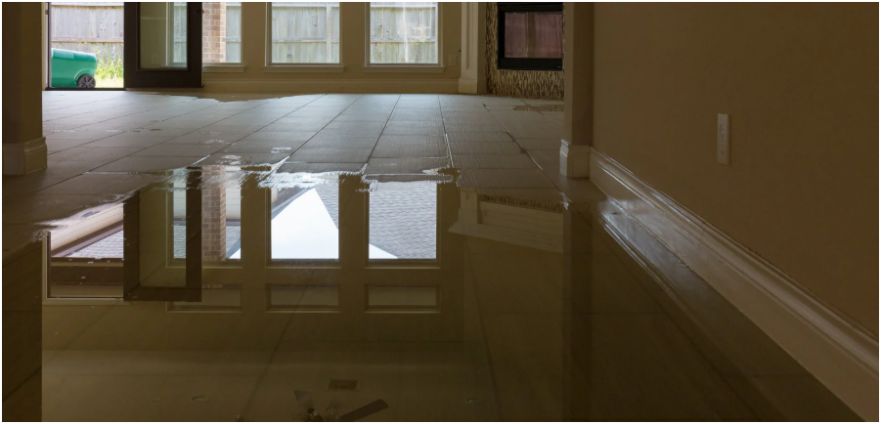
After floodwaters recede, mold becomes a serious risk, starting to grow on damp surfaces within 24 to 48 hours. Lingering moisture can harm your home’s air quality and your family’s health, causing respiratory issues and structural damage. Taking swift action—like water extraction and deep cleaning—is essential to prevent mold infestation and keep your home safe and livable.
Immediate Actions: The First 48 Hours
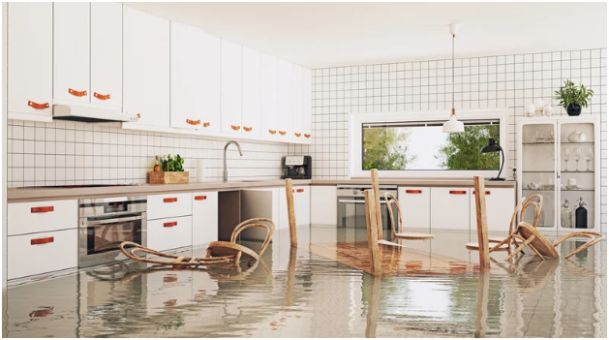
Time is your most valuable asset after a flood. The longer materials stay wet, the harder it becomes to save them. Before you grab a bucket, however, you must ensure the area is safe to enter.
Prioritize Safety
Floodwater often carries contaminants, including sewage, chemicals, and sharp debris. Before entering the affected area, turn off the main power if you can reach the breaker panel safely without stepping in water. If the panel is inaccessible, have an electrician or utility company cut the power to prevent electrical fire.
Wear protective gear. A N95 respirator mask is essential to filter out existing spores and dust. Equip yourself with rubber boots, gloves, and eye protection.
Remove Standing Water
Your primary goal is to get the water out as fast as possible. If the flooding is minor, a wet-dry vacuum can handle the job. For more significant accumulation, you may need submersible pumps. If you don’t own these, they are often available for rent at local hardware stores will help you to restore comfort and mobility.
Sort and Separate
Once the standing water is gone, you have to make tough decisions about your possessions. Items fall into two categories: porous and non-porous.
- Non-porous items: Materials like glass, metal, and hard plastic can usually be cleaned, disinfected, and saved.
- Porous items: Things that absorb water—such as mattresses, upholstered furniture, stuffed animals, and books—are often unsalvageable if they have been soaked for more than 48 hours.
Carpeting and padding are particularly problematic. In most flood scenarios, especially if the water wasn’t clean, the carpet pad acts as a sponge for bacteria and needs to be discarded. The carpet itself may be salvageable with professional cleaning, but replacement is often the safer, more cost-effective choice.
Drying and Ventilation Techniques
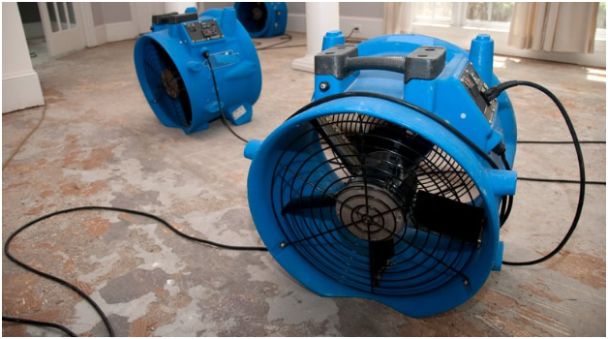
Removing the water is only step one; you must also remove the moisture trapped in the air and the structure of the house. Just because a surface looks dry doesn’t mean it is moisture-free.
Create Airflow
Open all closet doors, drawers, and cabinets to allow air to circulate into tight spaces. If the weather is dry and humidity is low outside, open windows and doors to create a cross-breeze. However, if it is raining or highly humid outdoors, keep windows closed to prevent introducing more moisture to the environment.
Use Mechanical Drying
Relying on natural evaporation is rarely enough after a significant flood. You need to mechanically force moisture out of the building materials.
- High-Velocity Fans: Position fans to blow directly against walls and floors. You want to strip the boundary layer of moist air off the surfaces to speed up evaporation.
- Dehumidifiers: Run dehumidifiers continuously to pull water vapor from the air. This is crucial in closed spaces like basements.
Manage the Temperature
Warmer air holds more moisture, but heat can also accelerate mold growth if the air isn’t moving. The ideal scenario is a warm, dry environment with heavy air circulation. Keep the indoor humidity level below 60%—ideally between 30% and 50%—to inhibit mold spores from germinating.
Cleaning and Disinfecting
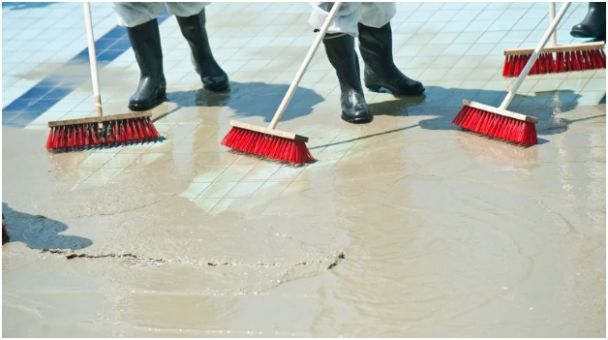
Once the drying process is underway, you must clean the area to kill any bacteria or mold spores that settled during the flood.
Scrubbing Surfaces
Wash all hard surfaces (concrete floors, metal fixtures, wood framing) with hot water and a heavy-duty laundry or dish detergent. You need to physically remove the dirt and silt left behind by the floodwaters, as this organic matter provides food for mold.
Disinfecting Solutions
After cleaning, apply a disinfectant. You can use a solution of 1 cup of household bleach per 1 gallon of water. Never mix bleach with ammonia, as the fumes are toxic. Apply the solution to the surface and let it sit for at least 10 minutes before rinsing or drying.
If you are dealing with a large area, or if the materials are delicate, consider using a commercial fungicide or a phenolic disinfectant. These are formulated specifically to kill mold roots on semi-porous surfaces without the harsh bleaching effect.
Addressing Drywall and Insulation
Drywall acts like a wick, pulling water up from the floor line. If your flood was several inches deep, you will likely need to cut away the drywall at least 12 to 24 inches above the water line. Wet insulation behind the wall cannot be dried effectively in place; it will clump, lose its R-value, and hold moisture against the wooden studs, leading to rot. It almost always needs to be removed and replaced.
When to Call the Professionals
DIY cleanup is feasible for minor floods involving clean water (like a burst pipe). However, natural disasters or sewage backups present complex challenges. If the affected area is larger than 10 square feet, or if the HVAC system has been compromised, professional remediation is recommended.
Professionals have access to moisture meters and infrared cameras to detect water hidden behind walls or under floorboards. Furthermore, emergency flood repair services like those in Orem, UT, can deploy industrial-grade desiccants and scrubbers that dry a home much faster than consumer equipment, drastically reducing the window for mold growth.
Monitoring and Follow-Up
The battle against mold doesn’t end once the fans are turned off. You must remain vigilant in the weeks following a flood.
The Smell Test
Your nose is often the best detection tool. A musty, earthy odor is a telltale sign of hidden mold. If you smell it but can’t see it, the mold may be growing inside walls, under flooring, or in the attic.
Visual Inspections
Check for discoloration on walls and ceilings. Mold doesn’t always look like fuzzy black spots; it can appear as white threads, orange slicks, or green patches. Keep an eye on any wood framing that was submerged to ensure it isn’t warping or softening, which indicates ongoing moisture issues.
Moisture Control
Maintain a dry environment in your home moving forward. Fix any small leaks immediately, ensure your gutters are directing water away from the foundation, and consider keeping a dehumidifier running in damp areas like basements or crawlspaces.
Conclusion
Preventing mold after a flood is a race against time. It requires a combination of rapid water removal, aggressive drying, and thorough sanitization. While the process is labor-intensive and often exhausting, cutting corners during the drying phase can lead to persistent health issues and expensive structural repairs down the road.