Now Reading: How to Start a Mental Health Wellness Retreat: A Complete Guide
-
01
How to Start a Mental Health Wellness Retreat: A Complete Guide

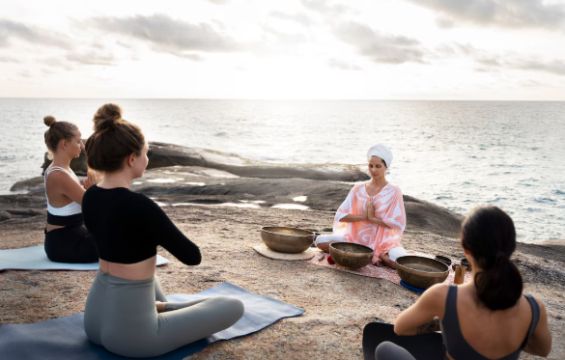
The rise of mental health awareness has created an increasing demand for wellness retreats that focus on emotional healing, relaxation, and personal growth. Mental health wellness retreats offer individuals a safe space to unwind, recharge, and heal from life’s stressors.
Whether you’re a mental health professional, wellness coach, or passionate entrepreneur, starting your own retreat can be a rewarding venture.
In this blog, I’ll walk you through the essential steps needed to start a mental health wellness retreat. From understanding the benefits of wellness retreats to setting up the right infrastructure, we’ll cover everything you need to know to begin this fulfilling journey.
Key Takeaways:
- Wellness retreats offer an opportunity to focus on mental health and personal healing.
- Starting a mental health wellness retreat requires a clear plan, the right location, and a focus on emotional healing.
- There is a growing market for wellness retreats, driven by increased awareness of mental health.
Starting a mental health wellness retreat requires careful planning, a great location, and the right services to meet the needs of your clients. Here’s a step-by-step guide to help you establish a successful retreat.
1. Research the Mental Health and Wellness Industry
Before you begin, it’s essential to understand the market for mental health wellness retreats. Research the latest trends in mental health, wellness, and self-care to ensure your services meet the needs of your target audience.
How to Get Started:
- Study Competitors: Look at successful mental health retreats and analyze their offerings, pricing, and marketing strategies.
- Identify Your Niche: Determine whether you want to focus on specific types of healing, such as anxiety, stress relief, trauma recovery, or mindfulness practices.
- Target Audience: Identify the people who are most likely to attend your retreat, such as individuals dealing with mental health issues, caregivers, or professionals seeking respite.
This research will help you refine your retreat’s purpose and create services that resonate with potential clients.
2. Find the Perfect Location
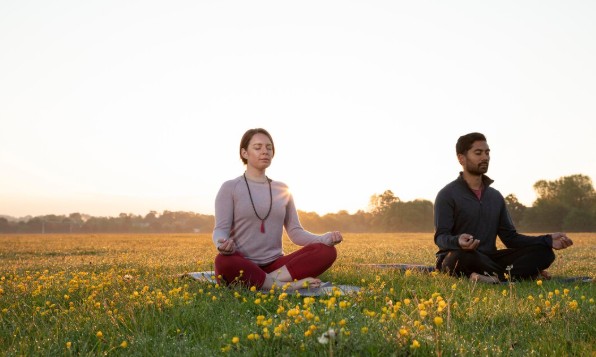
The location of your retreat is crucial to its success. A tranquil and serene environment helps create the right atmosphere for emotional healing and personal growth. Your retreat’s location should encourage peace and allow your clients to disconnect from their daily stressors.
How to Get Started:
- Choose a Peaceful Setting: Look for locations in nature, such as forests, mountains, or near bodies of water. These settings have a calming effect and enhance the therapeutic atmosphere.
- Accessibility: Ensure the location is easily accessible to your target audience, with proximity to airports or transportation options.
- Space and Facilities: Choose a venue that can comfortably accommodate your participants, with space for group activities, private sessions, and relaxation.
The right location will help set the tone for your retreat and create a space for meaningful healing.
3. Develop Your Services and Programs
Your retreat should offer a variety of services and programs that promote emotional healing and mental well-being. These services should be led by trained professionals and designed to address common mental health challenges.
How to Get Started:
- Therapeutic Programs: Offer activities such as guided meditations, yoga, mindfulness workshops, and art therapy.
- Professional Staff: Hire qualified therapists, counselors, or wellness coaches to lead your programs and ensure clients receive the best care.
- Holistic Services: Consider offering massage therapy, acupuncture, or nutritional guidance to promote overall health and well-being.
Develop a range of services that will help clients heal mentally, emotionally, and physically during their stay at your retreat.
4. Set Your Pricing Structure
Pricing your retreat is an important consideration that will influence the type of clients you attract and your business’s sustainability. While starting a business be mindful of offering competitive pricing while maintaining the value of the services you provide.
How to Get Started:
- Market Research: Look at what other mental health wellness retreats are charging to determine a competitive pricing structure.
- Cost Considerations: Factor in costs like venue rental, professional staff, food, activities, and marketing expenses.
- Package Deals: Offer tiered packages that provide different levels of service, from basic accommodations to premium offerings with one-on-one sessions or extra amenities.
Your pricing structure should be transparent and offer value for money, while also reflecting the quality of services provided.
5. Create a Strong Online Presence

In today’s digital age, marketing your wellness retreat is crucial to attracting clients. Establishing an online presence through a website and social media will help you reach a broader audience and build trust with potential clients.
How to Get Started:
- Website: Create a user-friendly website that showcases your retreat’s services, pricing, testimonials, and contact information. Make sure the site is optimized for mobile devices.
- Social Media: Use platforms like Instagram, Facebook, and Pinterest to share inspiring content, client success stories, and updates about your retreat.
- SEO Strategy: Optimize your website and content for search engines to ensure people searching for mental health wellness retreats can find you easily.
A strong online presence will help drive traffic to your retreat and establish credibility within the mental health and wellness community.
6. Promote Your Retreat and Build a Community

Building a community of followers and clients is key to growing your mental health wellness retreat. Word-of-mouth referrals and repeat clients can be your best marketing tools.
How to Get Started:
- Collaborate with Influencers: Work with influencers or wellness bloggers to help promote your retreat to a broader audience.
- Host Events: Organize free workshops or webinars to introduce your retreat’s offerings and build trust with potential clients.
- Client Testimonials: Showcase testimonials from past clients to demonstrate the transformative effects of your retreat.
Promoting your retreat through word-of-mouth, collaborations, and engaging content will help you grow a loyal community of clients.
Frequently Asked Questions
1. What is a mental health wellness retreat?
A mental health wellness retreat is a dedicated space where individuals can focus on healing, relaxation, and personal growth. These retreats often offer therapies, mindfulness exercises, and wellness activities to help people manage stress, anxiety, trauma, and other mental health challenges.
2. How do I start a mental health wellness retreat?
To start a mental health wellness retreat, you need to research your target market, choose an ideal location, develop wellness programs, set your pricing, and establish a strong online presence. Licensing and certifications for mental health services are also essential.
3. Do I need special training to run a wellness retreat?
Yes, you will need to have some form of training in mental health or wellness coaching. Hiring licensed professionals like therapists or wellness coaches is crucial to ensure your programs are effective and comply with regulations.
4. How much does it cost to start a mental health wellness retreat?
The cost of starting a wellness retreat depends on several factors, including location, services offered, and staff. It can range from a few thousand dollars to a significant investment for larger retreats. Be sure to include costs for space, professionals, marketing, and operational expenses in your budget.
5. What makes a mental health wellness retreat successful?
A successful mental health wellness retreat offers a calming, safe environment, professional staff, tailored programs, and strong marketing efforts. It should provide clients with a transformative experience that helps them heal and grow emotionally and mentally.
Conclusion: Your Path to Starting a Mental Health Wellness Retreat
Starting a mental health wellness retreat can be a rewarding venture that allows you to help people improve their mental well-being in a tranquil, supportive setting.
By following the steps outlined in this guide, you’ll be well on your way to creating a retreat that not only meets the growing demand for mental health services but also offers a meaningful, life-changing experience for your clients.
By researching regulations, securing the right location, and providing quality services, you can create a retreat that transforms lives and contributes to the ongoing movement toward mental health awareness and healing.