Now Reading: The Rise of the Baddie: Anatomy of a Digital Aesthetic
-
01
The Rise of the Baddie: Anatomy of a Digital Aesthetic

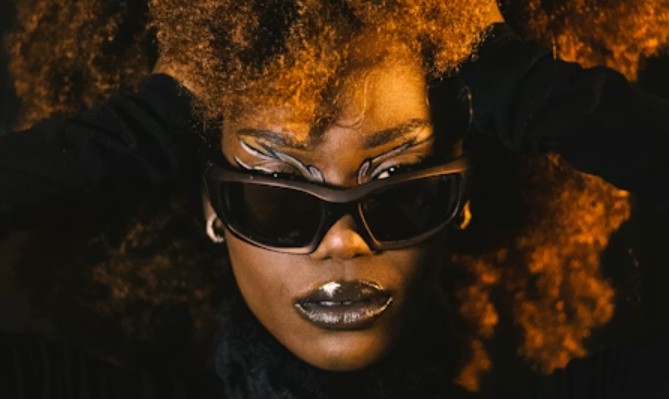
In the sprawling landscape of modern digital culture, few archetypes have been as dominant, influential, and instantly recognizable as the “Baddie.” Born from the intersection of 90s hip-hop culture, the rise of Instagram, and the democratization of beauty standards, the Baddie aesthetic has evolved from a slang term into a global lifestyle brand.
This article explores the comprehensive ecosystem of the Baddie—the look, the mindset, and the digital “hubs” where this culture thrives.
Part I: Defining the Baddie
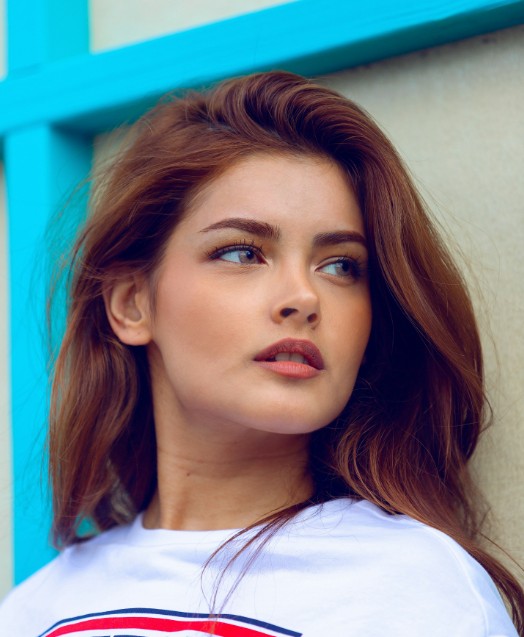
What is a Baddie?
At its core, a “Baddie” is a woman who exudes supreme confidence, is meticulously groomed, and stays on top of the latest trends. However, the term goes deeper than just appearance. It is a reclaiming of agency. Historically rooted in African American Vernacular English (AAVE), the term “bad bitch” (sanitized in mainstream media to “baddie”) referred to a woman who was independent, successful, and physically attractive.
In the 2010s, as platforms like Instagram and Tumblr began to dominate the internet, this cultural concept merged with visual aesthetics to create the “Instagram Baddie.” This archetype is characterized by a specific set of visual markers: flawless makeup, hourglass figures (often accentuated by streetwear or athleisure), and a distinct “unbothered” attitude.
The Evolution of the Term
- The 90s & 2000s: The aesthetic roots are found in the video vixens of the hip-hop era and the glamor of stars like Lil’ Kim and eventually the early Kardashian era. It was about high glamor mixed with street edge.
- The 2010s (The Instagram Era): This is where the “Baddie” became a replicable aesthetic. Influencers like Kylie Jenner and various beauty gurus popularized the “Instagram Face“—defined brows, matte lips, and heavy contouring.
- The 2020s (The TikTok Shift): The aesthetic softened slightly, incorporating “Clean Girl” elements and Y2K revivals, but the core tenet of high-maintenance grooming and high confidence remained.
Part II: The Aesthetic Blueprint
To understand the culture, one must understand the uniform. The Baddie aesthetic is highly curated. It is not “woke up like this”; it is “I put effort into this because I am worth it.”
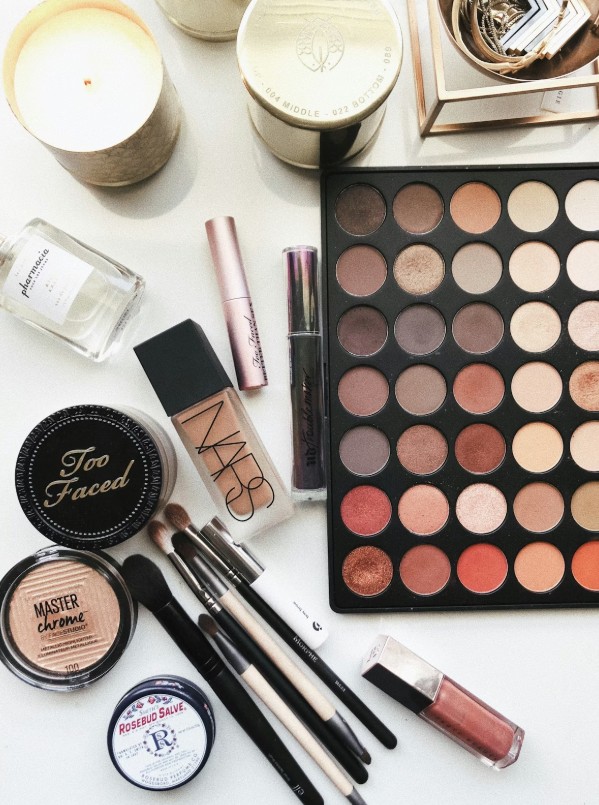
1. The Face (The Beat)
The “Baddie” makeup look is distinct and technical. It relies heavily on the concept of transformation and perfection.
- The Brows: Always groomed. Whether they are the “Instagram block brows” of 2016 or the laminated fluffy brows of today, they frame the face aggressively.
- The Contour: Sculpting the face is non-negotiable. High cheekbones and a sharp jawline are created through light and shadow.
- The Lips: Usually over-lined, often in nude tones or browns, heavily inspired by 90s R&B aesthetics.
- Lashes: False lashes or heavy extensions are a staple. The “fox eye” lift is a common goal.
2. The Fashion (High-Low Mix)
The Baddie wardrobe is a strategic mix of luxury branding and accessible fast fashion.
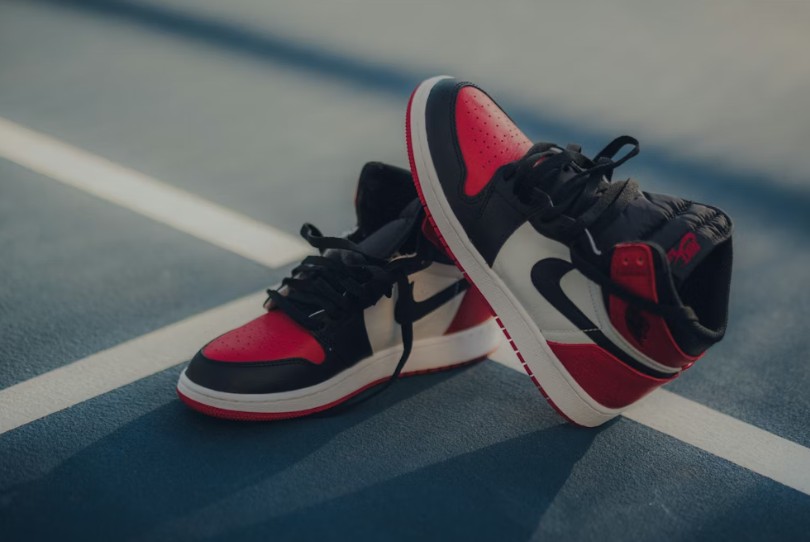
- Athleisure: Matching sets, biker shorts, and oversized hoodies (often paired with expensive sneakers like Jordans or Yeezys).
- Streetwear: A heavy reliance on brands like Supreme, Off-White, or essentials like Fear of God.
- Fast Fashion: Brands like Fashion Nova, PrettyLittleThing, and SHEIN became the “hubs” of Baddie fashion, offering affordable versions of the looks worn by top influencers.
3. The Pose and Angles
Being a Baddie is a digital performance. The aesthetic does not exist without the camera. The poses are designed to accentuate curves and display confidence.
- The Squat: Showing off the outfit and sneakers.
- The “Bambi” Pose: Sitting on the knees to accentuate the hip-to-waist ratio.
- The Mirror Selfie: Often obscuring the face to focus on the “fit” (outfit).
Part III: The Digital Hubs of Culture
While a reader might look for a single “Baddie hub,” the reality is that the culture is decentralized across several major platforms. These digital arenas are where the trends are born, vetted, and sold.

1. Instagram: The Showroom
Instagram is the primary home of the Baddie. This is where the polished, final product is displayed. The Grid is a portfolio. Influencers here act as the trendsetters. The algorithm favors high-resolution, aesthetically pleasing images, which drives Baddies to perfect their lighting and editing skills.
Key Activity: Brand deals, outfit checks, and lifestyle flexing.
2. TikTok: The Tutorial Center
If Instagram is the magazine cover, TikTok is the behind-the-scenes documentary. This is where aspiring Baddies go to learn how to achieve the look.
- The “GRWM” (Get Ready With Me): These videos are instructional hubs. They show the specific products, the techniques for hair styling, and the thought process behind an outfit.
- Trend Cycles: TikTok moves faster than Instagram. A specific aesthetic (like the “Mob Wife” or “Coquette” variance of the Baddie) can rise and fall in a month here.
Also Read: Mikayla Campinos
3. Pinterest: The Vision Board
Pinterest acts as the mood board for the aesthetic. Users create boards dedicated to “Baddie Nails,” “Baddie Outfits,” and “Luxury Lifestyle.” It serves as the blueprinting phase before the content is created.
4. YouTube: The Deep Dive
YouTube remains the hub for long-form content. This is where vlogs (video blogs) allow audiences to see the lifestyle in motion. “Week in my life” vlogs from Baddie influencers foster a parasocial relationship, making the unattainable lifestyle seem accessible.
Part IV: The Business of Being a Baddie
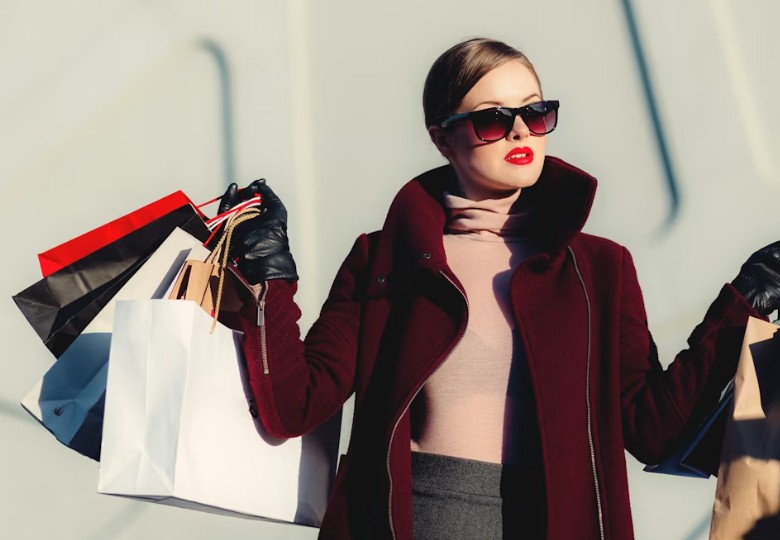
The Baddie aesthetic is not just a look; it is a booming economy. The Baddie is the ultimate consumer and the ultimate marketer.
The Influencer Economy
Brands realized early on that Baddies move units. The “Fashion Nova” phenomenon is the prime example. By utilizing a network of thousands of micro-influencers who fit the Baddie archetype, brands can bypass traditional advertising.
- The Call to Action: When an influencer posts a photo, the caption usually includes a discount code. This turns every post into a transaction.
- Affiliate Marketing: Many Baddies monetize their hubs (social pages) through LiketoKnow.it or Amazon Storefronts, curating lists of products for their followers.
The Rise of the “Entrepreneur Baddie”
The evolution of the trend has seen a shift from purely visual flexing to “Boss Bitch” energy. The modern Baddie is expected to be business-minded.
- Lash Techs and Nail Artists: Many women in the community have started service-based businesses that cater to the aesthetic.
- Digital Products: Selling e-books on “how to become an influencer” or “how to edit photos” has become a secondary income stream.
Part V: Criticism and Controversy
No cultural phenomenon of this size exists without critique. The Baddie aesthetic has faced significant backlash and sociological analysis.
1. The Standard of Beauty
The primary criticism is the promotion of a singular, often unattainable body type. The “Slim Thick” physique (small waist, large hips or glutes) is often achieved through genetics or surgery such as Brazilian Butt Lifts. Critics argue that presenting this as a result of gym work and waist trainers creates dysmorphia in young followers.
2. Blackfishing and Appropriation
Because the roots of the aesthetic are deeply planted in Black culture—AAVE, long acrylics, hoop earrings, laid edges—there is constant friction when non-Black influencers adopt these elements to gain popularity, often without acknowledging the source. This phenomenon, known as Blackfishing, remains a contentious topic within the community.
3. Consumerism
The Baddie lifestyle is expensive. It requires constant consumption—new clothes for every post, expensive makeup, regular salon visits. Critics argue it promotes a hyper-capitalist mindset where self-worth is tied to material possessions and brand recognition.
Part VI: How to Curate Your Own “Baddie” Brand
For those looking to enter this space or cultivate this confidence, it requires a strategy. It is about building your own personal hub of content.
Step 1: Define Your Niche
The general Baddie market is saturated. Successful creators now niche down:
- The Gamer Baddie: High-end gaming setups mixed with glam.
- The Corporate Baddie: Business professional fashion and career advice.
- The Wellness Baddie: Green juices, pilates, and “that girl” routines.
Step 2: Quality Over Quantity
The aesthetic relies on visual clarity.
- Lighting: Natural lighting is king, but a ring light is the standard backup.
- Cohesion: The Instagram feed should have a consistent color palette.
- Editing: Apps like Lightroom, Facetune, and Tezza are industry standards.
Step 3: Community Engagement
A true hub interacts. It is not just about posting; it is about building a community. Replying to comments, using Instagram Stories to poll followers, and being authentic (or seemingly authentic) creates loyalty.
Keywords: baddie aesthetic, baddie aesthetic wallpaper, aesthetic baddie, baddie aesthetic rooms with led lights, baddie y2k nails aesthetic, aesthetic baddie roblox, aesthetic baddie aesthetic, baddie hot pink aesthetic, baddie wallpaper aesthetic, baddie aesthetic outfits, baddie ski mask aesthetic girl, latina baddie bratz dolls aesthetic, tiktok baddie aesthetic rooms with led lights, aesthetic baddie nails instagram, baddie y2k aesthetic room, baddie hello kitty wallpaper aesthetic, aesthetic baddie quotes, aesthetic aesthetic nails baddie.