Now Reading: Warehouse Safety 101: Best Practices for Secure Storage
-
01
Warehouse Safety 101: Best Practices for Secure Storage

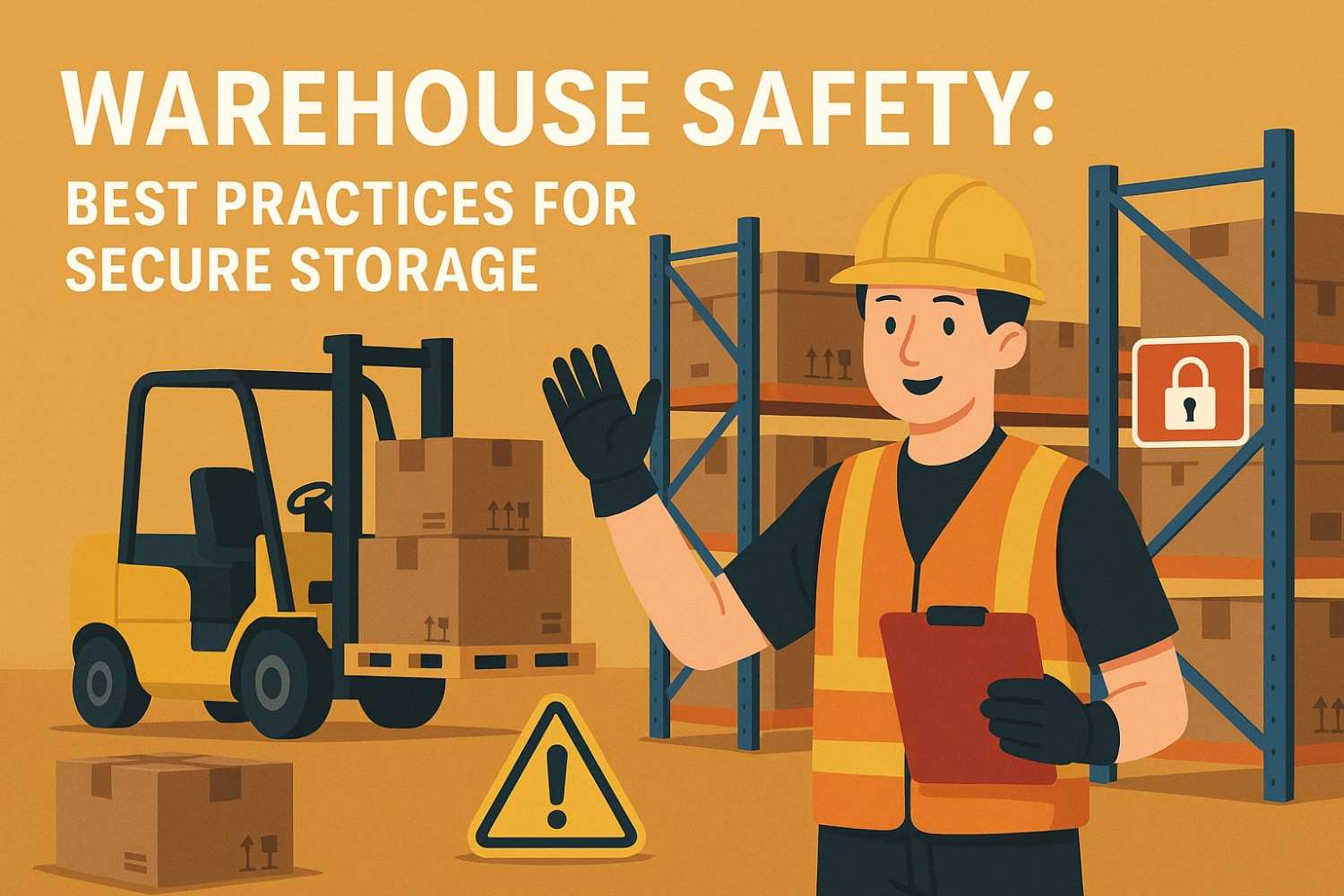
Warehouses are the backbone of supply chains, storing products safely until they reach their final destinations. However, a warehouse is only as efficient as it is safe. Poorly managed storage not only risks damage to goods but can also lead to workplace accidents. Implementing best practices for secure storage is crucial to protect both inventory and employees. In this guide, we’ll explore key strategies for maintaining a safe and organized warehouse environment.
1. Prioritize Organization
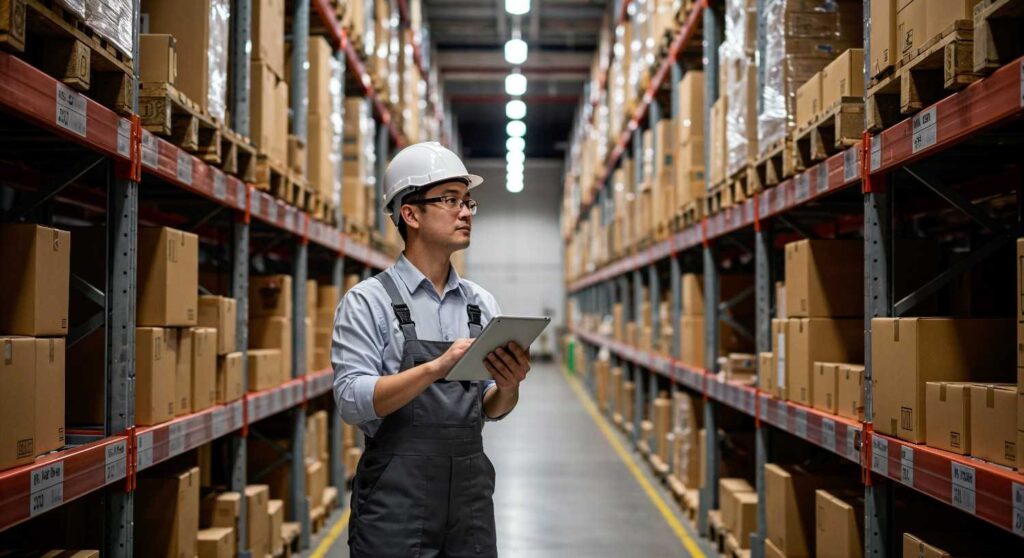
The first step toward secure storage is proper organization. A well-structured warehouse layout minimizes confusion and reduces the risk of accidents. Clearly label all aisles, shelves, and storage zones to ensure employees can quickly locate items. Consider implementing a color-coded system for different categories of products. This not only speeds up retrieval but also prevents mistakes that could lead to damage or injury.
Keep high-traffic areas free from obstacles, and ensure pathways are wide enough for forklifts and carts to move safely. A clutter-free environment allows for quick evacuation in emergencies and helps staff maintain awareness of their surroundings.
2. Use Appropriate Storage Equipment
Choosing the right storage equipment is essential for warehouse safety. Pallet racks, shelving units, and bins should be designed to handle the weight and size of stored items. Avoid overloading racks or stacking items too high, as this increases the risk of collapse.
Invest in equipment like crate clips to stabilize boxes on pallets. These small devices help secure loads during storage and transport, preventing products from shifting or falling. Similarly, consider using safety barriers or netting in areas where heavy items are stored overhead.
3. Implement Proper Stacking Techniques
How items are stacked in a warehouse has a direct impact on safety. Follow proper stacking techniques to prevent accidents. Always place heavier items at the bottom and lighter items on top. Ensure boxes are aligned evenly and not leaning, as uneven stacks can easily topple.
If your warehouse stores bulky or oddly-shaped items, consider using custom shelving or racking solutions to provide extra stability. Avoid creating stacks that exceed recommended height limits, as this could compromise both the stability of the storage and the safety of your employees.
4. Conduct Regular Inspections
Routine inspections are a critical part of warehouse safety. Check shelving, racks, pallets, and storage bins regularly for signs of wear, damage, or instability. Address any issues immediately to prevent accidents.
Inspections should also include an evaluation of safety signage, lighting, and emergency exits. Well-lit and clearly marked areas reduce the likelihood of trips, falls, or collisions. Encourage employees to report hazards promptly and provide a simple system for logging maintenance requests.

5. Train Your Staff
A safe warehouse starts with well-trained employees. Provide comprehensive training on proper lifting techniques, equipment usage, and emergency procedures. Make sure staff understand how to safely stack and store items and how to use tools like pallet jacks, forklifts, and crate clips correctly.
Regular safety drills can reinforce these practices and prepare employees for real-life emergencies. When staff are confident in their ability to manage inventory safely, the risk of accidents drops significantly.
6. Maintain a Clean Environment
Cleanliness is more than just aesthetics—it’s a safety necessity. Spills, debris, and dust can create hazards in a warehouse. Implement a regular cleaning schedule to keep floors clear and surfaces free of clutter. Designate specific areas for waste disposal and recycling, and make sure hazardous materials are stored according to regulations.
Maintaining a clean environment also helps with inventory management, as it is easier to track stock levels and identify damaged goods when everything is visible and accessible.
7. Invest in Safety Technology
Modern warehouses can benefit from safety technologies such as automated inventory systems, sensors, and cameras. These tools not only improve efficiency but also enhance security and accident prevention. For example, sensors can detect when a pallet is leaning dangerously, triggering an alert before an accident occurs.
Incorporating technology alongside traditional safety practices ensures a proactive approach to warehouse management, keeping both staff and inventory protected.

In Conclusion
Warehouse safety is not an optional extra—it is a fundamental part of efficient storage management. By prioritizing organization, using the right equipment, training staff, and maintaining a clean environment, you can reduce the risk of accidents and protect your valuable inventory. Small tools like crate clips, combined with proper storage techniques, can make a big difference in stability and safety.
A safe warehouse fosters a productive workforce and protects your bottom line. Implement these best practices consistently, and your storage operations will be secure, efficient, and ready to support the demands of modern supply chains.