Now Reading: What Does Industry vs Inferiority Mean? Understanding Erikson’s Stage of Development
-
01
What Does Industry vs Inferiority Mean? Understanding Erikson’s Stage of Development
What Does Industry vs Inferiority Mean? Understanding Erikson’s Stage of Development

Introduction: Understanding Industry vs Inferiority
Erik Erikson’s stages of psychosocial development offer valuable insights into the growth of a child’s identity and mental well-being. One of the key stages in this theory is Industry vs Inferiority, which occurs between the ages of 6 and 12.
This is a pivotal period in a child’s life when they begin to develop their skills, sense of competence, and self-worth.
But what does Industry vs Inferiority really mean? In simple terms, it’s about how children begin to feel about their abilities and how they are perceived by others, especially in school and peer relationships.
A positive resolution of this stage leads to a sense of competence, while failure to meet expectations can result in feelings of inferiority.
In this blog, we’ll dive deeper into what the Industry vs Inferiority stage entails, its significance, and how it impacts a child’s development.
Key Takeaways:
- Industry vs Inferiority is the stage where children develop self-esteem based on their accomplishments.
- Success in this stage leads to competence and confidence, while failure can lead to feelings of inadequacy.
- This stage plays a significant role in a child’s academic, social and emotional development.
What is Industry vs Inferiority?

The Industry vs Inferiority stage, according to Erikson, is the fourth of his eight psychosocial stages of development. It typically occurs between the ages of 6 and 12, a time when children begin school and face new social challenges.
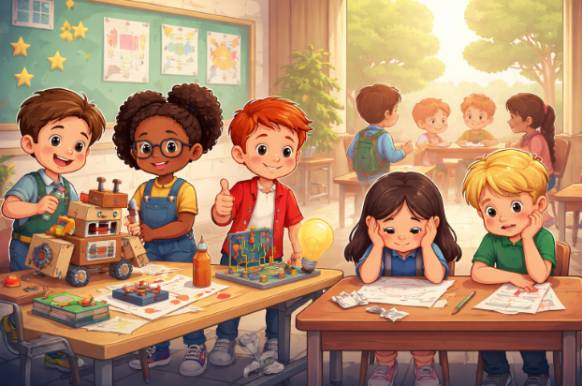
During this stage, children start to gain a sense of pride in their accomplishments and the tasks they complete, from schoolwork to extracurricular activities.
In this stage:
- Industry refers to the child’s sense of competence. They begin to build skills, solve problems, and feel a sense of achievement.
- Inferiority occurs when children feel that they are incapable or unsuccessful in these tasks. They might struggle with their abilities or feel less competent compared to their peers.
How children resolve this stage shapes their self-esteem and overall sense of confidence. A strong sense of industry helps children feel capable, while inferiority can make them feel inadequate.
The Importance of Industry vs Inferiority in Child Development

This stage is crucial for laying the foundation of self-esteem and self-confidence. It occurs at a time when children are learning more than ever before—both academically and socially.
Positive experiences during this period can lead to a sense of competence, which is essential for future success.
However, if children feel that they aren’t measuring up or that their efforts are inadequate, they may develop feelings of inferiority that can affect their self-worth and motivation.
During this stage, children also face the increasing influence of peers and teachers, making the need for positive reinforcement and encouragement more important than ever.
When children are given the opportunity to succeed in tasks that are meaningful to them, they develop a strong sense of identity and the resilience to face challenges in the future.
How to Support Children During Industry vs Inferiority
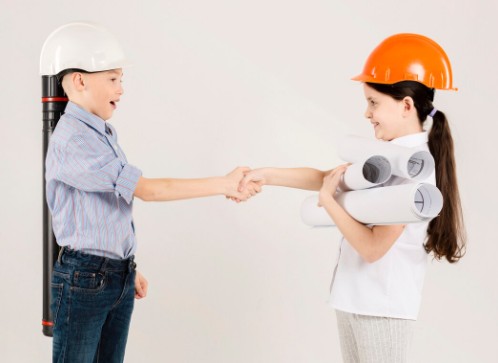
As a parent, teacher, or caregiver, you can play a key role in helping children navigate this stage. Here’s how to provide the support they need:
1. Encourage New Challenges
Give children opportunities to explore new tasks and activities. Whether it’s learning a new sport, taking on a project at school, or trying out a new hobby, these experiences allow children to develop their skills and build confidence.
2. Provide Positive Feedback
Positive reinforcement goes a long way in building a child’s self-esteem. Praise their efforts and accomplishments, no matter how small. Let them know that hard work and persistence are just as important as success.
3. Create a Supportive Environment
Encourage collaboration and teamwork. Having a supportive group of peers can help children feel more confident in their abilities. When they face challenges, assure them that setbacks are part of learning and growth.
The Consequences of Industry vs Inferiority
The way children resolve this stage can affect their future development. If they feel successful, they develop a sense of industry, which is linked to:
- Increased motivation.
- Enhanced academic performance.
- Positive self-esteem and confidence.
- Stronger peer relationships.
On the other hand, if children struggle with feelings of inferiority, it can have lasting effects:
- Low self-esteem and lack of confidence.
- Fear of failure and avoidance of challenges.
- Struggles in forming positive relationships.
- A tendency to withdraw from activities or become disengaged in school.
Frequently Asked Questions
1. What does “Industry vs Inferiority” mean in Erikson’s stages of development?
Industry vs Inferiority is the stage where children between the ages of 6 and 12 develop their self-esteem based on their accomplishments. Success leads to a sense of competence (industry), while failure can lead to feelings of inadequacy (inferiority).
2. How can I help my child succeed in the Industry vs Inferiority stage?
Encourage them to take on new challenges, provide positive reinforcement for their efforts, and create a supportive environment where they feel comfortable making mistakes and learning from them.
3. What happens if a child struggles with feelings of inferiority during this stage?
Children who struggle with feelings of inferiority may develop low self-esteem, avoid challenges, and have difficulty forming healthy relationships. It’s important to provide support and encouragement during this time to help them build confidence.
4. Why is the Industry vs Inferiority stage important?
This stage is crucial for the development of self-esteem and competence. It lays the foundation for a child’s future academic and social success by helping them build confidence in their abilities.
5. How long does the Industry vs Inferiority stage last?
The Industry vs Inferiority stage occurs between the ages of 6 and 12, during which children are in school and learning new skills.
Final Thoughts: The Role of Industry vs Inferiority in Growth
The Industry vs Inferiority stage is an essential period in a child’s development. It’s a time when children begin to build their self-esteem based on their experiences and accomplishments.
By providing positive feedback, encouraging new challenges, and creating a supportive environment, we can help children build the confidence they need to succeed in this stage and beyond.
Understanding this stage, innovating education and its impact on child development can guide us in supporting children as they navigate challenges and celebrate their successes. With the right support, children can overcome feelings of inferiority and develop the skills they need to thrive.