Now Reading: Why Your Vegetable Garden Isn’t Thriving (And How to Fix It)
-
01
Why Your Vegetable Garden Isn’t Thriving (And How to Fix It)

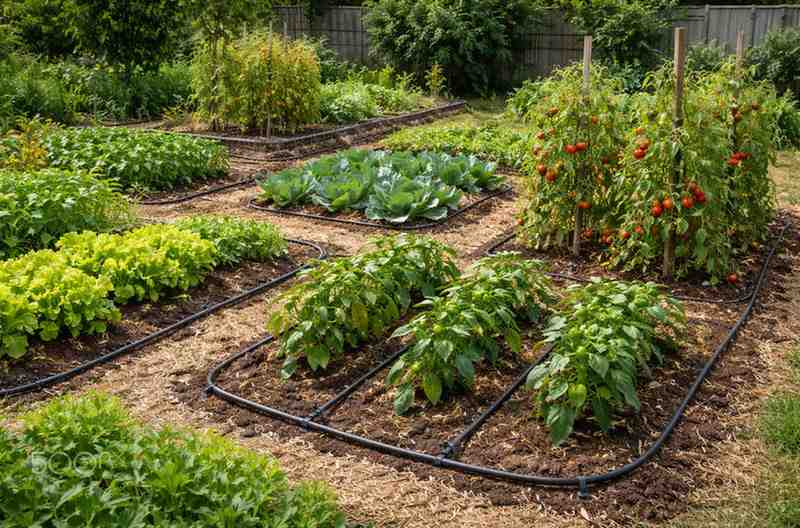
You planted the seeds and watered them, but your garden is still struggling with yellowing leaves and stunted growth. The problem often isn’t one big issue, but several small ones compounding over time. Common advice like “add fertilizer” can miss the real cause. This guide cuts through the noise to identify the real reasons your vegetable garden is failing and provides practical, step-by-step solutions that work.
The Hidden Signs Your Garden Is Struggling
Before fixing the problem, you need to recognize it. A garden in distress doesn’t always announce itself dramatically. Often, the warning signs are subtle—and easy to confuse with normal seasonal changes.
Here’s what to look out for:
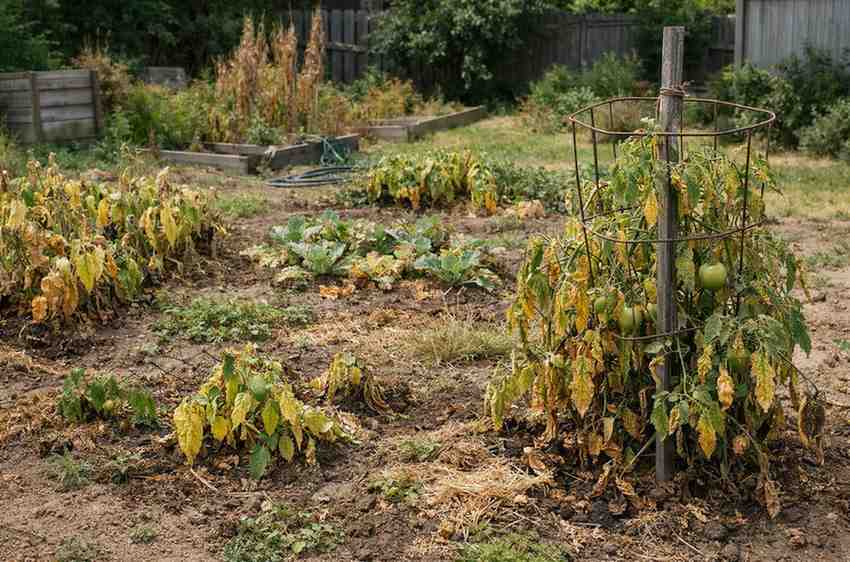
- Pale or yellowing leaves: Often a sign of nitrogen deficiency or waterlogged roots
- Leggy, stretched plants: Usually caused by insufficient sunlight
- Wilting despite regular watering: A classic sign of drainage problems or root rot
- Stunted growth: Can indicate compacted soil, pH imbalance, or nutrient deficiencies
- Unusual spots or discoloration: Early signs of fungal disease or pest damage
If any of these look familiar, the sections below will help you identify exactly what’s going wrong—and how to fix it.
Common Pitfalls That Hold Gardens Back
Poor Soil Quality
Soil is the foundation of everything. Plants don’t just need dirt to anchor their roots—they need a living, nutrient-rich environment that supports healthy growth. When soil is depleted, compacted, or unbalanced, even the most resilient vegetables will struggle.
Two key soil factors to understand are texture and pH. Soil that’s too sandy drains too quickly, leaving roots without enough moisture. Soil that’s too clay-heavy holds water for too long, cutting off oxygen to roots. The ideal texture—often called “loam”—is a balanced mix that retains moisture while allowing air to circulate.
Understand pH vs. alkalinity matters just as much. Most vegetables grow best in soil with a pH between 6.0 and 7.0. Outside that range, plants can’t absorb nutrients properly, even if those nutrients are present in the soil. Acidic soil (below 6.0) is a common culprit behind nutrient deficiencies that many gardeners mistake for a lack of fertilizer.
Drainage Problems
Standing water after rainfall, soggy patches that never seem to dry out, or soil that puddles when you water—these are all signs of poor drainage. Roots need oxygen as much as they need water, and waterlogged soil suffocates them.
Drainage issues are often caused by compacted soil, clay-heavy ground, or garden beds that sit in a natural low point. In some cases, poor drainage is made worse by overwatering—an easy habit to fall into when your plants don’t look well.
Incorrect Sunlight Exposure
Most vegetables need at least six hours of direct sunlight per day. Leafy greens like lettuce and spinach can tolerate partial shade, but fruiting vegetables—tomatoes, zucchini, peppers—demand full sun to produce well.
The tricky part is that sunlight patterns shift throughout the growing season. A spot that’s perfectly sunny in spring may be shaded by a nearby fence or tree canopy by midsummer. Before planting, observe your garden at different times of day and across different weeks to understand where sunlight actually falls.
Practical Solutions for a Healthier Garden
Start With a Soil Test
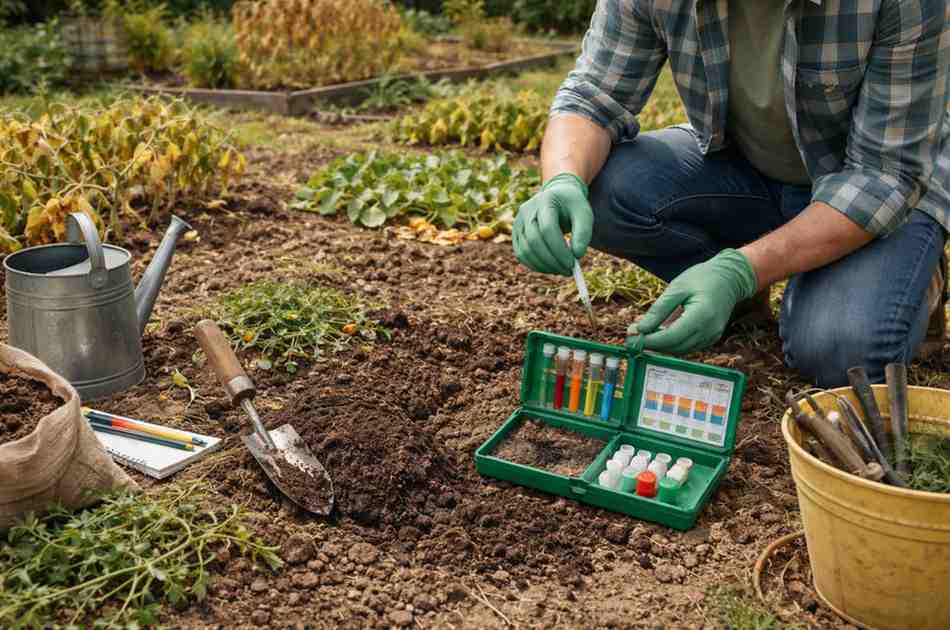
Before adding anything to your soil, test it. Soil testing kits are inexpensive and available at most garden centers. They’ll tell you your soil’s pH, nitrogen levels, phosphorus, and potassium content—giving you a clear picture of what’s missing and what’s in excess.
Once you have your results:
- Adjust pH if needed: Add garden lime to raise pH in acidic soil, or sulfur to lower pH in alkaline soil. Make adjustments gradually and retest after a few weeks.
- Address nutrient deficiencies: Match your amendments to what the test reveals. Low nitrogen? Add a nitrogen-rich fertilizer or organic matter. Low potassium? Wood ash or potassium sulfate can help.
- Improve soil texture: Mix in coarse sand to break up clay, or add organic matter to help sandy soil retain moisture.
Fertilize Organically
Synthetic fertilizers work quickly, but they don’t build long-term soil health. Organic fertilization feeds your soil’s ecosystem—the worms, bacteria, and fungi that keep everything in balance.
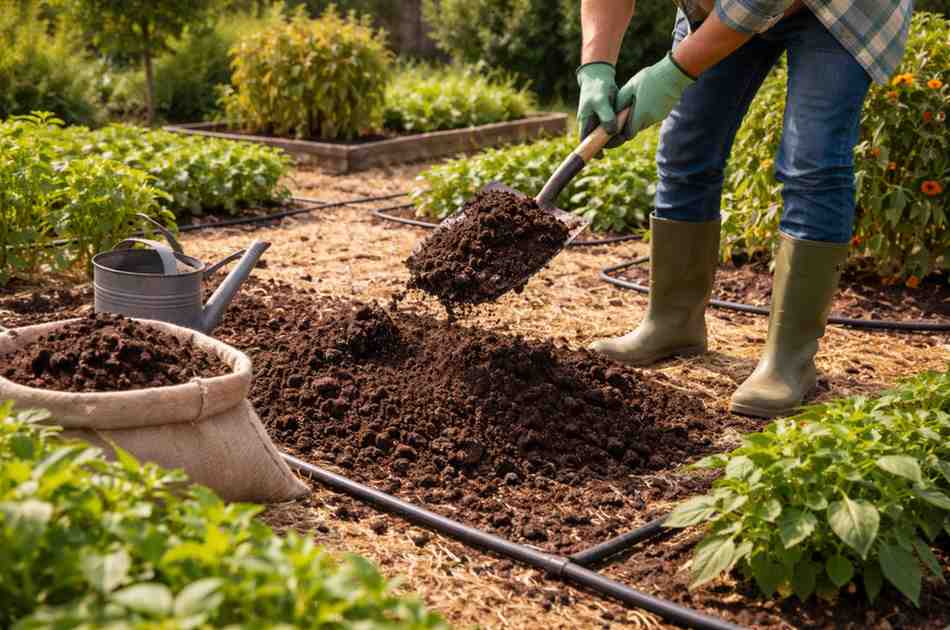
The easiest way to start is with organic compost. Adding a 2-3 inch layer of organic compost, such as that offered in Salt Lake City, to your garden beds each season improves soil structure, adds a broad spectrum of nutrients, and encourages beneficial microbial activity. Over time, it transforms even poor-quality soil into something plants thrive in.
Other solid organic options include:
- Worm castings: A gentle, nutrient-dense option that’s safe for seedlings
- Fish emulsion: High in nitrogen and fast-acting, great for leafy greens
- Bone meal: A slow-release phosphorus source that supports root and flower development
Try Companion Planting
Companion planting is the practice of growing certain plants near each other to create mutual benefits. Some combinations deter pests, others improve soil nutrients, and some simply make better use of limited space.
A few reliable companion planting combinations:
- Tomatoes + basil: Basil is said to repel aphids and whiteflies that commonly target tomatoes
- Beans + corn: Beans fix nitrogen in the soil, which corn uses heavily
- Carrots + onions: Their scents confuse each other’s common pests
Companion planting won’t solve every problem, but it’s a low-effort strategy that adds genuine resilience to your garden.
Maintenance Tips to Keep Things on Track
Build a Consistent Watering Schedule
Irregular watering is one of the most common—and most correctable—garden mistakes. Plants stressed by inconsistent moisture become more vulnerable to disease, produce less, and often drop fruit prematurely.
Most vegetables need about one inch of water per week, either from rainfall or irrigation. Rather than watering a little every day, deeper, less frequent watering encourages roots to grow downward, making plants more drought-tolerant over time.
A few practical tips:
- Water in the morning so foliage has time to dry before evening, reducing fungal disease risk
- Water at the base, not overhead, to keep moisture away from leaves
- Use a rain gauge or a simple jam jar to track how much water your garden actually receives each week
If you want to take the guesswork out of it entirely, a drip irrigation system is a worthy investment for serious vegetable gardeners.
Spot Pest and Disease Problems Early
By the time a pest or disease becomes visually obvious, it’s often already well-established. Regular inspection—ideally a few minutes every couple of days—lets you catch problems while they’re still manageable.
Signs of pest damage include:
- Holes in leaves (caterpillars, beetles)
- Sticky residue on stems (aphids)
- Tunnels or trails in leaves (leafminers)
Signs of disease include:
- Powdery white coating on leaves (powdery mildew)
- Dark spots with yellow halos (fungal infections)
- Wilting on one side of a plant (bacterial or fungal wilt)
When you do spot a problem, act quickly. Remove affected leaves, introduce natural predators like ladybugs for aphid control, or apply organic treatments like neem oil for fungal issues. Avoid reaching for chemical pesticides as your first response—they often kill beneficial insects along with the harmful ones.
Conclusion
A struggling vegetable garden is rarely a lost cause. Most problems, from poor soil to pests, have practical solutions. Start with a soil test, add organic matter, and observe your sunlight. Water deeply and consistently. Gardening is a learning process. Pay attention to what works, adjust your methods, and watch your garden thrive.