Now Reading: Innovative Education Supporting Local Student Growth
-
01
Innovative Education Supporting Local Student Growth


The landscape of education is shifting. Gone are the days when a “one-size-fits-all” approach was sufficient to prepare young people for the future.
Today, communities are recognizing that true student growth requires innovation, adaptability, and a holistic focus on the individual learner. By embracing new methodologies and forging strong community ties, local schools are creating environments where students not only survive but also thrive.
This evolution in education isn’t just about fancy gadgets or new textbooks; it’s about fundamentally rethinking how we engage with students to unlock their full potential.
From tailoring curricula to individual needs to connecting classroom theory with real-world application, innovative educational practices are paving the way for a generation of critical thinkers and responsible citizens. Here are five key ways innovative education is supporting student growth right in our backyard.
1. Personalized Learning Programs
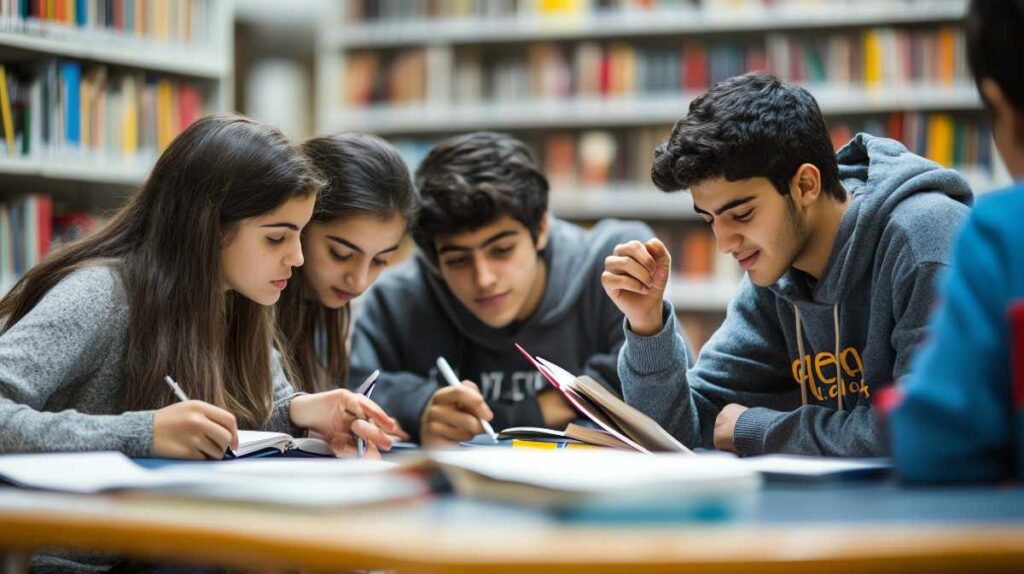
The most significant shift in modern education is the move toward personalized learning. This approach recognizes that every student learns differently, possessing unique strengths, interests, and pacing requirements.
Instead of the traditional lecture model where everyone consumes the same information at the same time, personalized learning tailors the educational experience to the individual.
One-on-one mentoring is a cornerstone of this strategy. When students have dedicated advisors who understand their personal and academic goals, they feel seen and supported.
Adaptive learning technologies also play a role, allowing students to progress through material at their own speed—speeding up when they grasp a concept quickly and slowing down to get extra support when they encounter a challenge. This flexibility reduces frustration and boosts confidence, leading to deeper engagement and better academic outcomes.
2. STEM Education Initiatives
In a rapidly advancing world, literacy in Science, Technology, Engineering, and Mathematics (STEM) is no longer optional; it is essential. Innovative local programs are placing a heavy emphasis on these subjects, not just as isolated classes, but as integrated disciplines that solve real problems.
Effective STEM initiatives go beyond textbook theory. They involve hands-on experiments, coding projects, and engineering challenges that require critical thinking and collaboration.
By immersing students in these high-demand fields early on, schools are preparing them for the careers of tomorrow. Whether it’s building a robot or analyzing environmental data, these experiences show students the practical application of their studies, sparking curiosity and a lifelong love for discovery.
3. Arts Integration
While STEM is crucial, a truly well-rounded education also embraces the arts. Arts integration is an innovative pedagogical approach that weaves art into core subjects like math, science, and history. This isn’t just about having a separate art class; it’s about using creativity as a vehicle for learning other concepts.
For example, students might use musical rhythm to understand fractions or dramatic performance to explore a historical event. This method enhances creativity, which is a vital skill for problem-solving in any industry. Furthermore, arts integration has been shown to increase student engagement significantly.
When learners can express themselves creatively, they are more emotionally invested in their work, leading to higher retention rates and a more positive school culture. A public charter school in Salt Lake City often exemplifies this approach by prioritizing rich learning opportunities in the visual and performing arts alongside rigorous academics.
4. Community Partnerships

Education does not happen in a vacuum. The most innovative schools understand that the community is an extension of the classroom. Collaborations between schools, local businesses, non-profits, and civic organizations create a rich ecosystem for student growth.
These partnerships open doors to real-world learning experiences that cannot be replicated within school walls. Students might participate in internships, service-learning projects, or mentorship programs with local professionals.
These interactions help students develop essential soft skills like networking, communication, and professional responsibility. Moreover, seeing how their education applies to their local community fosters a sense of civic duty and belonging, empowering students to become active contributors to society.
5. Early Childhood Education
Innovation isn’t reserved for high schools and universities; it starts at the very beginning. Research consistently shows that high-quality early childhood education is one of the best investments a community can make. Innovative preschool programs focus on early intervention and social-emotional learning, setting a strong foundation for future success.
Modern early childhood initiatives prioritize play-based learning, which allows young children to explore, experiment, and develop social skills in a natural, low-pressure environment. By identifying learning gaps early and providing the necessary support, educators ensure that students enter kindergarten ready to learn. This proactive approach helps close the achievement gap and sets students on a trajectory for long-term academic and personal growth.
Transforming the Future, One Student at a Time
The shift toward innovative education is more than a trend; it is a necessary evolution to meet the needs of a complex, changing world. By focusing on personalized pathways, integrating diverse disciplines like STEM and the arts, and building bridges with the community, we are doing more than just teaching students—we are empowering them.
If you are looking for an educational environment that prioritizes individual growth and community connection, explore the options available in your local area. Visiting schools and asking questions about their approach to student support and curriculum design is the first step in finding the right fit for your learner.