Now Reading: Lifelong Learning Strategies: A Practical Guide to Continuous Growth
-
01
Lifelong Learning Strategies: A Practical Guide to Continuous Growth


You probably already noticed something — skills expire faster than degrees. A tool you learned last year feels outdated today. That’s exactly why lifelong learning strategies matter.
This guide explains how continuous learning actually works in real life, how to build it into daily routines, and how to make knowledge stick instead of forgetting it after a week. By the end, you will know what to learn, how to learn, and how to keep learning without burnout.
Learning is not an occasional activity but a daily behavior. Small repeated sessions work better than irregular long study periods. Real-world practice teaches more than courses alone, and feedback together with teaching accelerates mastery.
A proper system matters far more than motivation.
Key Takeaways
- Learning is a daily behavior, not an occasional activity
- Small repeated sessions beat long irregular study
- Real-world practice teaches more than courses alone
What Lifelong Learning Strategies Really Mean
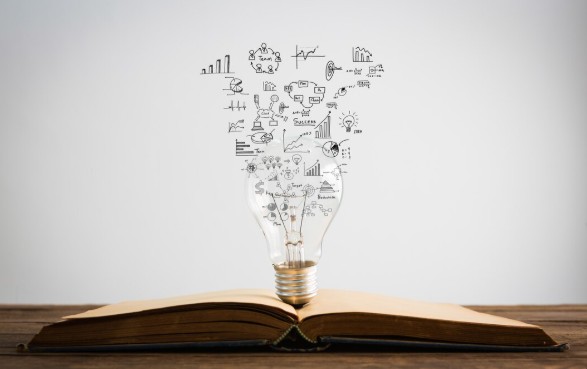
Lifelong learning strategies are structured habits that help a person continuously gain skills across life stages rather than stopping after formal education. Instead of treating learning as a phase, you treat it as an operating system running in the background of daily life.
The goal is not collecting certificates but maintaining adaptability. Many people misunderstand this idea and assume it means constantly taking courses.
In reality courses are only a small part because most learning happens while solving real problems, observing others, experimenting, and reflecting.
Why Continuous Learning Matters More Than Talent
The modern economy rewards adaptability more than intelligence. A person who updates skills every year will outperform someone talented but static. Technologies, industries, and job roles evolve faster than education systems.
Knowledge in many fields becomes outdated within a few years and employers increasingly hire based on skills rather than degrees.
Career paths also change multiple times during life, which makes lifelong learning strategies a form of career insurance that protects relevance instead of just improving competence.
The Foundation: Growth Mindset
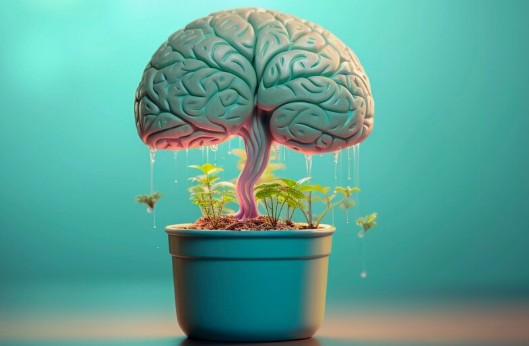
A growth mindset is the belief that ability improves through effort. Without it every other method fails because learning feels like judgment instead of progress. To build this mindset you must change how you interpret mistakes.
Errors become data, confusion becomes a sign of progress, and slow progress becomes normal brain adaptation. People who remain curious stay engaged longer and therefore learn faster.
Daily Lifelong Learning Strategies That Actually Work
Microlearning replaces marathon sessions because studying for short daily periods prevents fatigue and improves retention. The brain consolidates knowledge better through repetition than intensity.
Retrieval practice works by recalling information instead of rereading notes, which strengthens memory. Spaced repetition involves reviewing material at expanding intervals so retention increases dramatically.
Learning by doing means building something small immediately after learning a concept, and even a tiny application multiplies understanding.
The 70-20-10 Learning Model

One of the most reliable lifelong learning strategies divides learning sources into experience, collaboration, and formal study.
Most competence develops while applying knowledge in real situations, a smaller portion comes from mentors and peers, and only a small percentage comes from courses. Many learners remain stuck because they rely too heavily on structured learning rather than experience.
Building a Personal Learning System
A clear direction prevents random learning, so choosing a skill theme for a few months improves progress. Each week should include learning one concept, applying it in a small task, reflecting on mistakes, and teaching someone.
Keeping a learning log helps track what worked, what failed, and what was discovered because reflection converts experience into insight.
The Role of Teaching in Mastery
Teaching exposes knowledge gaps immediately and forces deeper understanding. You do not need an audience because writing summaries, recording explanations, or explaining concepts to yourself still strengthens retention. Teaching remains one of the fastest ways to learn.
Learning in the Flow of Work

Another powerful lifelong learning strategy integrates learning into daily activities instead of separating study time. Writing documentation improves writing skill, summarizing meetings improves communication skill, and reviewing decisions improves analytical skill.
Feedback Loops Accelerate Progress

Without feedback mistakes repeat continuously. Seeking evaluation from peers or communities allows correction and faster improvement. The cycle of action, feedback, adjustment, and repetition accelerates learning significantly.
Preventing Burnout While Learning
Continuous learning should remain sustainable rather than exhausting. Burnout often comes from unrealistic intensity. Short daily sessions, weekly rest, and periodic skill rotation maintain energy and consistency. Learning depends on consistency instead of pressure.
The Eight Areas of Holistic Learning
True lifelong learning strategies include multiple domains because growth in one area improves others.
Physical health supports cognition, mental clarity improves retention, social interaction improves understanding, emotional stability improves focus, financial awareness improves decisions, creativity improves problem solving and personal meaning improves persistence.
Digital Tools That Support Continuous Education
Tools help only when paired with habits. Note systems improve recall, flashcards improve repetition, project platforms improve practice, and communities improve feedback. The tool itself matters less than consistent usage.
Measuring Learning Progress
Learning should be measured through ability rather than grades. If you can explain a concept simply, apply it in a new situation, and solve a real problem with it, genuine learning has occurred.
Common Mistakes People Make
Many learners consume information more than they practice, start many topics without finishing, wait for motivation, and avoid difficulty. Learning succeeds through repetition and discomfort rather than convenience.
Long Term Impact of Lifelong Learning Strategies

Over time small daily learning compounds significantly. Even short daily sessions accumulate into large knowledge gains each year. The advantage comes from persistence rather than speed.
Future Skills That Benefit Most From Continuous Learning
Communication, critical thinking, digital literacy, adaptability, and problem solving remain valuable across industries because they transfer between roles and survive technological change.
Applying Lifelong Learning Strategies in Daily Routine
A daily routine can include reviewing knowledge in the morning, applying one improvement during work, reflecting in the evening, sharing weekly, and evaluating monthly. This converts learning from activity into lifestyle.
Frequently Asked Questions
1. What are lifelong learning strategies?
They are habits and systems that help individuals continuously acquire skills throughout life instead of relying only on formal education.
2. How much time should I spend learning daily?
Around fifteen to thirty minutes consistently works better than occasional long sessions.
3. Can adults still learn effectively?
Yes adults often learn faster because they connect knowledge to real experiences.
4. Do online courses guarantee learning?
No application and practice determine understanding.
5. What is the fastest way to retain knowledge?
Recall practice and spaced repetition provide the strongest retention.
Final Thoughts on Lifelong Learning Strategies
The power of lifelong learning strategies comes from routine rather than intensity. Education no longer ends after school but becomes a continuous process shaping stability and growth.
Small daily improvements eventually create expertise. When learning integrates into behavior it stops depending on motivation and becomes automatic.