Now Reading: How to Ease Swelling and Pain After Wisdom Teeth Surgery
-
01
How to Ease Swelling and Pain After Wisdom Teeth Surgery

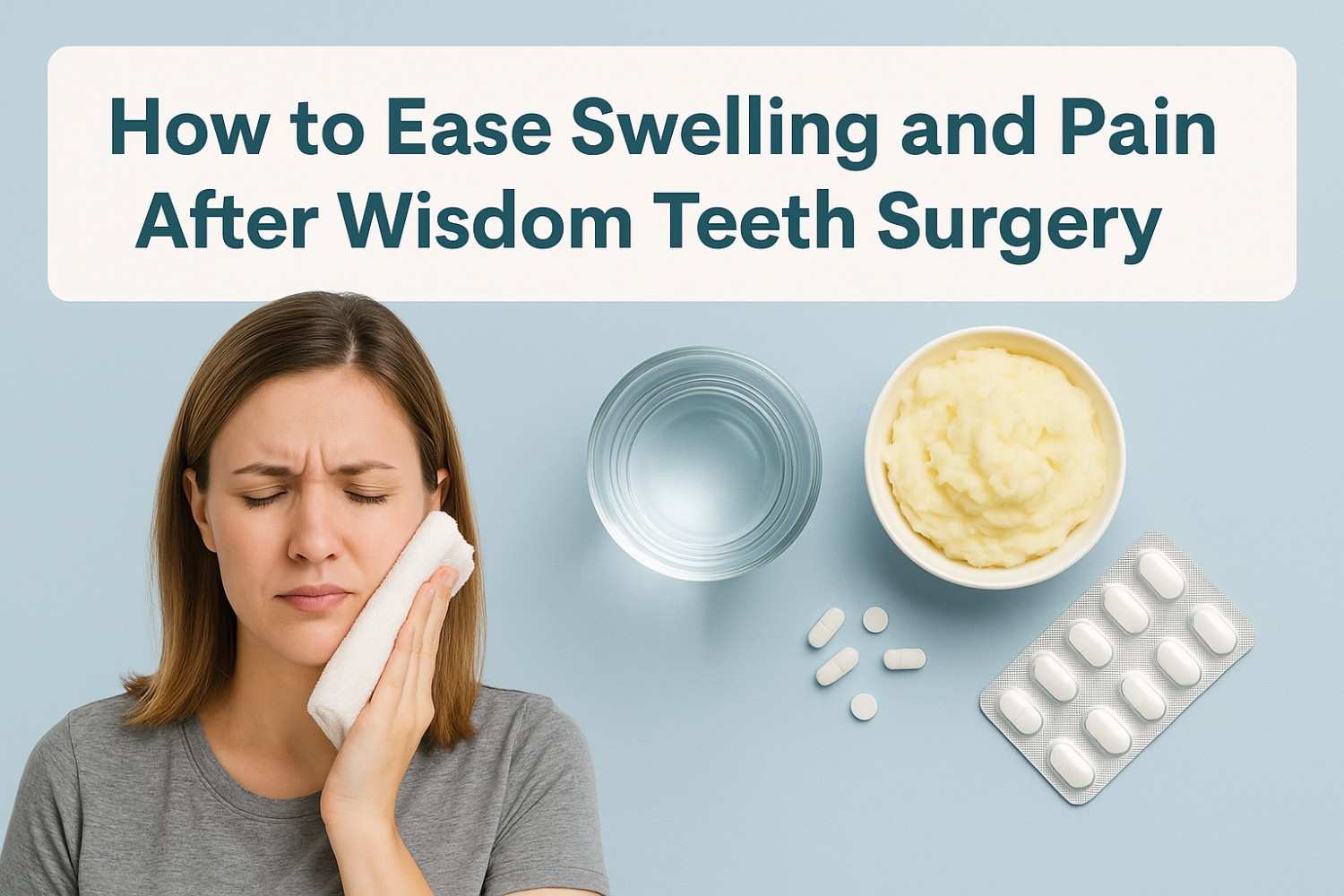
Wisdom teeth removal is a common procedure to maintain oral health, particularly when impacted teeth cause pain or crowding. However, recovery often involves discomfort such as swelling, soreness, and limited jaw movement. Properly managing these symptoms is essential for a smooth recovery. Whether you’re preparing for surgery or healing afterward, knowing how to ease pain and reduce swelling can make a big difference. Here are some effective tips to support your recovery after wisdom teeth surgery.
Apply Cold Compresses Early
Using cold compresses is one of the most effective ways to reduce swelling in the first 24 to 48 hours post-surgery. Applying an ice pack to the outside of your cheek for 15–20 minutes at a time can lessen inflammation and numb the area, providing pain relief. The cold constricts blood vessels, which helps minimize fluid buildup and swelling. For best results, start using a cold compress immediately after surgery and continue regularly for the first two days. Always wrap the ice pack in a clean cloth to avoid direct skin contact and prevent ice burns.

Elevate Your Head While Resting
Keeping your head elevated, especially when sleeping, helps reduce swelling by decreasing blood flow to the surgical area. For the first few nights after your procedure, use an extra pillow or rest in a recliner. Lying flat can increase pressure and throbbing pain, while gentle elevation promotes drainage and helps your body heal more efficiently. Many patients also find that propping their head up helps them breathe more comfortably, especially if they have nasal congestion after surgery.
Follow a Soft Food Diet
Chewing hard or crunchy foods after surgery can irritate the incision sites and disturb your stitches. For the first few days, stick to soft foods like yogurt, mashed potatoes, applesauce, scrambled eggs, and smoothies. Avoid using straws, as the suction can dislodge the protective blood clot in the socket and cause a painful condition known as a dry socket. It’s also wise to steer clear of hot or spicy foods, which can cause inflammation and discomfort. If you’re recovering from wisdom teeth surgery in Ogden, your oral surgeon may provide a list of recommended foods to support healing and minimize irritation.

Stay on Top of Medication and Pain Management
Your surgeon will likely recommend or prescribe pain medication to help you stay comfortable while you heal. It’s important to take these medications exactly as instructed to keep your pain under control. Anti-inflammatory medicines are particularly effective for reducing both discomfort and swelling. If you are prescribed antibiotics to prevent infection, be sure to complete the entire course, even if you start to feel better. Setting reminders can help you stay consistent with your doses, which is key for effective relief.
Rinse Gently with Warm Salt Water
After 24 hours, start rinsing your mouth with warm salt water several times a day. This practice keeps the extraction site clean and promotes faster healing. To prepare the rinse, mix half a teaspoon of salt into a glass of warm water and swish gently. Vigorous rinsing can disrupt the healing tissue, so be careful. This simple step helps prevent bacterial buildup and reduces the risk of infection while soothing the area. It’s a common practice for maintaining oral hygiene during the recovery phase.
Avoid Physical Strain and Smoking
Strenuous activity, heavy lifting, and exercise can increase your blood pressure and risk dislodging the blood clot, so it’s best to avoid them for the first few days. Prioritize rest and allow your body to heal. You should also avoid smoking, as it introduces harmful chemicals into your mouth, which can delay healing and increase the risk of complications. Even abstaining for a short time can significantly improve your recovery. The main goal is to keep the area clean and calm so the tissue can regenerate properly.

Listen to Your Body and Contact Your Provider if Needed
Recovery timelines vary, so listen to your body. While some swelling and mild discomfort are normal for up to a week, severe symptoms like intense pain, excessive bleeding, pus, or a high fever warrant a call to your dentist. If anything feels off, don’t hesitate to seek professional advice. Prompt care can prevent minor issues from becoming serious complications. Many providers offer follow-up support, so you won’t be left guessing during your recovery.
Conclusion
Recovering from wisdom teeth surgery doesn’t have to be difficult. With proper care—such as cold compresses, soft foods, gentle rinsing, and plenty of rest—you can effectively manage pain and swelling while supporting the healing process. Following these steps helps ensure a smooth recovery and a quick return to normal.