Now Reading: pH vs. Alkalinity: What’s in Your Water?
-
01
pH vs. Alkalinity: What’s in Your Water?

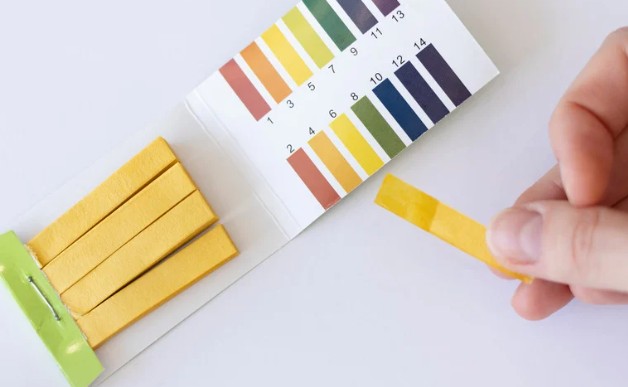
Have you ever thought about what’s really in the water you drink every day? Beyond just being wet, water has chemical properties that affect its taste, how it interacts with its environment, and even its impact on your health. Two of the most important, yet often confused, concepts are pH and alkalinity.
Understanding pH
When we talk about the pH of water, we’re measuring how acidic or basic (alkaline) it is. The term “pH” stands for “potential of Hydrogen” and refers to the concentration of hydrogen ions in a solution.
The pH Scale
The pH scale ranges from 0 to 14:
- A pH of 7 is neutral. Pure water sits right in the middle of the scale.
- A pH less than 7 is acidic. Substances like lemon juice (pH 2) and vinegar (pH 3) are acidic.
- A pH greater than 7 is basic, or alkaline. Baking soda (pH 9) and bleach (pH 13) are examples of basic substances.
It’s important to note that the scale is logarithmic. This means that each whole number change represents a tenfold difference in acidity. For example, water with a pH of 6 is ten times more acidic than water with a pH of 7, and water with a pH of 5 is one hundred times more acidic.
How pH Affects Water Quality
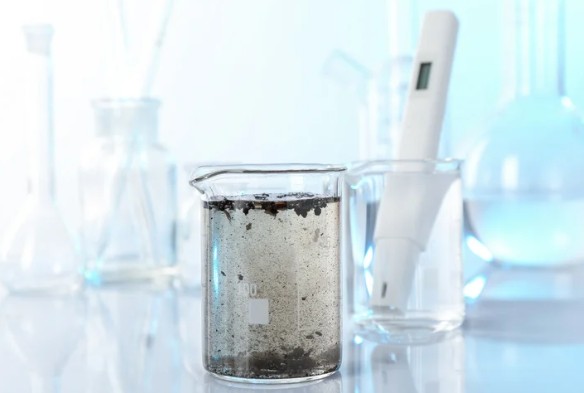
The pH level of water has a significant impact on its properties. Water that is too acidic or too alkaline can cause a range of problems.
- Acidic water (low pH): Can be corrosive, potentially leaching heavy metals like lead and copper from pipes into your drinking water. It might also have a sour or metallic taste.
- Alkaline water (high pH): Can lead to scale buildup (calcium and magnesium deposits) in pipes and appliances, reducing their efficiency and lifespan. It often has a slippery feel and a bitter taste.
For drinking water, the U.S. Environmental Protection Agency (EPA) recommends a pH between 6.5 and 8.5. This range helps prevent pipe corrosion and ensures the water is palatable.
Understanding Alkalinity
While pH measures the level of acidity, alkalinity measures the water’s capacity to resist changes in pH. It’s essentially the water’s buffering ability. Alkalinity comes from the presence of dissolved alkaline substances, primarily carbonate, bicarbonate, and hydroxide ions. These compounds neutralize acids that are introduced into the water, helping to keep the pH level stable.
Alkalinity is typically measured in milligrams per liter (mg/L) or parts per million (ppm) as calcium carbonate (CaCO₃). Water with high alkalinity can absorb significant amounts of acid without a major shift in its pH. Conversely, water with low alkalinity has poor buffering capacity, and its pH can fluctuate dramatically with even small additions of acid.
The Relationship Between pH and Alkalinity
It’s easy to see why pH and alkalinity are often confused. High alkalinity often results in a higher pH, as the buffering compounds are themselves alkaline. However, it’s possible to have water with a high pH but low alkalinity. The key difference is what they measure: pH is a snapshot of the current state, while alkalinity is the ability to maintain that state.
Think of it this way:
- pH is like the current temperature in a room.
- Alkalinity is like the room’s insulation.
A well-insulated room (high alkalinity) will maintain its temperature (pH) even when a window is opened on a cold day (acid is introduced). A room with no insulation (low alkalinity) will get cold very quickly.
For water quality, both are crucial. A stable pH is vital for many processes, from chemical treatments in a water plant to the survival of fish in a lake. Alkalinity provides that stability. For example, in swimming pools, maintaining proper alkalinity is the first step to balancing the water, as it prevents wild swings in pH that can render chlorine ineffective and irritate swimmers’ skin and eyes.
Health and Environmental Implications

The balance of pH and alkalinity in water has wide-reaching effects on both our health and the environment.
Effects on Human Health
For drinking water, extremely high or low pH levels can be a concern. Highly acidic water can contribute to the leaching of toxic metals from plumbing, which poses health risks if consumed over time. Very high pH water can cause skin irritation.
However, within the typical range for drinking water, the direct health impact of pH itself is minimal. The bigger concern is what the pH level indicates about other potential contaminants.
The conversation around “alkaline water” as a health product is ongoing, but most health professionals agree that the body’s internal pH is tightly regulated and not significantly influenced by the pH of the water you drink.
Impact on Aquatic Life
In nature, pH and alkalinity are critical for aquatic ecosystems. Most fish and other aquatic organisms have a narrow pH range in which they can survive, typically between 6.5 and 9.0. Low pH can harm fish gills and interfere with reproduction.
Alkalinity is the environment’s defense mechanism against acid rain. A lake with high alkalinity can neutralize acidic rainwater, protecting its inhabitants.
However, a lake with low alkalinity has no such buffer, and a sudden influx of acid rain can cause the pH to plummet, leading to fish kills and a sterile aquatic environment.
Testing and Adjusting Your Water
If you’re concerned about your water’s pH and alkalinity, testing it is a straightforward process.
- Testing Methods: Simple test strips are widely available and can give you a quick reading for both pH and alkalinity. For more precise measurements, digital meters or liquid reagent test kits are available at home improvement stores or online.
- Adjusting Levels: For home use, adjusting pH and alkalinity is most common for pools, spas, and aquariums. In cases of extremely acidic well water, a neutralizing filter containing calcite or magnesium oxide can be installed to raise both pH and alkalinity. This is especially important in areas with naturally soft water, like the concern over soft water in Utah. For municipal water supplies, treatment plants carefully manage these levels before the water ever reaches your tap.
Conclusion
Understanding the distinction between pH and alkalinity is the first step toward managing water quality effectively. While pH gives you a snapshot of your water’s acidity, alkalinity tells you how stable that pH is likely to be. Together, they provide a more complete picture of your water’s chemical makeup.