Now Reading: Restoring Comfort and Mobility Through Expert Care
-
01
Restoring Comfort and Mobility Through Expert Care


Most of us take our feet for granted until the very moment they start to hurt. We expect them to carry us through long shifts at work, grocery runs, morning jogs, and weekend adventures without complaint. Yet, the human foot is a complex mechanical marvel—containing 26 bones, 33 joints, and over 100 muscles, tendons, and ligaments—that bears the brunt of our daily lives.
When that foundation is compromised, whether by injury, structural issues, or persistent infections, the impact is immediate. Mobility decreases, comfort vanishes, and our overall quality of life takes a significant hit. Ignoring foot pain or “pushing through it” is a common reaction, but it often exacerbates the underlying problem. Restoring your mobility isn’t just about easing pain; it is about reclaiming the freedom to move through the world with confidence.
The Foundation of Movement
Your feet are the body’s shock absorbers. With every step, they manage forces far exceeding your body weight. When function is impaired in the feet, the effects ripple upward. A limp caused by a painful toe can eventually manifest as knee strain, hip misalignment, or lower back pain.
This connection highlights why expert care is so critical. Podiatrists and foot care specialists view the foot not as an isolated appendage, but as a critical component of the entire musculoskeletal system. Expert care goes beyond symptom management; it seeks to correct the biomechanical failures or infections that prevent you from walking naturally.
Hidden Barriers to Mobility

While traumatic injuries like sprains or fractures are obvious reasons to see a doctor, the insidious, slow-moving conditions often cause the most long-term damage to our mobility. Conditions like plantar fasciitis, bunions, and hammertoes develop over time, gradually changing how we walk and stand.
One of the most overlooked barriers to comfort is fungal infection. Often dismissed as a merely cosmetic issue, nail fungus (onychomycosis) can lead to thickened, distorted nails that press painfully against the inside of shoes. This pressure can make wearing standard footwear agonizing and walking difficult.
Furthermore, for individuals with diabetes or compromised immune systems, these infections pose a serious health risk, potentially leading to ulcers or secondary bacterial infections. What starts as a yellow spot on a nail can eventually limit a person’s ability to exercise or even walk comfortably around their own home.
The Limits of At-Home Care
We live in an era of DIY solutions, and the pharmacy aisle is packed with creams, lacquers, and pads promising to fix foot ailments. While some minor issues can be managed at home, persistent pain or infection requires a higher level of intervention.
Over-the-counter remedies often fail because they cannot penetrate the nail bed effectively or address the root cause of structural pain. You might spend months applying a topical solution with no visible improvement, all while the condition worsens. This cycle of trial and error is frustrating and expensive.
This is where professional assessment changes the trajectory of recovery. A specialist can accurately diagnose whether foot pain is nerve-related, structural, or infectious. For example, if you are looking for effective toenail fungus treatment in Orem, a specialist can offer advanced options—such as oral medications or laser therapy—that are simply not available in a drugstore. These professional-grade treatments target the source of the problem, drastically reducing recovery time.
What to Expect From Expert Care
Visiting a foot care specialist is about more than just a diagnosis; it is about developing a roadmap to recovery.
Comprehensive Evaluation
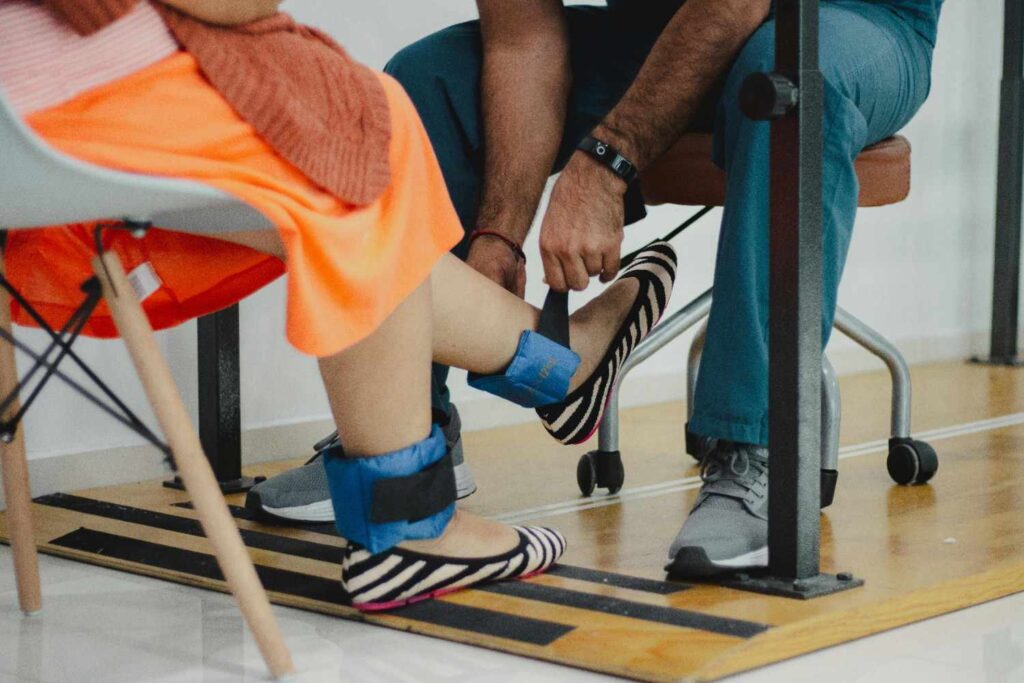
A professional evaluation looks at the whole picture. Your provider will examine your gait (how you walk), your footwear, and your medical history. They understand that a recurring corn might be caused by a bone spur, or that heel pain might be linked to tight calf muscles.
Advanced Technology
Modern podiatry utilizes technology to restore health faster. From custom orthotics that realign the foot to laser treatments that eradicate fungus without damaging surrounding tissue, medical advancements have made foot care less invasive and more effective.
Prevention and Maintenance
Restoring mobility is the first goal; maintaining it is the second. Expert care includes education on how to prevent recurrence. This might involve recommendations for proper footwear, stretching exercises, or hygiene practices that protect the skin and nails from future infection.
Stepping Forward with Confidence
Living with foot pain or embarrassment about the appearance of your feet is not a life sentence. The hesitation to seek help is often the biggest hurdle. Whether it is a sharp pain in the heel or a stubborn infection that won’t go away, these are signals that your body needs support.
By prioritizing foot health, you are prioritizing your independence. You are ensuring that you can chase after your kids, hike your favorite trail, or simply stand at work without gritting your teeth.
Don’t let foot issues shrink your world. If you are struggling with pain or infection, seek out a professional who can provide the targeted care you deserve. With the right treatment plan, you can step back into your life with comfort and ease.