
Can tooth pain be stopped permanently in seconds? Can you kill tooth pain nerve in 3 seconds permanently? It’s a question many of us ask when faced with the sudden, intense discomfort of a toothache. The internet is full of promises that claim you can kill tooth nerve pain in 3 seconds, offering instant relief from one of the most excruciating sensations you can experience. While the idea sounds tempting, the reality is far more complex.
Tooth nerve pain often strikes unexpectedly, leaving you desperately searching for a quick fix. Unfortunately, there is no safe, instant way to permanently eliminate this kind of pain at home. The truth is, while there are methods to numb the pain temporarily, lasting relief requires professional dental care. In this blog, we’ll break down what causes tooth nerve pain, why the myth of instant pain relief doesn’t work, and what you can do to manage the discomfort until you can see a dentist for proper treatment.
Can You Really Stop Tooth Pain in Just 3 Seconds?
The idea of stopping tooth pain in a matter of seconds sounds tempting, especially when you’re in unbearable discomfort. The internet is full of claims promising that nerve pain can be killed instantly using various home remedies. However, the reality is far from what these viral “quick fix” videos suggest.

Tooth nerve pain occurs when the nerve inside your tooth is irritated or infected. Unfortunately, no home remedy can instantly eliminate this pain in a permanent way. While you can numb the pain temporarily using certain methods, the nerve itself will still be there, causing the pain to return once the effect of the remedy wears off.
Debunking the Myth: Instant Tooth Nerve Pain Relief
There’s no legitimate medical method that can permanently stop tooth nerve pain in just a few seconds. The pain you’re feeling is typically the result of an inflamed or infected dental pulp, the soft tissue at the core of your tooth that houses the nerve. This pulp is deeply embedded in the tooth, surrounded by enamel and dentin, two of the hardest materials in the body.
The idea that a topical treatment could instantly reach and kill the nerve is simply not possible. While some substances may provide temporary numbing effects, they do not address the root cause of the pain and certainly don’t offer permanent relief.
What Happens When You Try to Kill a Tooth Nerve at Home?
When you attempt to “kill” a tooth nerve at home, you’re likely doing more harm than good. Many people try methods like applying clove oil, using ice, or even experimenting with other home remedies in the hope of immediate relief. While some of these remedies may numb the pain for a short period, they can’t reach the nerve deep within the tooth.
-
Clove oil: Clove oil contains eugenol, a natural anesthetic that can temporarily numb the pain. However, it only masks the symptoms and doesn’t address the infection or inflammation causing the pain.
-
Ice compresses: Applying an ice pack to the cheek near the affected tooth can reduce swelling and numb the area, but it won’t eliminate the root cause of the pain.
-
Alcohol or homemade solutions: Some people experiment with alcohol or other chemicals in an attempt to kill the nerve. These substances can cause severe burns or damage to the gums and surrounding tissue, which could make the problem worse.
These temporary fixes might provide a bit of comfort, but they’re not a permanent solution. In fact, delaying professional care while using such methods can lead to more severe complications, including the spread of infection.
Why Professional Care Is the Only Way to Permanently Stop Tooth Pain
To truly eliminate tooth nerve pain, professional dental treatment is necessary. Only a dentist can remove or treat the inflamed or infected nerve safely. Some of the professional treatments that can provide lasting relief include:
Root Canal Therapy: The Best Way to Eliminate Tooth Nerve Pain Permanently
Root canal therapy is the gold standard for treating nerve pain caused by an infected or inflamed pulp. During a root canal, the dentist removes the damaged pulp, cleans and disinfects the inside of the tooth, and seals it to prevent further infection. This procedure not only eliminates the pain but also preserves the tooth structure.
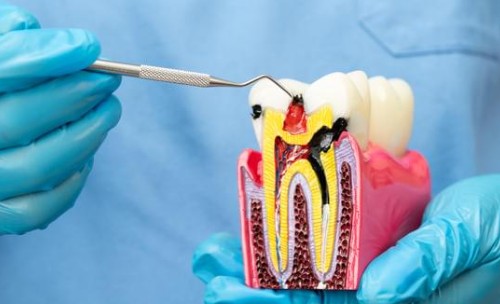
Root canal therapy is highly effective, with a success rate exceeding 95%. After the procedure, patients often experience immediate relief, with complete healing occurring within a couple of weeks. The tooth remains functional, and the pain is permanently stopped.
Tooth Extraction: When It’s the Only Option for Severe Nerve Damage
In some cases, when the tooth is severely damaged beyond repair, extraction may be necessary. If the tooth cannot be saved due to deep decay or trauma, the dentist will remove the entire tooth, including the nerve. While tooth extraction may sound extreme, it’s often the only option when the tooth is beyond saving.
Once the tooth is removed, the pain stops immediately, but the gap left behind may need to be filled with an implant, bridge, or denture. Tooth extraction provides permanent relief when root canal therapy isn’t possible.
Restorative Procedures: Protecting the Tooth and Nerve
If the nerve is exposed or at risk of further damage, restorative procedures like dental fillings or crowns can help. These treatments protect the nerve from infection and prevent the tooth from deteriorating further. By covering and sealing the affected area, these procedures help preserve the nerve and keep the tooth functional.
Why Clove Oil, Saltwater, and Ice Aren’t Permanent Solutions
While clove oil, saltwater rinses, and ice packs can offer temporary relief, they don’t address the underlying cause of the pain. These remedies can help numb the pain for a short period, but they don’t solve the problem. The nerve remains inflamed or infected, and the pain is bound to return once the numbing effect wears off.
-
Clove oil may numb the pain, but it doesn’t treat the infection or inflammation.
-
Ice compresses may reduce swelling, but they don’t fix the underlying issue.
-
Saltwater rinses can help clean the area and reduce infection-related discomfort, but they aren’t enough to address severe tooth nerve pain.
While these methods are safe for temporary symptom management, they should not be considered substitutes for professional dental care.
What Professional Treatments Actually Eliminate Tooth Nerve Pain?
To permanently eliminate tooth nerve pain, the following professional treatments are required:
Root Canal Therapy
As mentioned earlier, a root canal is the most effective way to address severe tooth nerve pain. It removes the infected pulp and saves the tooth from further damage. Root canal therapy is the only procedure that directly targets the nerve inside the tooth and provides lasting relief.
Tooth Extraction
When a tooth is beyond saving, tooth extraction removes the source of the pain by taking out the entire tooth. This treatment provides immediate relief from nerve pain but requires replacement with an implant or bridge to restore function.
Desensitizing Treatments
For less severe cases, desensitizing treatments can be used to reduce nerve exposure and alleviate sensitivity. These treatments coat the tooth and provide temporary relief but don’t address deeper issues like infections.
Dental Crowns
Dental crowns protect a weakened tooth and prevent further nerve exposure. Crowns can be used after root canals or restorative treatments to maintain tooth integrity and prevent additional nerve irritation.
Signs You Need Immediate Dental Care for Tooth Nerve Pain
If your tooth pain lasts longer than 24 hours or worsens with swelling, fever, or difficulty swallowing, it’s time to seek immediate dental care. These symptoms may indicate that the infection is spreading, which could lead to more severe complications, including abscesses or tooth loss.
Here are some warning signs that require urgent dental attention:
-
Severe, persistent pain that doesn’t improve with over-the-counter painkillers
-
Swelling around the gum line or face
-
Fever or difficulty swallowing
-
Visible cracks or fractures in the tooth
If you experience any of these symptoms, don’t wait—schedule an appointment with a dentist immediately to prevent further damage.
How a Dentist Diagnoses and Treats Tooth Nerve Pain
When you visit the dentist for tooth nerve pain, they’ll start by conducting a thorough examination. This may include taking digital X-rays to assess the extent of the damage. The dentist will then diagnose the cause of the pain, whether it’s from a cavity, infection, or trauma, and recommend the appropriate treatment.
For mild cases, a filling or crown may suffice. For more severe issues, the dentist may recommend a root canal or extraction. In any case, professional dental treatment is the best way to resolve nerve pain and prevent future complications.
Myths vs. Reality: Can Tooth Pain Be Stopped Instantly?
While the internet is full of quick-fix solutions for tooth pain, the reality is that tooth nerve pain cannot be stopped permanently in seconds. Professional care is essential to address the root cause of the pain. Whether through root canals, extractions, or restorative procedures, only a dentist can provide lasting relief and ensure that the pain doesn’t return.
Conclusion
Tooth nerve pain can be unbearable, but it’s important to know that instant relief isn’t possible with home remedies. Quick fixes like clove oil or ice may provide temporary relief, but the pain will return unless the underlying cause is treated.
Professional dental care, such as root canal therapy or tooth extraction, is the only way to eliminate tooth nerve pain permanently. If you’re experiencing persistent or severe tooth pain, don’t hesitate—seek professional care from a qualified dentist. Your long-term comfort and oral health depend on it.